Conservative activist and Turning Point USA founder Charlie Kirk was fatally shot during a student event at Utah Valley University on September 10, 2025, prompting a nationwide investigation.
Kirk, 31, was speaking at an outdoor campus gathering shortly after noon when gunfire erupted. The FBI determined the suspected gunman had positioned himself on a nearby building’s rooftop overlooking the event area.
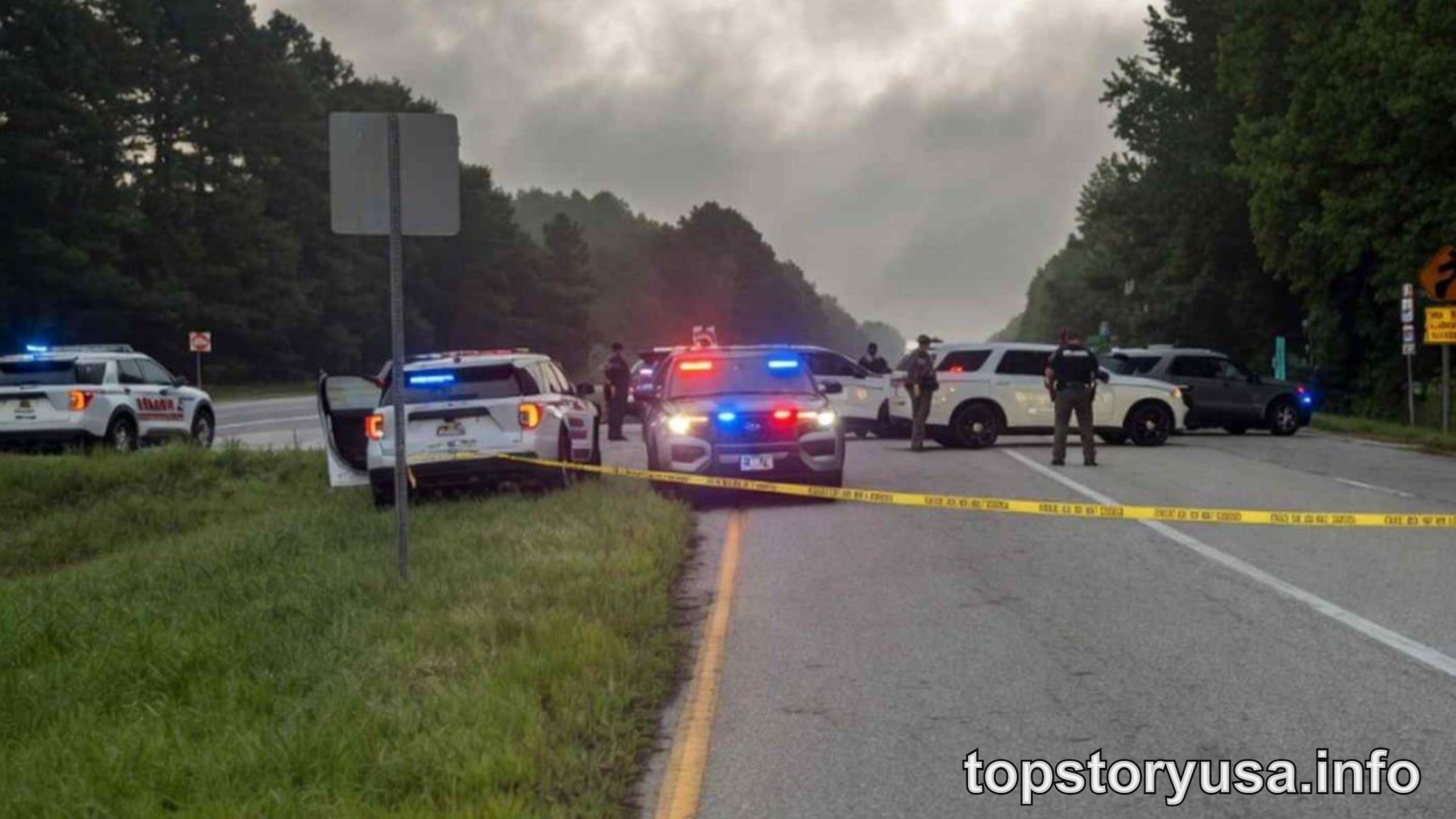
Kirk was transported to a local hospital, where he was pronounced dead. The campus transformed into a secured crime scene as attendees fled or sought shelter while law enforcement officers arrived.
What Happened
Authorities recovered a high-powered bolt-action rifle from a wooded area where investigators believe the gunman fled. Forensic evidence collected from the rooftop included footwear impressions, a palm print and forearm impressions.
The FBI launched an extensive public appeal for photographs, videos and information to identify the suspect. The bureau announced a $100,000 reward for details leading to identification and arrest.
About 33 hours after the shooting, authorities announced they had taken a suspect into custody. FBI Director Kash Patel said investigators had received thousands of tips and indicated the investigation would continue as authorities worked to establish the full circumstances.
The Response
Political leaders across the spectrum condemned the shooting and renewed concerns about political violence at high-profile public events. Kirk’s death prompted immediate national response as his family and supporters began mourning.
As Turning Point USA’s founder, Kirk had become one of the country’s most prominent conservative activists, particularly among young Americans. He frequently appeared on college campuses participating in political debates and discussions about free speech, elections and contemporary issues.
What This Means
Kirk’s killing has become part of a broader national debate over political violence and public safety. The case has deeply affected the Utah Valley University community and sparked national conversations about security at public political gatherings.