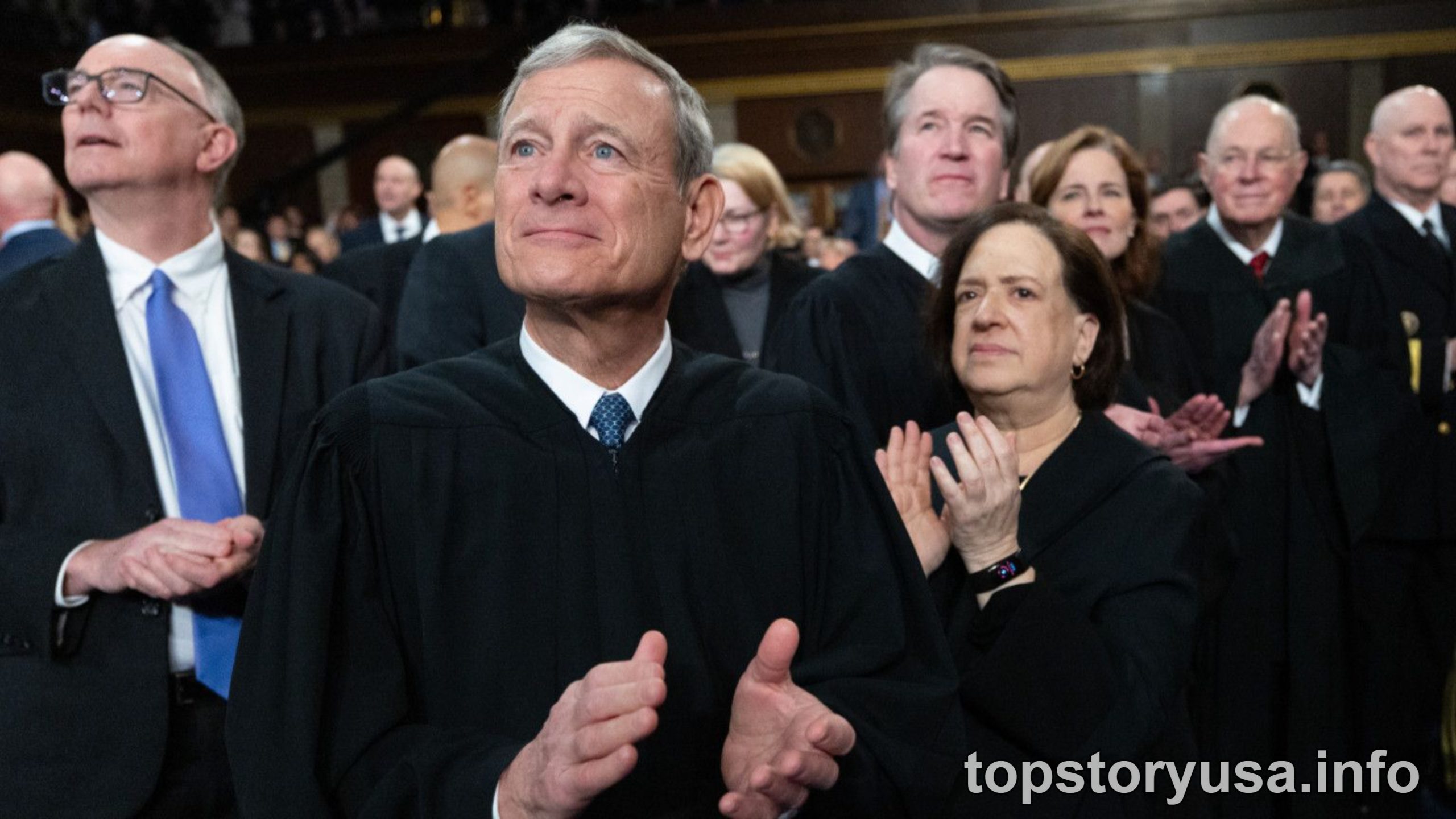
The U.S. Supreme Court agreed Monday to hear arguments in a Colorado case that could determine whether cities and counties can sue energy producers over climate change damages using state nuisance laws.
The justices announced they will hear oral arguments in Suncor v. Boulder County Commissioners on October 5, marking a significant test of state authority versus federal power. The case centers on whether local governments can extract damages from oil and gas companies for their alleged contribution to global emissions.
The Legal Question at Stake
Boulder County officials claim state law permits them to seek compensation from energy firms for local harms caused by worldwide emissions. “There is no constitutional bar to states addressing in-state harms caused by out-of-state conduct, be it the negligent design of an automobile or sale of asbestos,” lawyers for Boulder County wrote in court filings.
Energy companies counter that the Clean Air Act already regulates cross-border emissions and that such lawsuits would circumvent federal authority. “Seeking injury in the form of physical harms allegedly caused by global emissions is just an indirect method of regulating interstate and international emissions,” lawyers for the oil company argued.
Constitutional Concerns on the Right
Legal scholars on the conservative side worry the decision could empower progressive states to reshape national energy policy through litigation. Michael Greve, a law professor at George Mason University, said courts must establish clear constitutional limits rather than defer to Congress. “You cannot wait for Congress to come around and organize this universe,” Greve said.
O.H. Skinner, executive director of the Alliance for Consumers, warned that allowing such suits would create a patchwork of conflicting state regulations. He cautioned that progressive officials would continue returning to courts to impose energy policies nationwide through lawsuits.
Broader Policy Implications
A ruling in favor of local governments could expose energy producers to liability from multiple jurisdictions simultaneously, potentially raising costs for consumers. Legal experts predict the decision will shape how states can regulate industries traditionally governed at the federal level.
The Supreme Court is expected to issue a decision by June 2027 following the October 5 oral arguments.