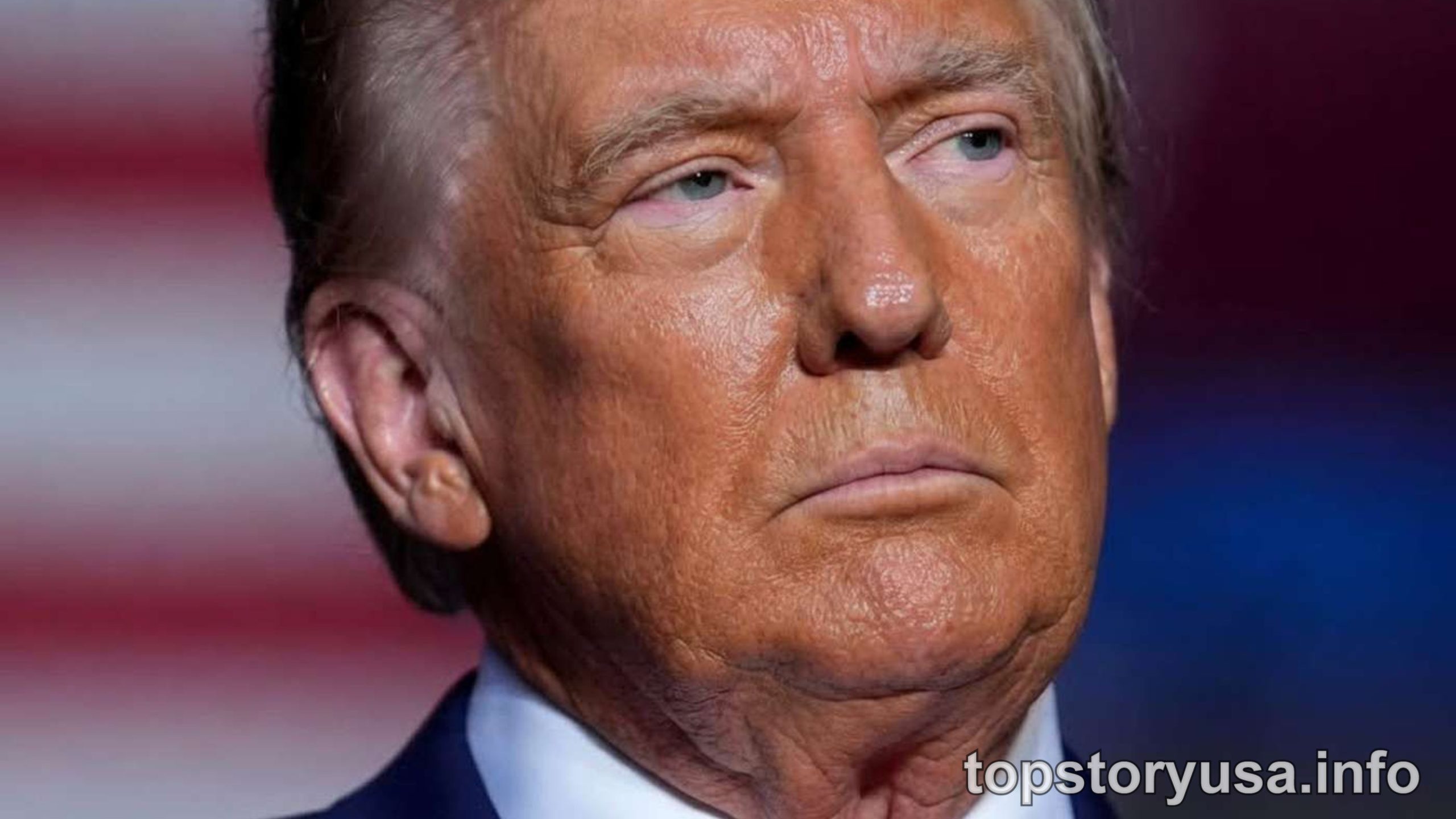
Federal prosecutors have filed charges against former President Donald Trump, accusing him of conspiracy to defraud the United States, obstructing an official proceeding, and violating constitutionally protected rights.
The indictment represents the government’s assertion that Trump engaged in deliberate actions with significant consequences for the governmental system. Investigators characterize the conduct as systematic rather than isolated political disagreements.
The Charges
Prosecutors outlined three primary charges against the former president. The conspiracy to defraud the United States charge alleges Trump knowingly engaged in a scheme to undermine federal functions.
The obstruction charge focuses on efforts to impede an official proceeding. The third charge concerns alleged interference with constitutionally protected activities.
Trump’s Defense Strategy
Trump’s legal team has indicated it will contest each charge aggressively. “The prosecution represents an attempt to criminalize political speech,” attorneys for the former president said, warning it could establish precedent affecting future administrations.
The defense strategy centers on arguing the government has overreached its authority in translating political conduct into criminal liability. Legal experts anticipate the case will address fundamental questions about the boundaries between political activity and criminal conduct.
What This Means
The charges mark a significant moment in American jurisprudence regarding presidential accountability. The outcome will likely establish parameters for how the justice system addresses alleged misconduct by sitting or former chief executives.
Legal observers note the case will substantially impact public understanding of presidential power and constitutional limits. The proceedings will determine precedent for future cases involving high-level government officials.