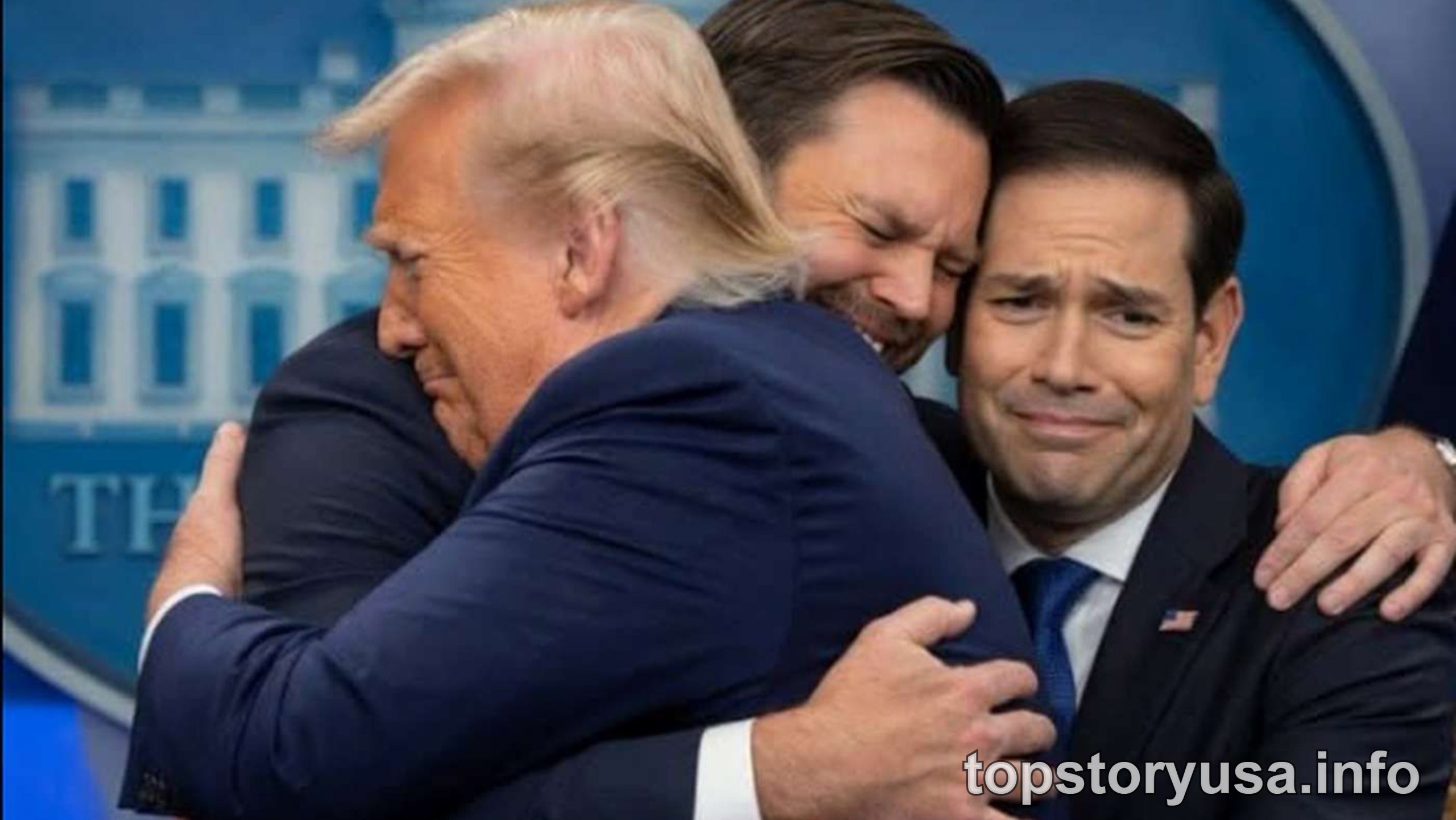
Federal prosecutors have charged former President Donald Trump with orchestrating a coordinated effort to reverse the 2020 election results and obstruct the transfer of power.
The indictment alleges conspiracy to defraud the United States, obstruction of an official proceeding, and conspiracy against voter rights. Prosecutors argue the conduct constituted an organized attempt to interfere with government functions and election certification, raising fundamental questions about presidential authority and political speech protections.
The Charges and Defense
Trump has denied all wrongdoing and maintains his actions were lawful advocacy protected by the First Amendment. “His attorneys argue that the case represents an improper use of the justice system for political purposes,” according to court filings, contending that public statements, legal challenges, and advocacy efforts remain constitutionally protected activities.
Legal analysts say courts must determine where protected political expression ends and criminal liability begins. The case touches on core constitutional tensions regarding the scope of presidential conduct during contested elections.
National Implications
The prosecution’s supporters view the trial as essential accountability for high-ranking officials, while critics warn it could establish precedent for criminalizing political disputes. Pretrial motions and potential appeals continue to draw intense national scrutiny.
Legal experts believe the ruling will define boundaries of presidential conduct during election challenges and influence how future administrations navigate post-election disputes. The outcome carries significant implications for separation of powers and the intersection of politics and criminal law.