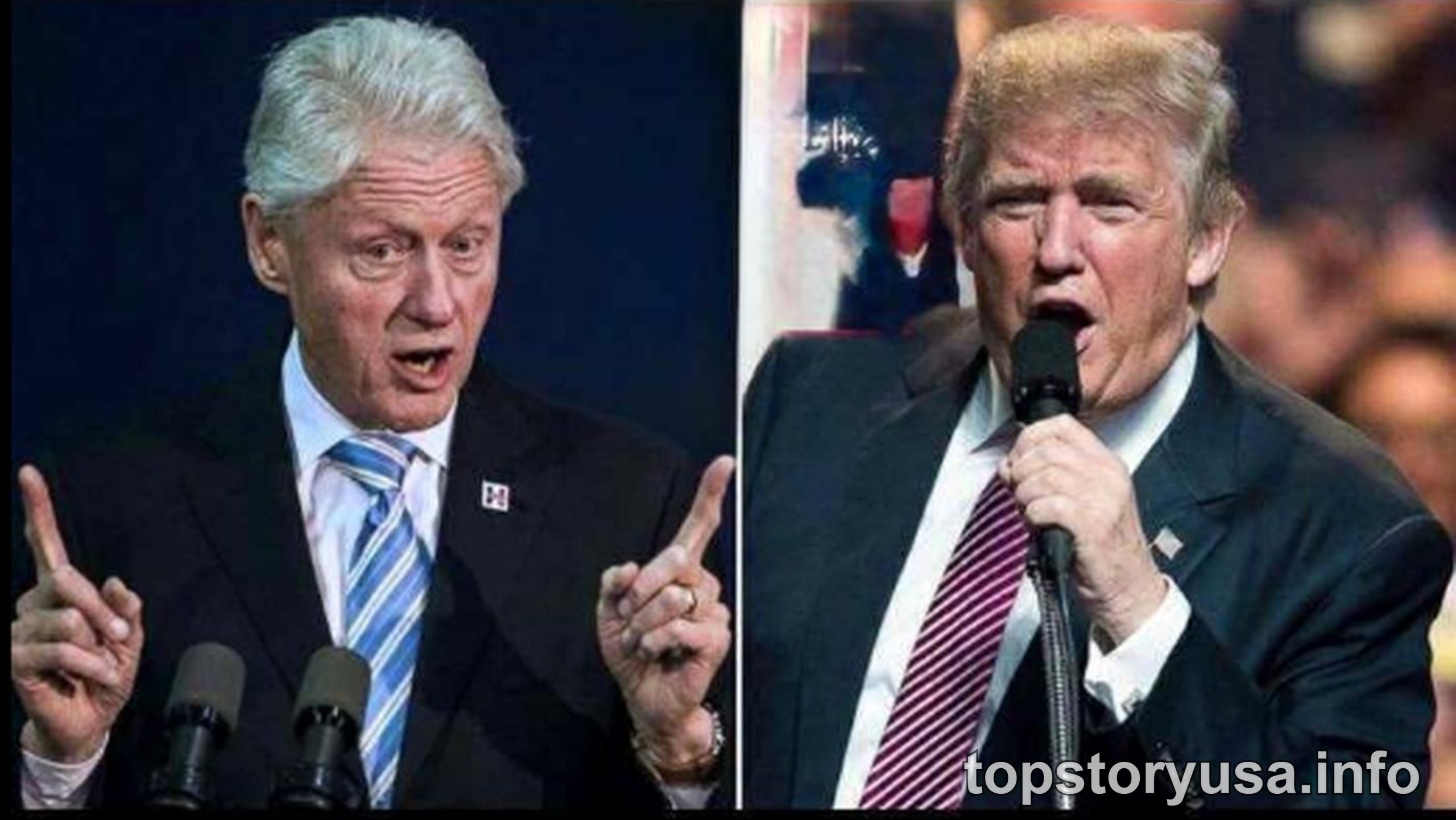
Former Secretary of State Hillary Clinton warned Monday that political leaders must face accountability for their rhetoric and actions, amid escalating U.S.-Iran tensions following failed diplomatic talks.
Clinton made the remarks during a media interview as negotiations over Iran’s nuclear program broke down over the weekend. Vice President JD Vance returned from discussions in Pakistan without securing an agreement, leaving the diplomatic effort stalled.
What Clinton Said
“Words, especially from an American president, have real consequences,” Clinton said, arguing that leaders must answer for both their statements and conduct. She emphasized that public trust depends on the tone and behavior of those in power.
Clinton characterized recent presidential rhetoric as damaging to U.S. credibility internationally. She said the failed talks have positioned the United States at a strategic disadvantage in its standoff with Iran.
“I worry that the United States is now in a very weak position vis-à-vis Iran,” Clinton said, noting that Washington has “lost the leverage and initiative” it once held in negotiations.
Mixed Assessment of Military Action
Clinton offered qualified support for earlier military strikes. “I supported Trump bombing the nuclear sites back in June,” she said. “I thought that was an appropriate and limited strategic objective.”
However, she criticized subsequent military actions as incoherent and lacking a defined long-term strategy. Clinton called for returning to structured diplomacy led by nuclear experts and experienced negotiators.
The Trump administration responded with sharp criticism, defending its approach and attacking Clinton’s foreign policy record. A White House spokesperson rejected her assessment, arguing that prior policies under the Obama administration allowed Iran to expand its capabilities.
Escalating Military Pressure
The Trump administration has intensified military and economic pressure on Iran. The president ordered a naval blockade of Iranian ports in the Strait of Hormuz, a critical global shipping route.
U.S. Central Command warned that unauthorized vessels entering the zone could be intercepted or seized. The blockade represents a significant escalation in direct military action against Tehran.
Clinton referenced her past dealings with Israeli leadership, including Prime Minister Benjamin Netanyahu, discussing longstanding disagreements over confronting Iran. She said U.S. leaders have historically resisted open-ended military action without defined objectives.