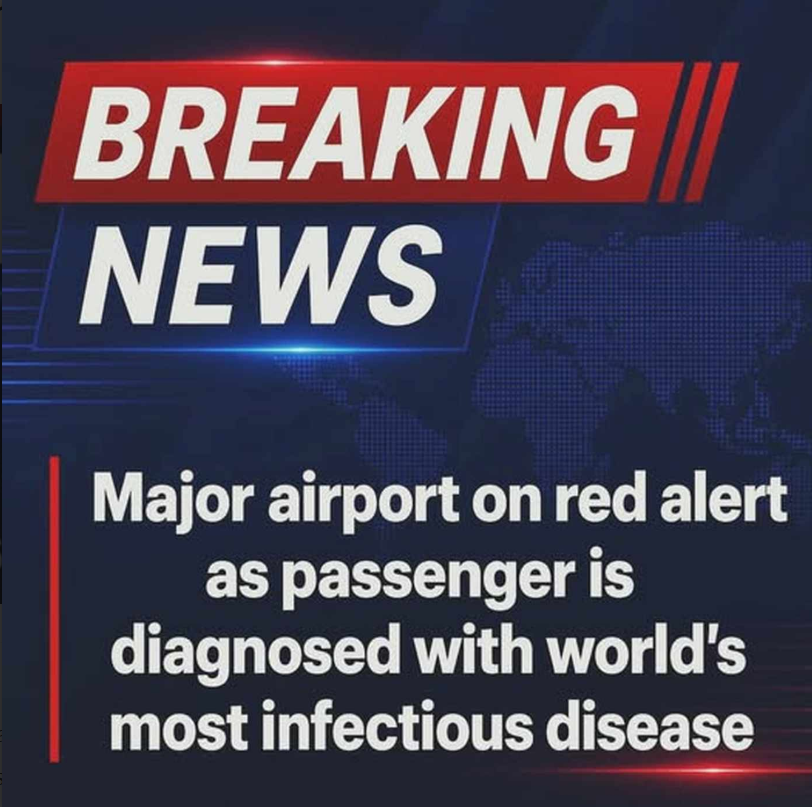
Illinois health authorities issued an alert after a confirmed measles case was linked to Chicago’s O’Hare International Airport, one of the busiest travel hubs in the United States.
The infected individual spent time in Terminal 1 on April 22 and April 23, with potential exposure occurring between 10 a.m. and 8 p.m. on those dates. Officials warned that measles spreads through respiratory droplets and can remain airborne in enclosed spaces for up to two hours.
What Happened
The confirmed patient had received one dose of the MMR vaccine, which provides partial immunity but not complete protection against measles. Symptoms began with fever and respiratory signs before a distinctive rash appeared on April 25, leading to diagnosis through laboratory testing.
The individual is currently isolating at home to prevent further transmission. A second measles case was subsequently reported in the same Illinois county, though officials have not yet determined if the cases are connected.
Contact Tracing Efforts
Health department teams are working to identify individuals who may have been exposed during the specified timeframe at O’Hare’s Terminal 1. The high volume of daily passengers presents a significant challenge to contact tracing operations.
Authorities are urging anyone present in the terminal during the exposure window to monitor their health for up to 21 days, the typical incubation period for measles. Early symptoms include high fever, cough, runny nose, and eye irritation.
Public Health Response
Officials emphasized that vaccination remains the most effective prevention method, with two doses of the MMR vaccine providing approximately 97 percent protection against measles. Individuals uncertain about their vaccination status should consult healthcare providers or review medical records.
Healthcare facilities have been advised to remain vigilant for suspected cases and report them immediately to local health departments. Individuals who suspect exposure are encouraged to contact medical providers before visiting facilities in person to allow for proper infection control measures.
This story has been updated. CNN’s Health and Science team contributed to this report.