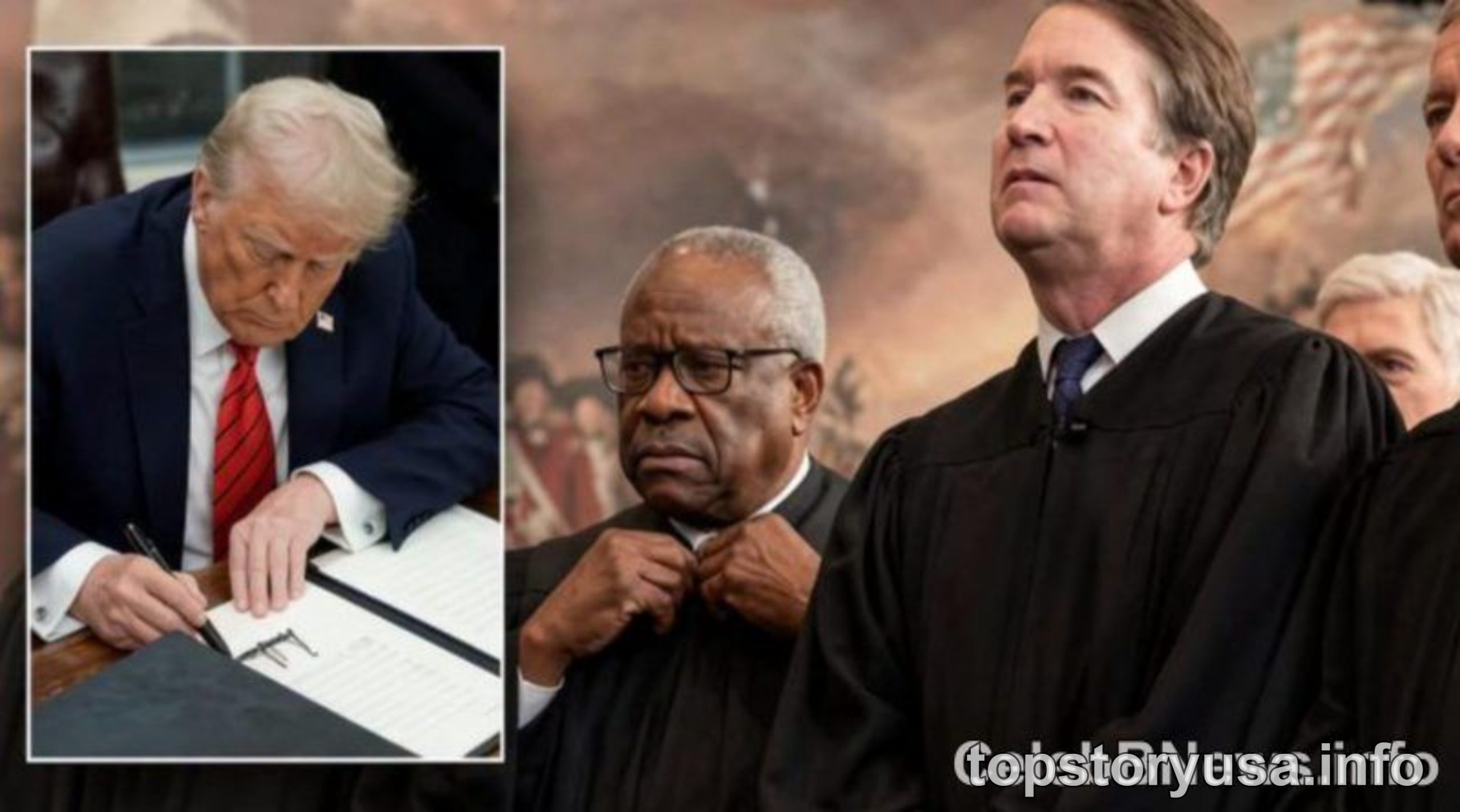
Justice Clarence Thomas, joined by Samuel Alito, issued a forceful dissent after the Supreme Court declined to hear Florida’s lawsuit challenging commercial driver’s licensing practices in Washington and California.
The dispute centered on whether the nation’s highest court had a constitutional duty to hear cases between states. Thomas argued that the Supreme Court serves as the exclusive judicial forum for such disputes and therefore cannot reject them based on discretionary grounds.
What Thomas Argued
“The Court has ‘no more right to decline the exercise of jurisdiction which is given, than to usurp that which is not given,'” Thomas wrote in his dissent. He contended that disputes between states hold different constitutional weight than ordinary appeals before the Court.
“If this Court does not exercise jurisdiction over a controversy between two States, then the complaining State has no judicial forum in which to seek relief,” Thomas added. He emphasized that states lack alternative legal avenues when conflicts arise between them.
The Core Dispute
Florida alleged that Washington and California violated federal law by issuing commercial driver’s licenses without verifying English language proficiency and immigration status. The state cited federal regulations requiring applicants to pass driver’s tests, demonstrate sufficient English comprehension, and establish proper immigration documentation.
Florida pointed to a fatal highway crash involving a commercial truck driver as evidence of public safety concerns. The state maintained that the licensing violations created dangerous conditions on roadways.
The Court’s Decision
A seven-justice majority determined the case fell outside the Supreme Court’s original jurisdiction, effectively rejecting Florida’s request for review. The decision left the state without a federal judicial remedy for its claims.
Thomas’s dissent reflected broader concerns about the Court’s willingness to hear disputes between states, an area traditionally considered part of its core constitutional responsibilities.
This story has been updated. CNN’s Legal Team contributed to this report.