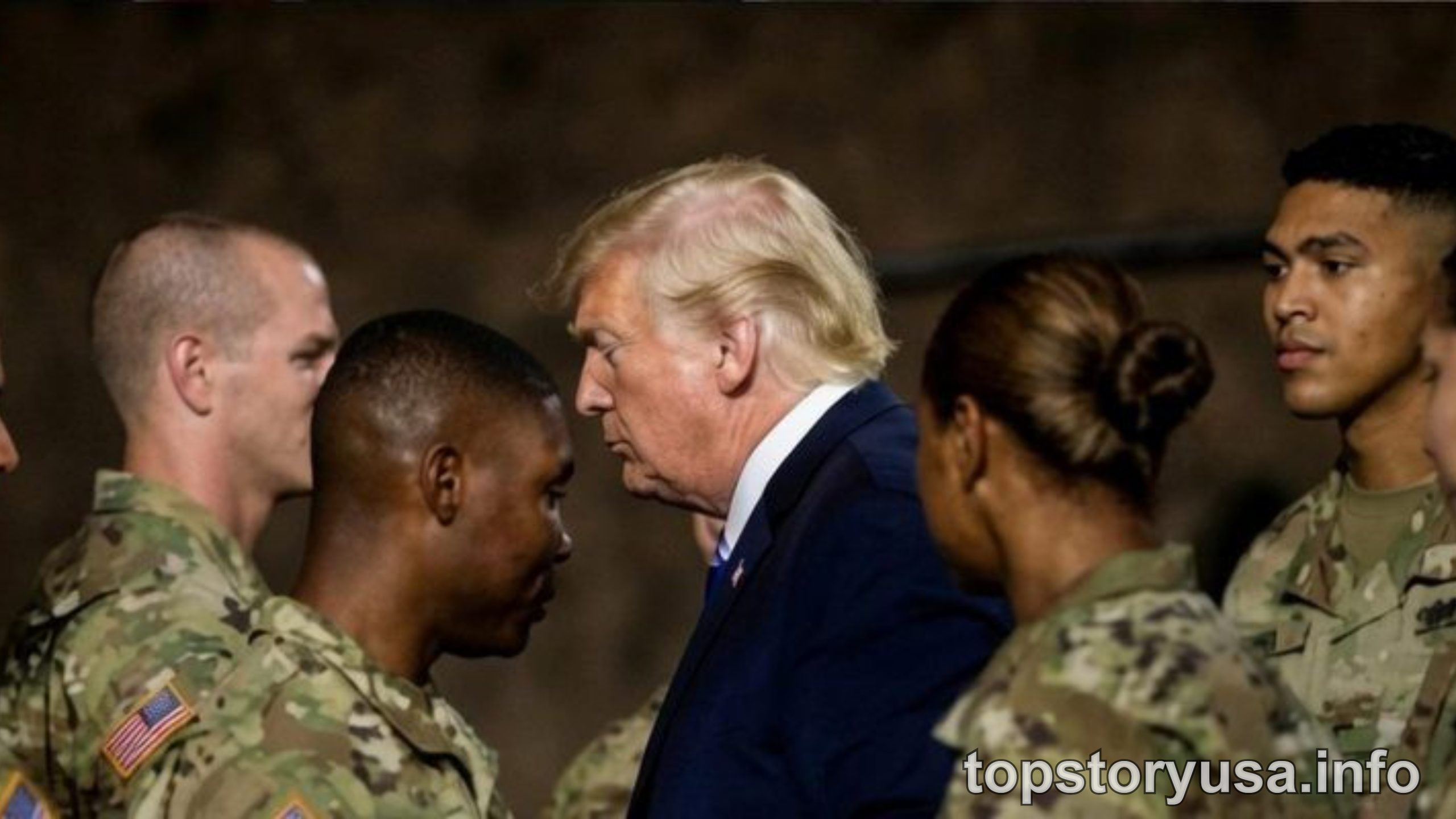
Unconfirmed reports of military personnel refusing orders have raised questions about internal friction within the Pentagon as tensions escalate over potential military action against Iran.
The reported incidents occur as rhetoric surrounding potential strikes on Iranian infrastructure intensifies. Legal experts and humanitarian organizations have expressed concern over proposals to target civilian systems including power facilities and bridges.
Strategic and Legal Concerns
International law experts warn that large-scale attacks on civilian infrastructure may violate established wartime conventions. Historical analysis suggests that destroying a nation’s infrastructure often strengthens nationalist sentiment and solidifies domestic support for targeted regimes rather than achieving military objectives.
Analysts caution that such a strategy could create a more unified adversary and complicate future diplomatic solutions. The approach carries significant risks of unintended consequences and prolonged conflict.
Congressional Response
Lawmakers including Chris Van Hollen have publicly criticized the aggressive posture as “reckless” and lacking strategic clarity. Congress has expressed concern that executive branch decisions may outpace legislative oversight and traditional authorization processes.
The fast-moving nature of the crisis threatens to bypass parliamentary debate and funding restrictions, potentially leading to unauthorized escalation. Historically, Congressional authority over military action serves as an important governmental check.
Regional Implications
Tehran has demonstrated little willingness to retreat under external pressure, and threats from foreign powers typically reinforce hardline positions within Iranian leadership. The absence of a clearly defined exit strategy remains a major point of contention among analysts.
Without a structured endgame, the risk of prolonged conflict that strains resources and costs lives becomes a distinct possibility. Back-channel negotiations are reportedly underway to explore de-escalation pathways.