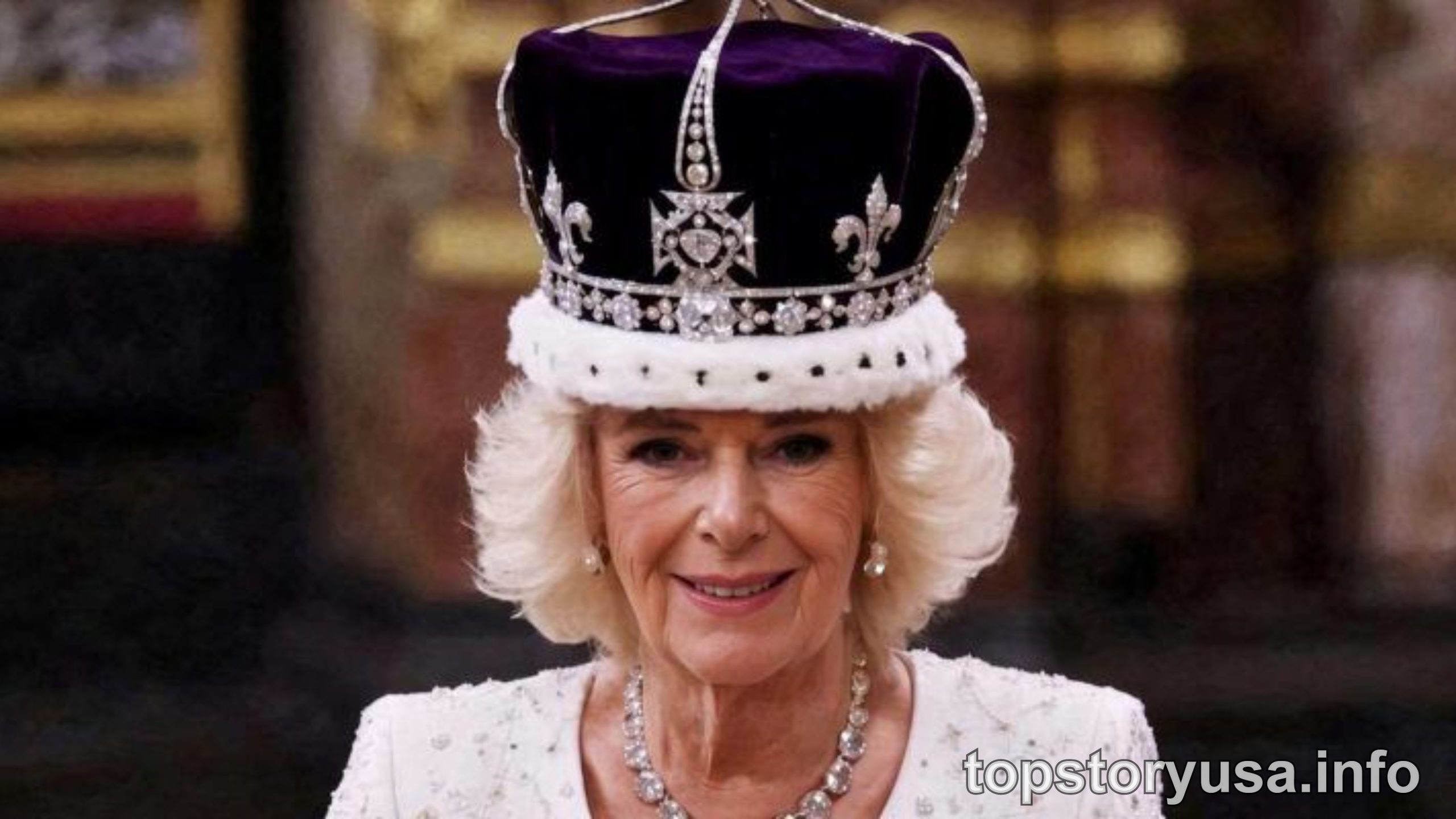
A viral social media post claiming Buckingham Palace confirmed an unspecified rumor about Queen Camilla spread widely online without providing the actual details of the alleged announcement.
The incomplete headline used ellipsis and the Queen’s full name to encourage clicks, a tactic that relies on reader curiosity rather than substantive information. Royal news spreads rapidly because the individuals involved are widely recognized and official institutions typically communicate carefully, creating opportunities for misleading posts.
How the Misinformation Spread
The viral post contained no direct palace quotation, named official, specific date, or verifiable document. Instead, it borrowed the appearance of authority by pairing “Buckingham Palace confirms” with an unfinished claim, allowing readers to fill in the missing details with speculation.
The format encouraged audiences to imagine various scenarios-illness, resignation, family disagreement, or other dramatic developments-before clicking the link. Every interpretation generated traffic for the publisher regardless of accuracy.
Genuine palace announcements typically appear through official royal communication channels, named spokespersons, or established news organizations that provide quotations and source links. Important updates do not normally appear exclusively in blurry images, anonymous social media accounts, or websites that conceal the claim across multiple pages.
Identifying Reliable Royal News
Verification requires pausing before sharing. Readers can search the specific claim, consult the Royal Family’s official website and verified accounts, and compare coverage from established news organizations.
When a major palace announcement occurs, multiple independent news agencies typically report it with consistent basic facts. Silence from reputable outlets serves as a warning sign that the claim lacks credibility.
Publication dates and event dates require separate checking. Royal stories are frequently recycled months or years later, with photographs presented without context to create false urgency.
Why This Matters
The pattern behind the unfinished headline demonstrates how online curiosity is engineered for profit. Withheld information generates more value for the publisher than disclosure itself.
Public figures warrant scrutiny when reliable reporting supports investigation. An incomplete sentence does not constitute reliable reporting-it represents an invitation to assume without evidence.
Queen Camilla faces unusually intense public scrutiny due to her history, marriage to King Charles III, and official role. This attention creates constant demand for claims about her health, titles, relationships, and palace decisions.
Before forwarding royal news, readers should verify the event and articulate what is actually known. Claims that cannot be stated clearly without ellipsis probably have not earned distribution. Collective refusal to engage with one misleading click reduces the financial incentive that sustains such operations.