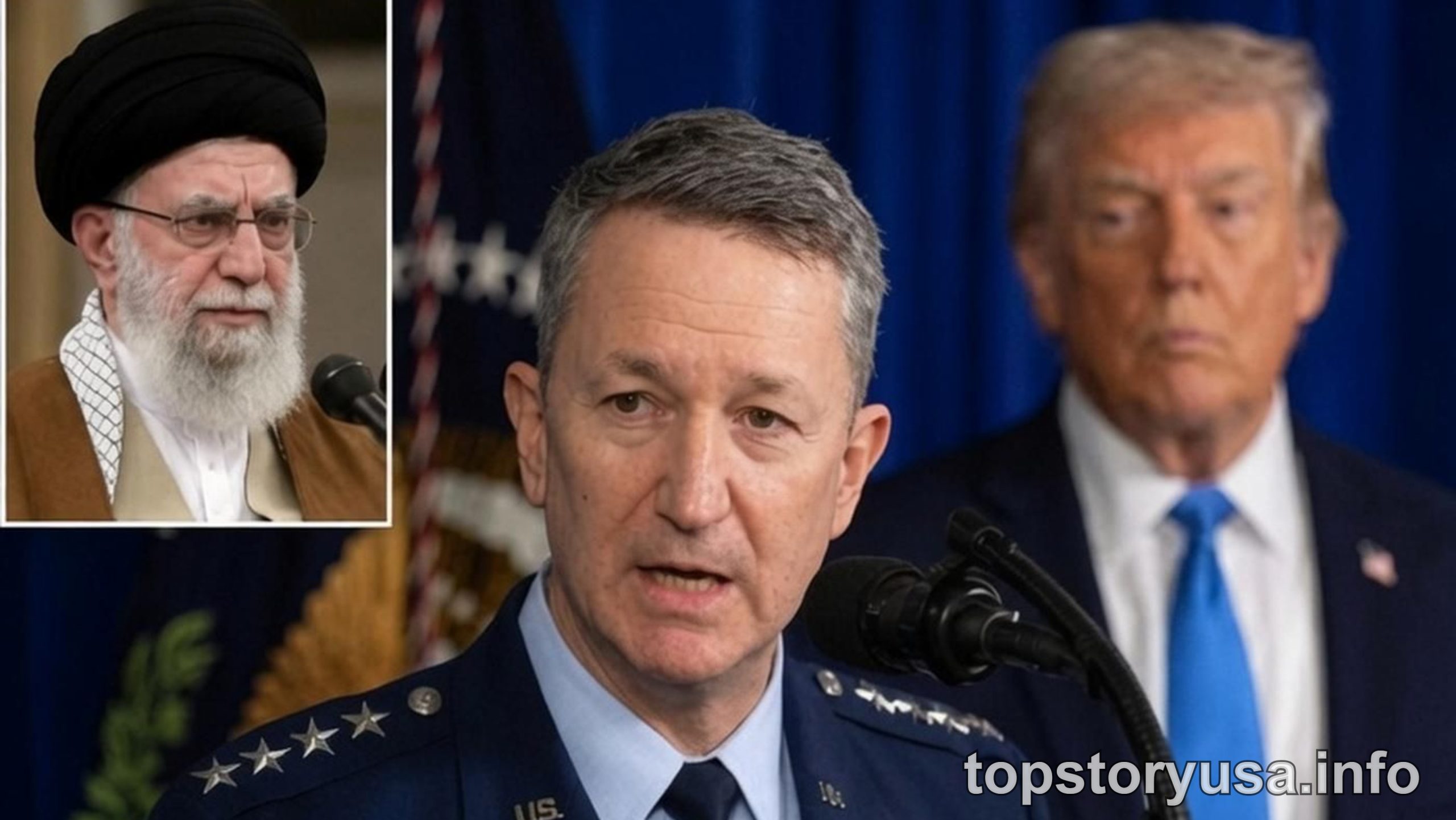
Iran’s Islamic Revolutionary Guard Corps fired multiple ballistic missiles at U.S. forces in the Middle East on Tuesday evening, with all projectiles intercepted, triggering a swift retaliatory strike by American and Saudi fighter aircraft.
The IRGC launched the attack at 5:45 p.m. Eastern time, according to U.S. Central Command. The strike followed weeks of escalating tensions and repeated drone attacks on American personnel and facilities across the region.
The Attack and Immediate Response
All Iranian ballistic missiles were successfully intercepted by U.S. air defenses, CENTCOM confirmed in operational updates. U.S. forces maintained heightened readiness following the assault.
Within hours, American and Saudi fighter aircraft conducted precision strikes against Iranian Revolutionary Guard Corps-directed targets in eastern Iraq. The operations focused on logistics facilities and weapons sites responsible for numerous drone attacks in the preceding 72 hours, military officials said.
Pattern of Escalation
The missile strike represents a significant escalation in direct Iranian military action against U.S. forces. Between February and April, Iran-aligned militias in Iraq conducted more than 600 attempted attacks on American personnel and installations, according to U.S. military assessments.
These attacks have been coordinated by IRGC leadership as part of a sustained campaign against American military presence in the region, officials stated. The operations have targeted both personnel and critical infrastructure.
Regional Coalition Response
Saudi Arabia’s participation in the retaliatory strikes signals a deeper military coordination between the kingdom and the United States. Saudi fighter aircraft flew alongside American planes in the joint operation against proxy targets.
Riyadh has faced repeated Iranian attacks on its energy infrastructure and determined that a coordinated military response was necessary, marking an expansion of direct Saudi involvement in countering Iranian activities in Iraq.
Strategic Implications
The sequence of events-Iranian missile launch, successful U.S. interception, and retaliatory strikes-demonstrates the operational framework governing current U.S. policy toward Iranian aggression in the region. Previous warnings about consequences for attacks on American infrastructure and personnel preceded Tuesday’s response.
The IRGC and associated militias have now received a direct demonstration of the cost for direct military action against U.S. forces, military analysts noted. Future Iranian actions will likely face similar immediate responses, officials indicated.