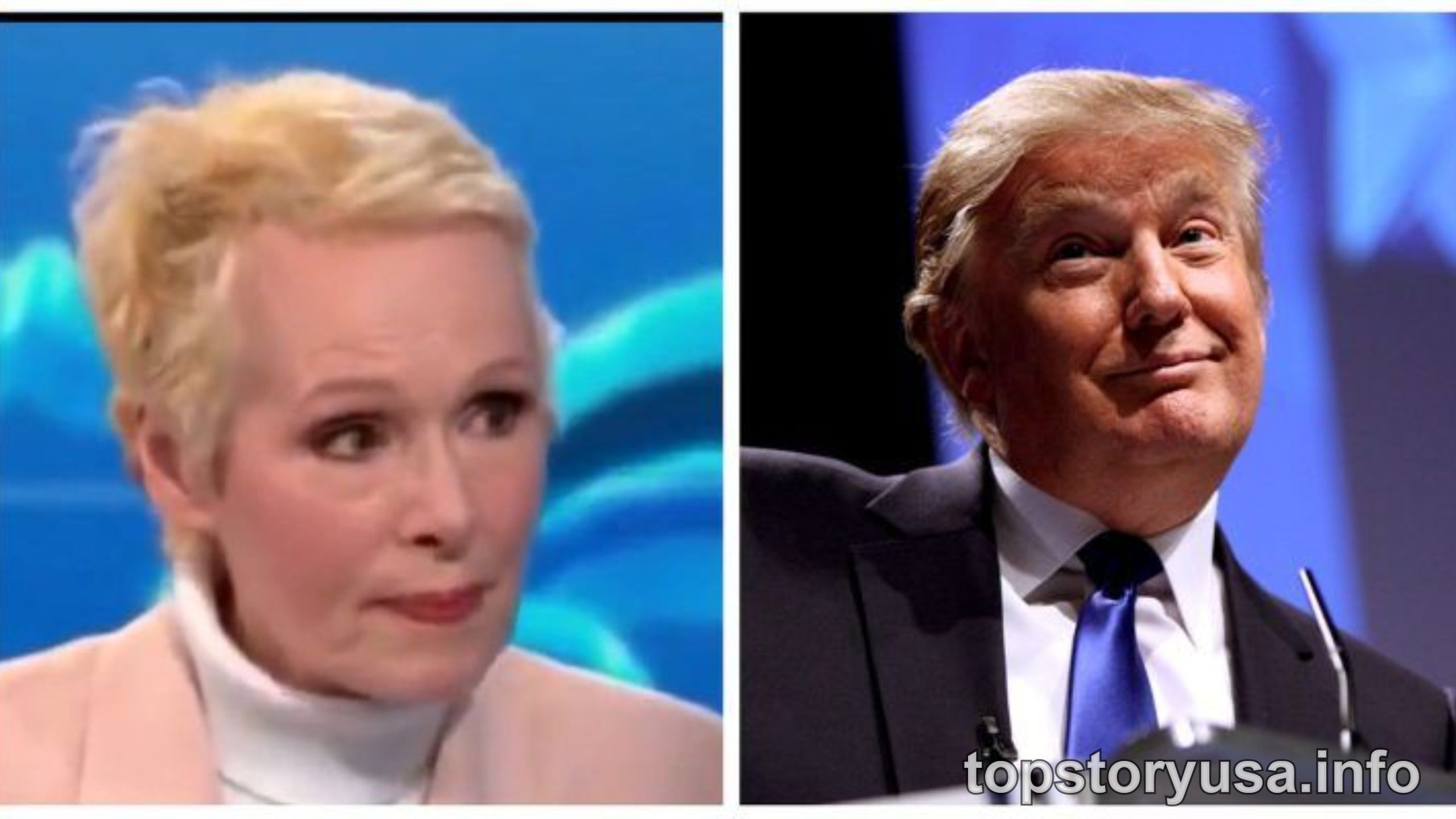
The Supreme Court has agreed to reconsider a lower court’s ruling in the E. Jean Carroll defamation case against President Trump, reopening legal questions about evidence and testimony used at trial.
The justices redistributed Trump’s rehearing petition last week, marking the first time the Supreme Court has taken such action on a case since 2018. The decision comes as the Department of Justice investigates whether Carroll committed perjury when she testified under oath during her 2022 deposition.
The Legal Challenge
Trump’s petition centers on whether a jury should have heard testimony from other accusers making decades-old allegations and the 2005 Access Hollywood tape, both admitted as pattern evidence at trial. Carroll’s own legal team acknowledged the case might look different without that evidence, conceding her testimony alone may not have been sufficient.
Trump’s legal argument focuses on fundamental rules of evidence that require liability be determined on specific conduct rather than character or similar allegations. The distinction raises questions about how American courts apply evidentiary standards across different cases and defendants.
The Funding Question
Carroll’s litigation was partially funded by Reid Hoffman, the LinkedIn billionaire and Democratic donor, through the nonprofit American Future Republic, which funneled approximately $7 million to her legal team. Hoffman’s involvement remained hidden until weeks before the initial trial.
During her 2022 deposition, Carroll testified under oath that no one else was funding her legal fees. A federal appeals court ruled she had