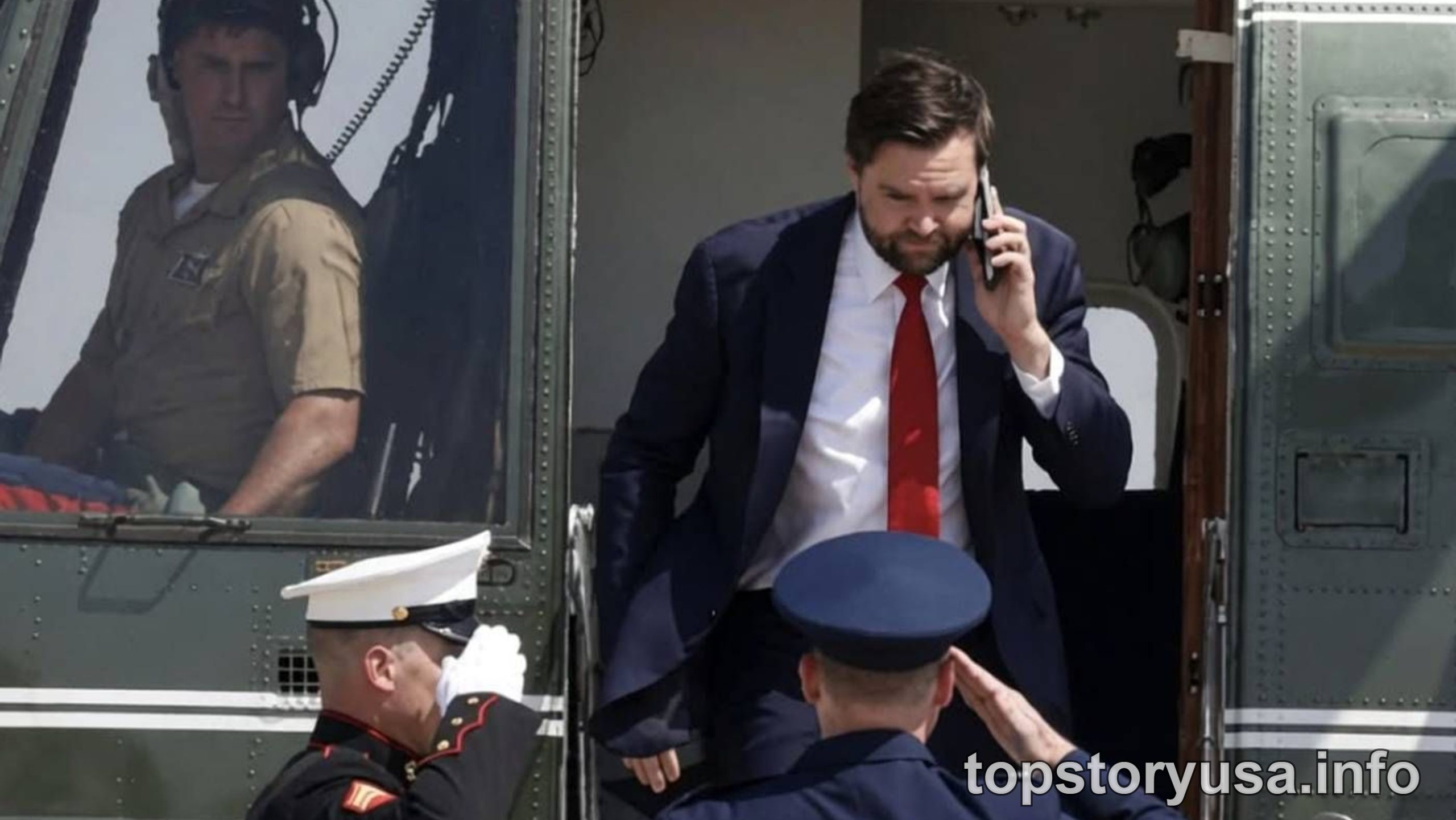
Vice President JD Vance was summoned back to the White House on Tuesday, delaying his planned departure to Pakistan for nuclear negotiations with Iran as uncertainty clouds the talks.
Vance was set to lead a U.S. negotiating team to Islamabad but was unexpectedly called back amid questions over whether Iranian officials will attend the discussions. The timing comes as a two-week ceasefire between the United States, Israel, and Iran approaches its end on Wednesday.
What Happened
Vance will participate in policy meetings at the White House on Tuesday rather than boarding a plane to Pakistan as previously planned, CNN reported. Sources said the trip’s status remains uncertain, with officials describing it as “definitely delayed” but not necessarily canceled.
The vice president initially traveled to Pakistan earlier this month alongside special envoy Steve Witkoff and Trump adviser Jared Kushner. Those talks yielded no agreement, with Vance stating that Iran refused to commit to abandoning nuclear weapons development. “The bad news is that we have not reached an agreement,” Vance said at the time.
Iran’s Position Unclear
Pakistani officials said they were still awaiting formal confirmation from Iran that it would send a delegation to the Islamabad talks. Pakistani Foreign Ministry spokesperson Mumtaz Zahra Baloch said mediators remained “in constant touch” with Iranian representatives regarding what was described as a “critical” diplomatic effort.
Iranian President Masoud Pezeshkian criticized Trump and the negotiations on social media, writing that the U.S. delegation’s level of understanding was “even lower than Trump’s level of understanding and comprehension.” The comment suggested deepening tensions in the negotiation process.
Diplomatic Efforts Continue
U.S. Chargé d’Affaires Natalie Baker met with Pakistani Deputy Prime Minister Ishaq Dar on Tuesday to discuss efforts to resolve the conflict. Dar emphasized Pakistan’s commitment to dialogue as the only path toward “lasting regional peace and stability,” according to a statement from the Pakistani Ministry of Foreign Affairs.
Dar urged both the United States and Iran to extend the ceasefire beyond its Wednesday expiration and give diplomacy more time to succeed. President Trump, however, indicated he opposes extending the temporary truce, telling CNBC that “we don’t have that much time” and that a permanent agreement must be reached.
Trump stated that Iran could strengthen its position through a negotiated deal. “Iran can get themselves on a very good footing if they make a deal,” Trump said. “They can make themselves into a strong nation again, a wonderful nation again.”