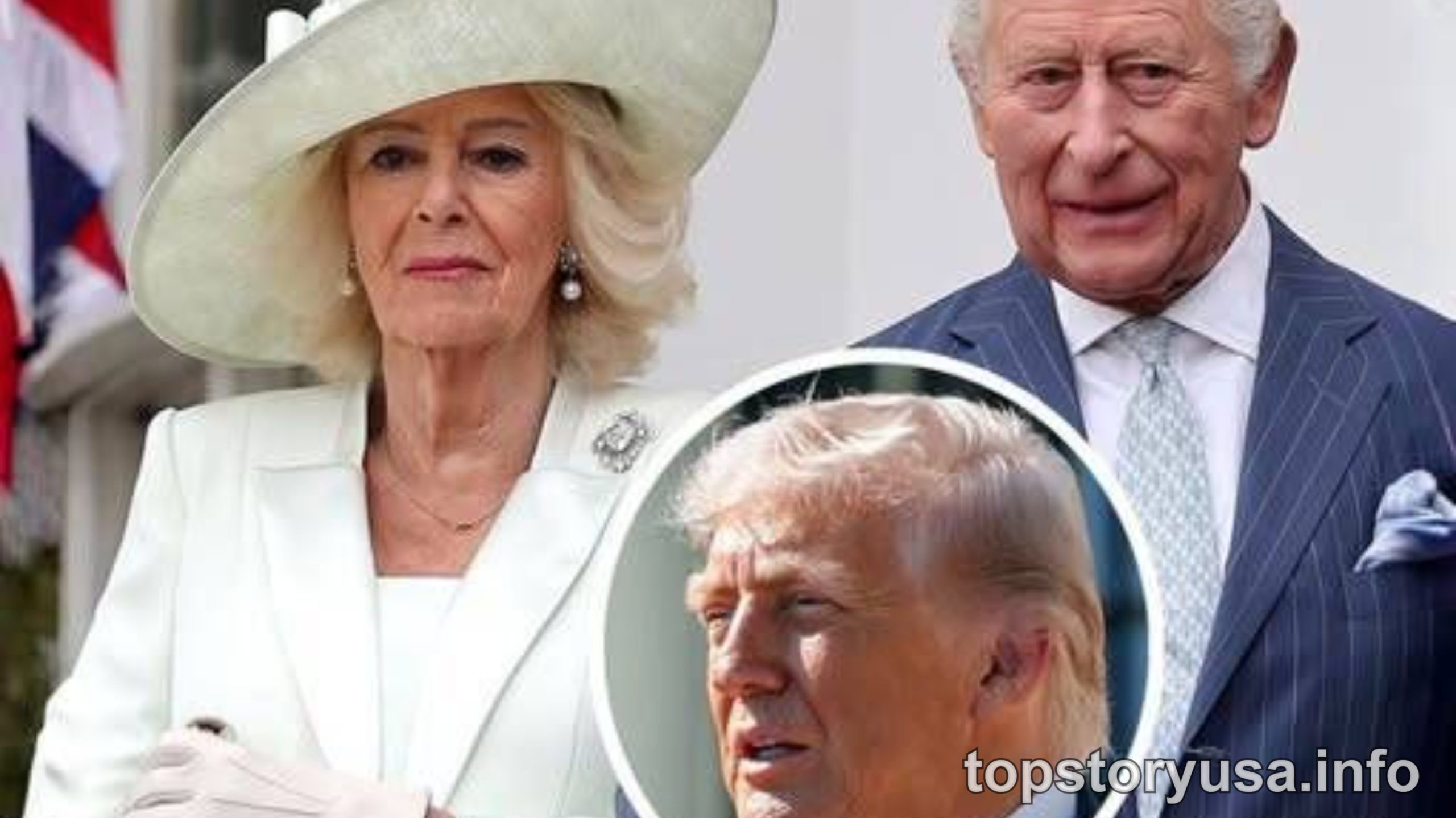
President Donald Trump’s physical gestures toward King Charles III and Queen Camilla during an April 2026 White House state visit sparked global debate over royal protocol and diplomatic warmth.
The British Royal Family operates under strict unwritten rules governing physical contact with the monarchy. Protocol dictates that guests should never initiate touch with royals, and handshakes are appropriate only if the monarch extends their hand first.
What Happened
Trump patted King Charles on the back and touched Queen Camilla’s arm during their interactions at the White House. These informal gestures created what observers described as a departure from traditional royal protocol.
For some, the actions signaled disrespect toward centuries of British tradition. For others, they represented warm American hospitality between allied leaders.
The Science Behind Touch
Physical contact in high-stakes diplomatic settings carries psychological weight. Research in haptics, the study of touch in communication, shows that when a host initiates contact with a guest, observers may perceive it as an assertion of dominance.
Touch also releases oxytocin, the bonding hormone, which can lower social barriers between individuals. Supporters of Trump’s approach argued the gestures fostered personal connection that formal protocol alone could not achieve.
Broader Context
The state visit occurred amid international tensions over defense spending and global security. King Charles’s address to Congress invoked Queen Elizabeth II’s legacy and was widely viewed as a strategic diplomatic effort to strengthen U.S.-U.K. relations.
Some analysts interpreted Trump’s physical informality as a signal that the United States no longer adheres strictly to traditional British royal protocol. This potentially reflects shifting power dynamics in the transatlantic relationship.
Cultural Divide
The incident highlights a fundamental cultural difference between the American presidency and British monarchy. The U.S. presidency emphasizes accessibility and personal connection, while the monarchy emphasizes formal distance and protocol.
First Lady Melania Trump’s adherence to formal protocol throughout the visit provided visual contrast to the President’s more expansive style. The different approaches underscored ongoing tensions between modern informality and traditional ceremony in diplomatic settings.
Historical Pattern
This was not the first time an American leader faced criticism for casual physical contact with royalty. Michelle Obama’s hug with Queen Elizabeth II in 2009 demonstrated an ongoing pattern of tension between American informality and British tradition.
The intense global fascination with seconds of physical contact reveals how observers search for authenticity behind formal ceremony. Diplomatic exchanges remain ultimately human interactions shaped by individual personalities, cultural values and unspoken expectations about power and respect.