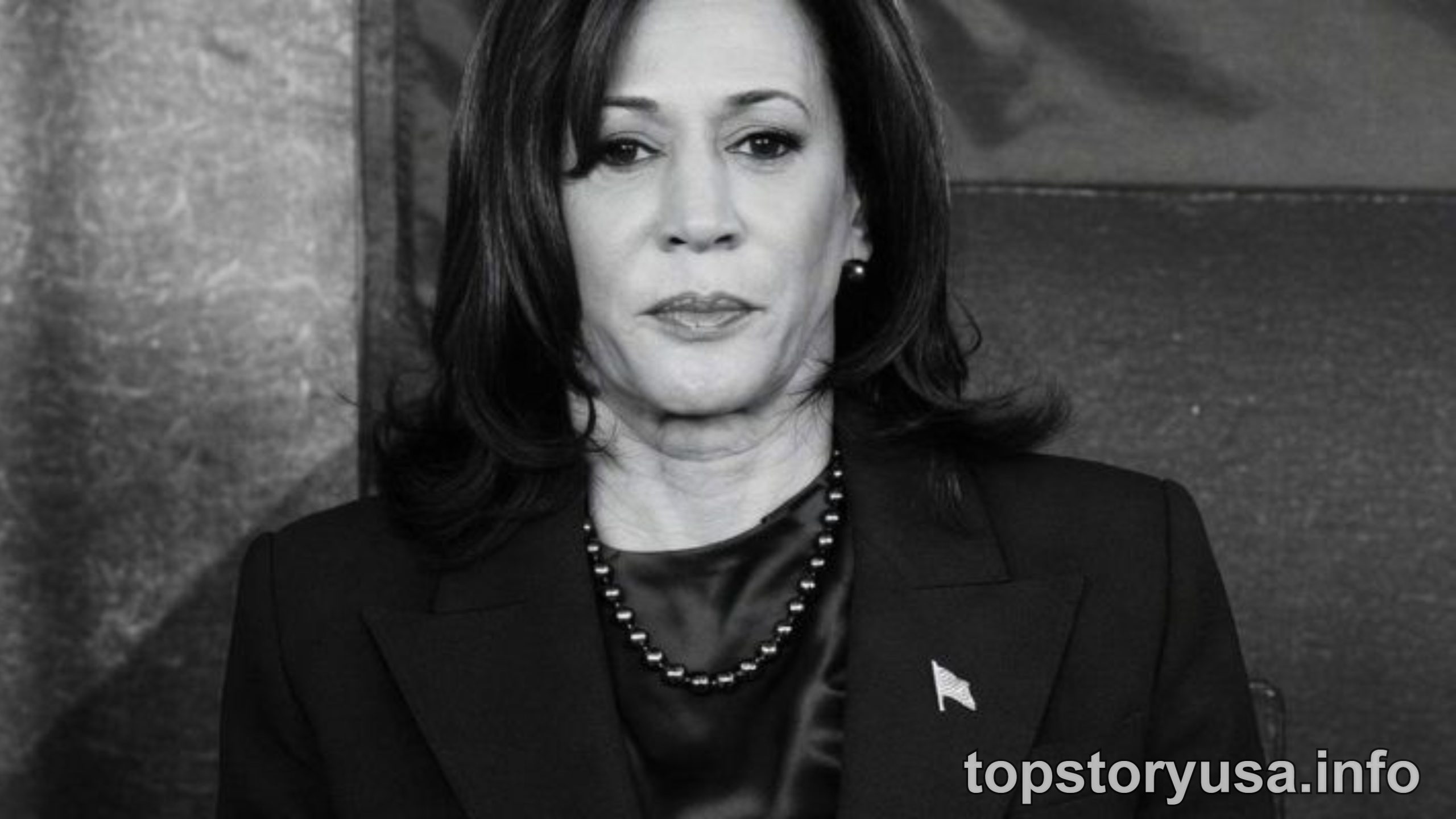
A post-election analysis of Kamala Harris’s presidential campaign loss reveals internal divisions over strategy, messaging and voter outreach, with insiders pointing to fundamental miscalculations about the political landscape.
Following Harris’s defeat to Donald Trump, debate quickly emerged within her campaign circle and among Democratic allies about what went wrong. Several former staffers offered direct assessments of the campaign’s approach, while some supporters pointed to timing and external factors as contributing elements.
Campaign Strategy and Voter Disconnect
Insiders said the Harris campaign failed to adequately understand key voter groups and made faulty assumptions about coalition support without verification. The team treated her candidacy as a continuation of an existing Democratic base rather than adjusting strategy for a new race.
Campaign staffers admitted that optimism about voter enthusiasm outweighed actual data analysis, creating blind spots in critical regions. As momentum shifted during the race, internal blame for the strategic miscalculations increased.
Messaging and Identity Issues
The campaign attempted to appeal to multiple voter groups simultaneously, an approach that diluted her core message and left voters unclear about her central positions. Strategists spent considerable time defending President Joe Biden’s record, which limited efforts to define Harris independently.
Voters remained uncertain whether Harris represented continuity with the Biden administration or represented change, a confusion that weakened overall support throughout the race.
Criticism From Democratic Leaders
Former San Francisco Mayor Willie Brown offered sharp criticism of the campaign’s decision-making during a post-election analysis.