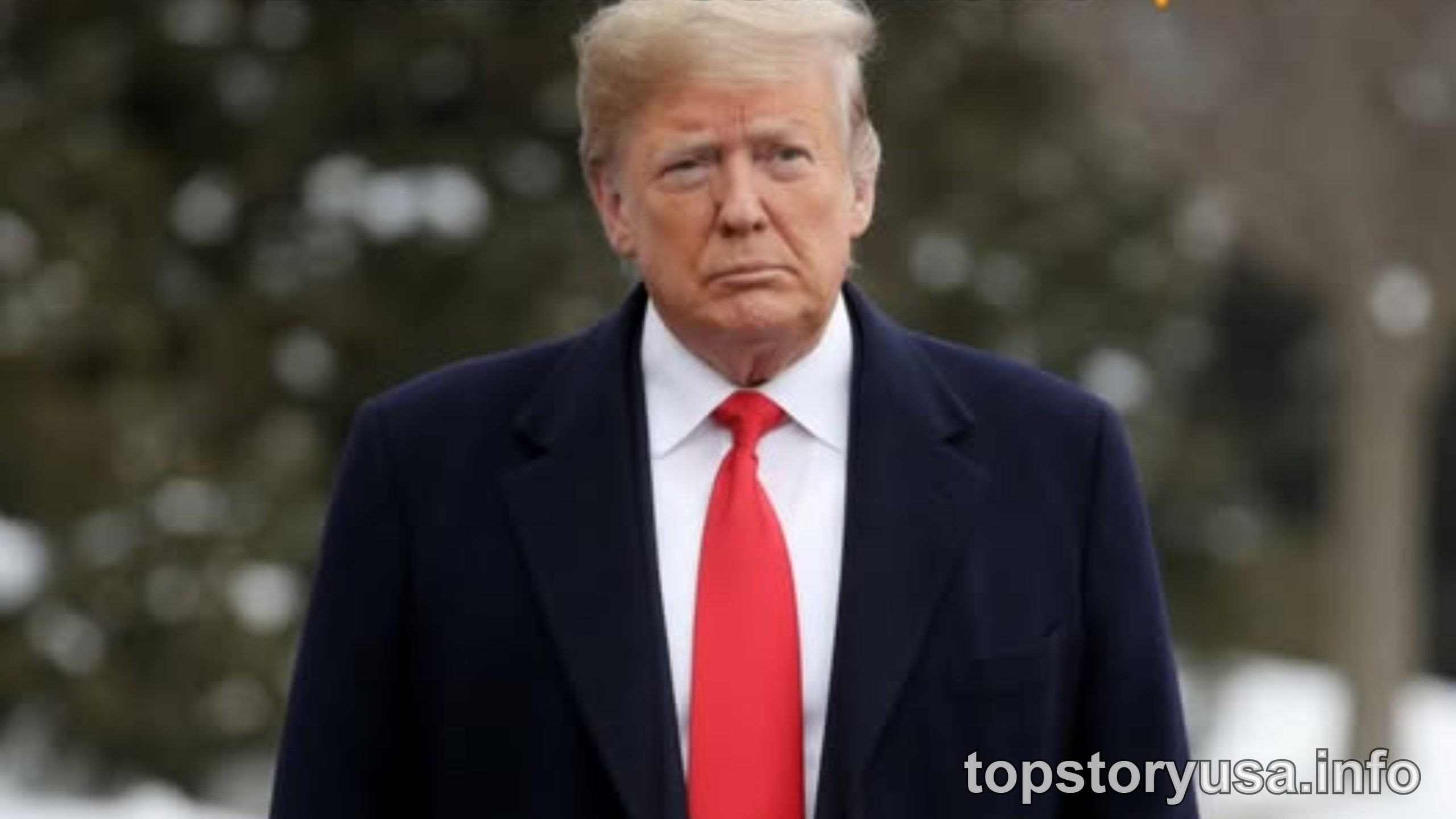
Federal prosecutors have indicted former President Donald Trump on charges related to efforts to overturn the 2020 presidential election results.
The indictment accuses Trump of orchestrating a scheme to defraud the government and interfere with the peaceful transfer of power. Prosecutors allege the conduct went beyond political disagreement and involved attempts to disrupt official processes and undermine certified election results.
What the Charges Allege
Court documents detail communications and meetings that prosecutors say demonstrate a coordinated effort to reverse the election outcome. The government contends Trump worked to pressure state officials, challenge voting procedures, and encourage alternative slates of electors in key states.
Prosecutors argue these actions violated federal statutes related to conspiracy, fraud, and obstruction. The indictment represents one of the most serious legal challenges ever brought against a former U.S. president.
The Response
Trump has denied all wrongdoing, with his legal team characterizing the prosecution as politically motivated. His position maintains that his actions were part of legitimate efforts to contest what he describes as a flawed election.
The indictment has deepened existing divisions across the country. Trump supporters view it as an example of partisan overreach, while critics see it as essential accountability for actions that undermined the electoral process.
What Comes Next
The case is expected to proceed through the federal court system over an extended period, with potential appeals and constitutional questions likely to emerge. Legal experts say the trial may define the constitutional limits of presidential power and reshape how election disputes are handled in the future.
Public opinion remains sharply divided along political lines, reflecting broader tensions that have intensified since the 2020 election.