A federal law enforcement surge in Washington, D.C., has rapidly reduced crime rates while simultaneously raising concerns about civil liberties and government overreach in the nation’s capital.
The Trump administration’s decision to deploy additional federal agents and marshal resources to the district produced measurable changes in crime statistics within days of implementation. The increased federal presence altered daily life for residents across multiple neighborhoods, reshaping how people navigate public spaces and their sense of security.
What Changed on the Ground
Street-level activity shifted noticeably following the deployment. Some residents reported feeling safer during evening commutes and nighttime outings for the first time in years, according to interviews conducted across various D.C. neighborhoods. Community group chats that previously circulated crime alerts and surveillance footage reflected a changed tone.
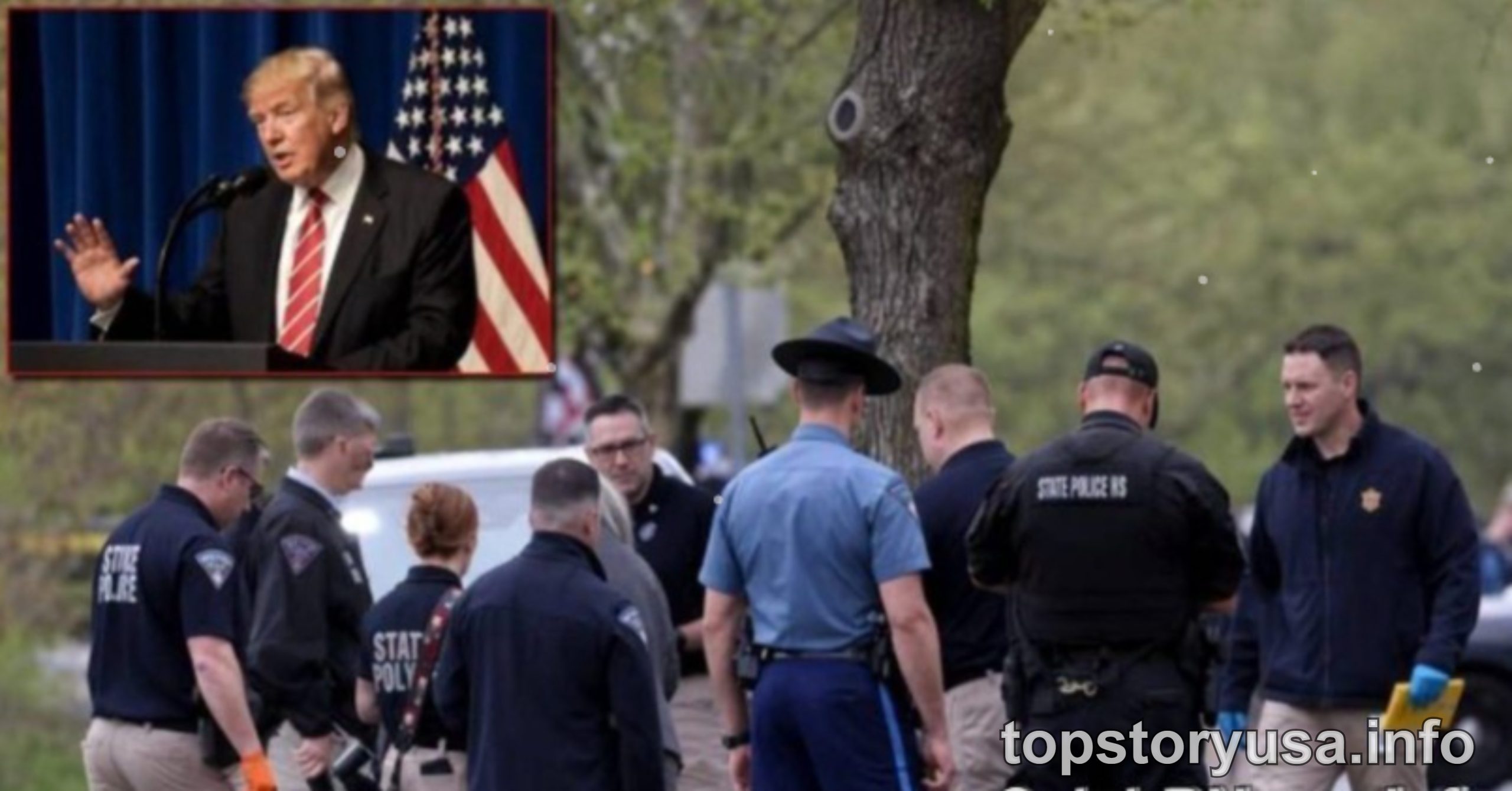
The visible federal presence includes additional vehicle patrols, joint task forces with local police, and coordinated enforcement operations. Local law enforcement officers have expressed uncertainty about command structures and decision-making authority during ongoing operations.
Concerns Emerge Alongside Results
Immigration enforcement actions have occurred at schools, bus stops, and residential areas, prompting some families to change their routines. Parents reported teaching children specific protocols in case of federal agent encounters, and some residents began documenting vehicle information and planning alternative routes through neighborhoods.
Civil liberties advocates have raised questions about the methods employed and their impact on vulnerable populations. The rapid transformation of law enforcement presence has created a divide in how residents perceive both safety and surveillance in their communities.
Broader Questions for the Capital
Washington now confronts a fundamental question about the relationship between security measures and democratic governance. The situation has forced city officials, residents, and federal agencies to examine whether rapid crime reduction achieved through intensive federal enforcement can coexist with civil liberties protections.
Local government officials and community leaders continue assessing the long-term implications of the approach and whether the current deployment represents a sustainable model for public safety.