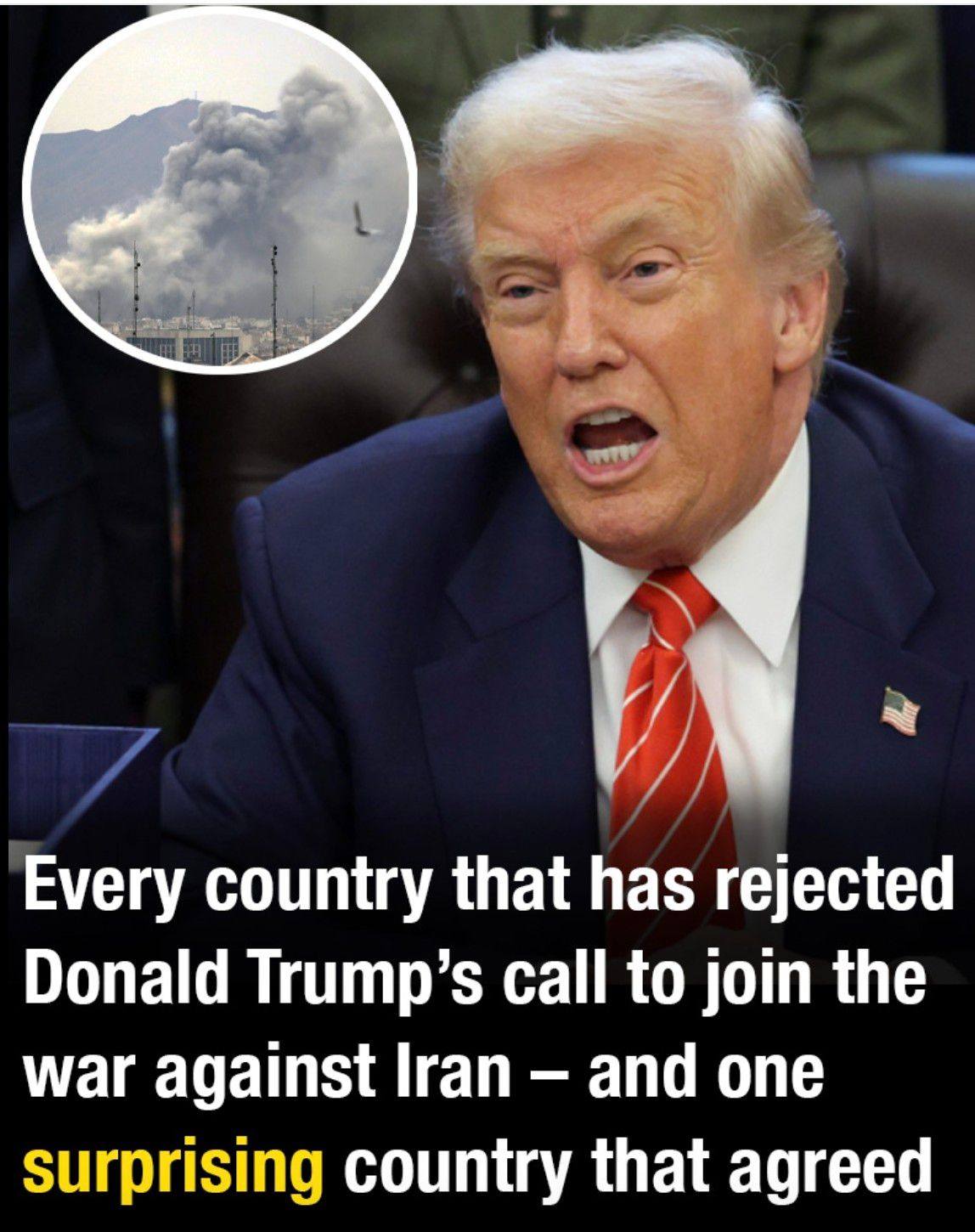
As the Trump administration seeks international military support for operations against Iran, multiple U.S. allies have declined to participate, signaling a significant shift in transatlantic cooperation.
The proposed military initiative has faced resistance from key NATO partners and regional allies who cite concerns about escalation risks and strategic calculations. The rejections represent a notable departure from past patterns of allied coordination on Middle East security matters.
Which Countries Have Declined
Britain has declined to commit military assets to the operation, citing preference for diplomatic channels over military escalation. Germany and Italy have similarly indicated they will not deploy forces or vessels to support the campaign.
Greece has also refused participation, joining a growing list of European capitals weighing their strategic interests. These decisions reflect broader European concerns about being drawn into conflicts shaped by U.S. policy priorities rather than shared alliance objectives.
The Strategic Calculus
Allied nations are reassessing how they balance historical ties with the United States against their own security and economic interests. The pattern of rejections suggests partners are adopting a more selective approach to military commitments than in previous administrations.
Officials in European capitals have expressed concerns about long-term consequences of military involvement without clear exit strategies or defined objectives. This hesitation marks a visible crack in the traditional alliance framework that has underpinned U.S. foreign policy for decades.
What Comes Next
The White House faces the prospect of conducting military operations with limited allied participation, potentially relying more heavily on regional partners or unilateral action. Diplomatic efforts to secure broader support are reportedly continuing, though initial responses suggest limited momentum.
The situation underscores evolving calculations among U.S. partners about the costs and benefits of military alignment with Washington. Future alliance cohesion may depend on how the administration adjusts its approach to secured allied participation.
This story has been updated. CNN’s International Desk contributed to this report.