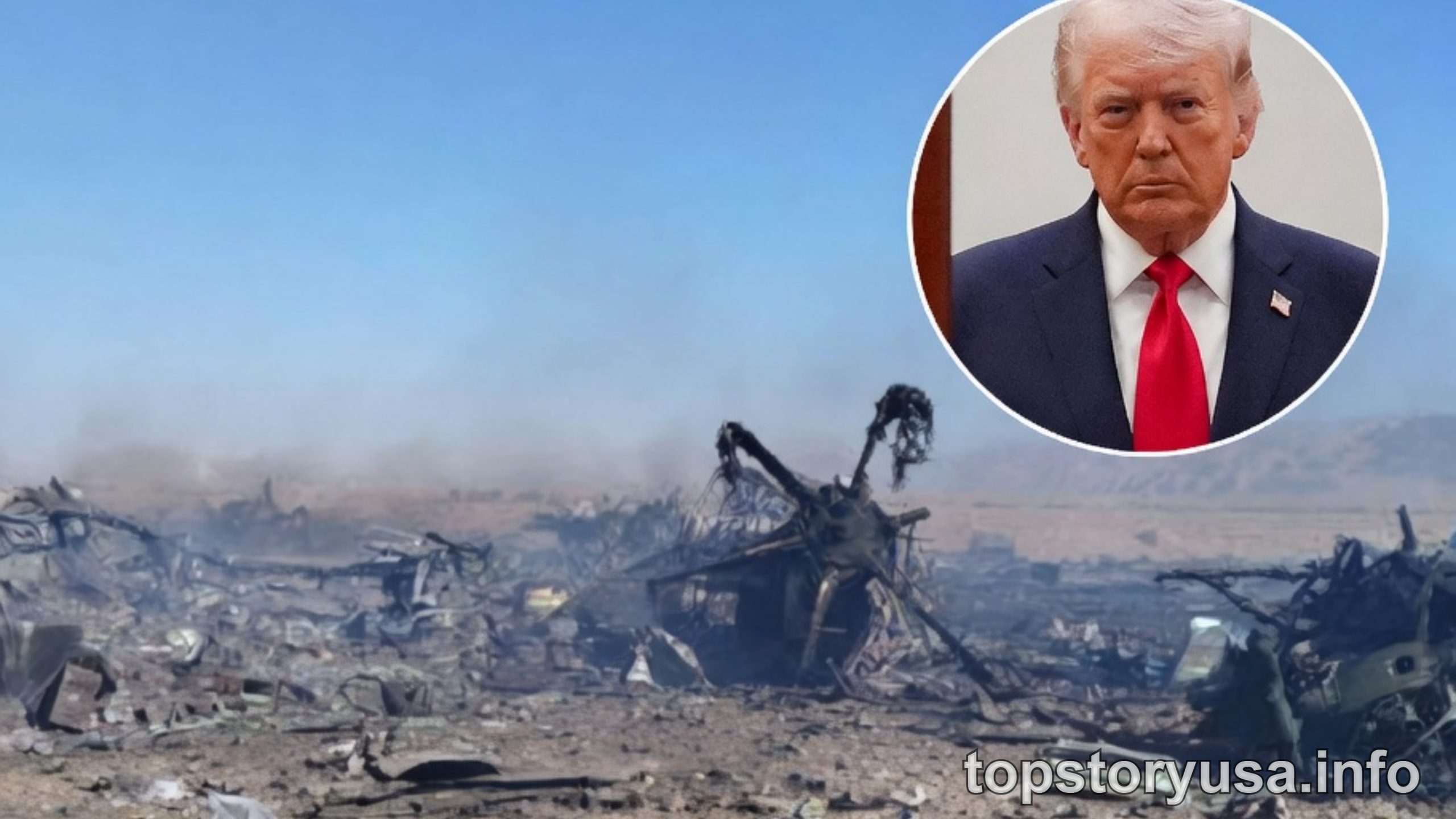
A faint, unstructured radio transmission from a crashed American pilot in contested airspace near Iran forced military officials to weigh the risks of a rescue mission against the possibility of an electronic trap.
The signal lacked the clarity of standard military communications, raising immediate questions in the Situation Room about its authenticity. Senior defense officials faced a critical decision: trust the transmission and launch a rescue operation, or demand further verification that could cost precious time.
The Authentication Challenge
Modern electronic warfare capabilities mean that even convincing signals can be manufactured to deceive. Analysts began dissecting voice patterns, signal distortions, and background noise using systems designed to detect spoofing or artificial replication.
The voice matched the missing pilot’s profile, but technical analysis revealed something unexpected: subtle distortions in the signal actually pointed toward authenticity. The interference patterns matched what experts expected from a real field radio struggling through difficult terrain, not a controlled broadcast.
The Ground Reality
The pilot had survived the crash of his F-15E Strike Eagle and managed to activate his emergency radio. His transmissions were fragmented and strained-shaped by injury and exhaustion rather than military protocol.
That rawness, ironically, had created doubt in Washington even as it reflected genuine distress. Every minute of debate risked abandoning a living pilot, while every hasty decision risked sending rescue teams into a potential ambush.
The Decision and Extraction
Command ultimately shifted toward calculated action. Rescue helicopters moved in under cover of darkness, navigating difficult terrain using night-vision systems and coordinates from the signal.
Search teams located the pilot alive but injured. Medical personnel stabilized him during extraction as aircraft pulled away from the contested area.
What This Means
The incident highlighted an emerging challenge in modern military operations: technology can analyze and interpret data, but it cannot eliminate uncertainty. The decision to act came not from absolute proof, but from informed judgment.
Defense officials acknowledged that the rescue succeeded because commanders balanced technological analysis with human judgment, recognizing that even in an age of advanced systems, the imperfect reality of a person in danger still demands action.
This story has been updated. CNN’s National Security desk contributed to this report.