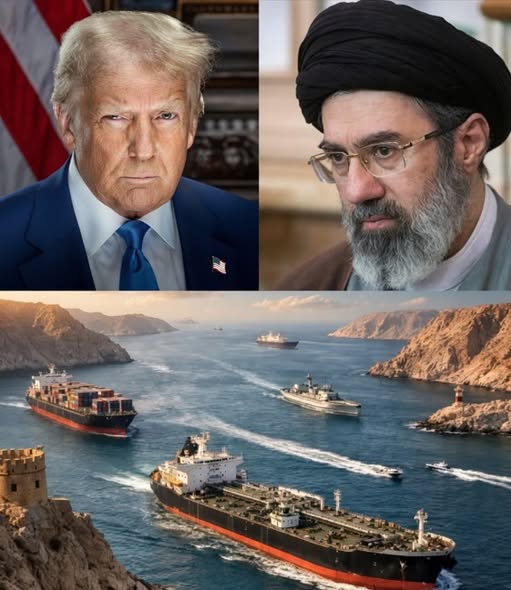
Reports claim that more than twenty commercial vessels have transited the Strait of Hormuz within the past twenty four hours, each allegedly paying a fee of two million dollars to Iran. If accurate, this would amount to over forty million dollars collected in a single day along one of the most strategically important waterways in the world. Promoted Content Seniors Under 85 Yrs Old Get $50k In Life Insurance For $15/Mth More… 304 76 101 Edema Is Not From Salty Food. Meet The Real Enemy Of Swollen Legs More… 409 102 136 TRAGIC DETAILS ABOUT VALERIE BERTINELLI’S SON WOLFGANG VAN HALEN More… 301 75 100 Melania Trump’s Actual Size Might Surprise You – Take A Look! More… 885 221 295 The Strait of Hormuz serves as a narrow but indispensable corridor connecting the Persian Gulf to global shipping lanes, carrying a substantial portion of the world’s oil and liquefied natural gas exports.
Because of this, any development affecting passage through the strait immediately draws international attention and raises concerns about energy security, trade stability, and geopolitical tensions. However, such claims should be approached with caution. There is no widely verified evidence that Iran is imposing a fixed transit fee of this magnitude on commercial shipping.
Maritime Law and Transit Rights
Under international maritime law, vessels are generally allowed the right of transit passage, limiting the ability of any single nation to charge arbitrary tolls for movement through the strait. It is more plausible that reported costs could be related to indirect expenses, such as increased insurance premiums, security arrangements, or rerouting measures taken by shipping companies operating in a high risk environment. These costs can rise significantly during periods of regional tension, but they are not equivalent to direct payments to a government for passage.
Overall, while the numbers sound dramatic, they likely reflect confusion or unverified reporting rather than a confirmed policy or widespread practice. Given the strategic sensitivity of the region, even rumors can influence markets and public perception. Analysts typically rely on confirmed shipping data, insurance reports, and official statements before drawing conclusions. Until credible sources validate the claim, it should be treated as speculative information rather than established fact as of now today.