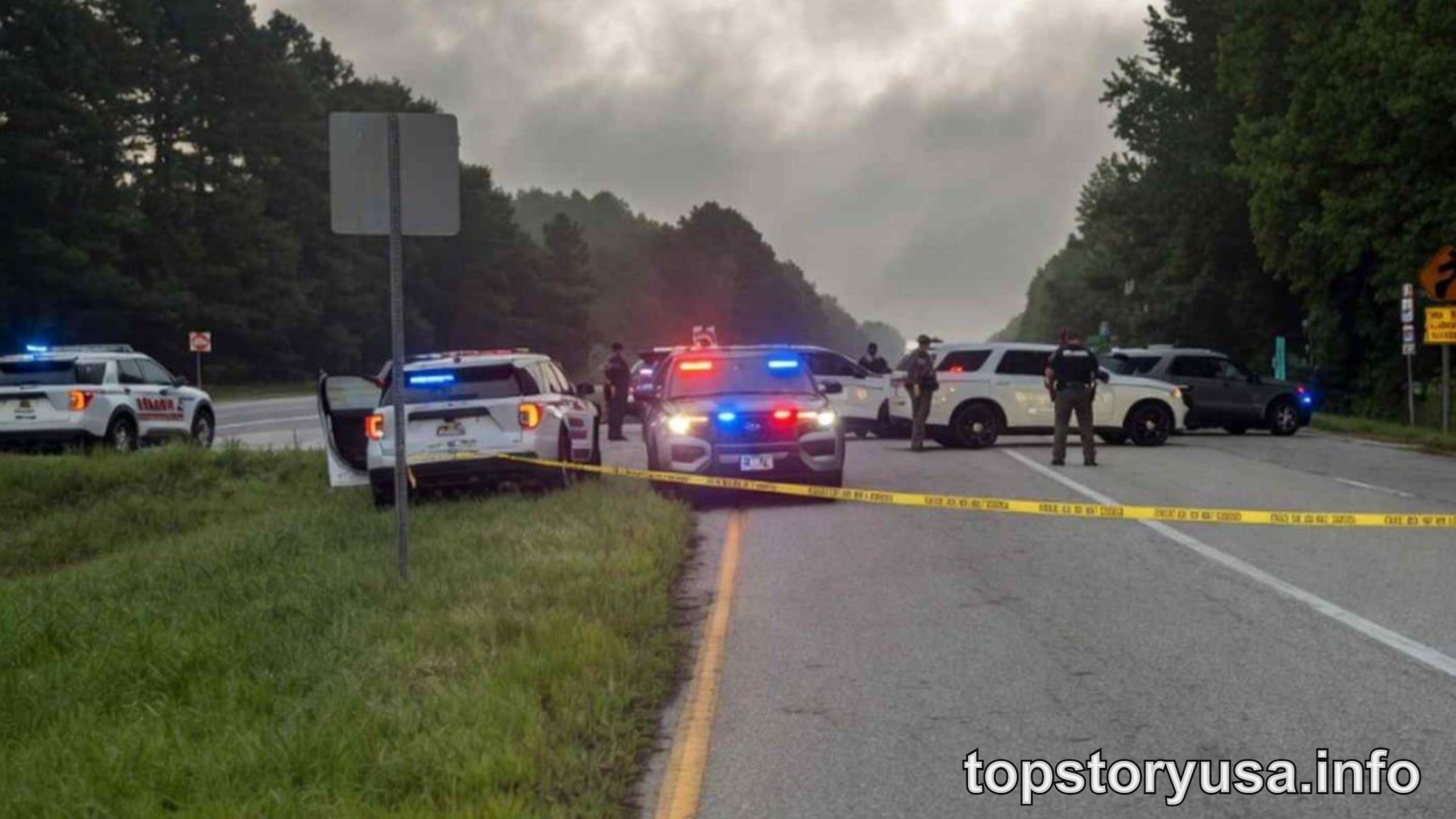
A multi-vehicle crash on Mexico’s critical Mexico-Querétaro Highway near Huehuetoca has left multiple people dead and injured, prompting immediate investigations into road safety practices.
The collision occurred at the Jorobas intersection, a congested area along one of the country’s busiest transportation corridors. Emergency responders deployed within minutes, mobilizing paramedics, firefighters, and civil protection units to manage the crisis.
What Happened
The chain-reaction crash involved multiple private vehicles and heavy freight trucks, creating widespread devastation across several lanes. Witnesses reported hearing sudden impacts followed by alarms and urgent calls for help as the scene transformed from routine traffic into an emergency zone.
Rescue teams worked to extract victims from damaged vehicles using specialized equipment. Medical personnel established triage areas on-site, prioritizing injuries and transporting the most critical cases to nearby hospitals.
The accident triggered significant traffic disruption, with congestion stretching for kilometers in both directions. Security forces implemented detours and redirected vehicles while heavy machinery cleared debris from the roadway.
Investigation and Causes
Authorities launched a thorough inquiry examining multiple contributing factors. Early findings suggest excessive speed may have played a role, particularly given the highway’s high-velocity traffic environment.
Investigators are also reviewing environmental conditions at the time of impact, including visibility constraints from fog or atmospheric factors. The mechanical condition of vehicles involved, especially freight trucks, is being analyzed through maintenance record reviews and brake system inspections.
Officials are reconstructing the sequence of events using witness statements and physical evidence to determine accountability and identify systemic issues.
Road Safety Discussions
The incident has renewed calls for stricter speed limit enforcement, particularly for commercial vehicles. Experts advocate for regular mechanical inspections to prevent technical failures on major highways.
Infrastructure improvements at high-risk areas like the Jorobas intersection are being discussed, including better lighting, clearer signage, and updated traffic management systems. Long-term modernization efforts could incorporate intelligent traffic systems and enhanced monitoring capabilities.
Individual driver responsibility remains critical, with experts emphasizing the importance of maintaining safe speeds and adapting to road conditions.
Looking Forward
As recovery efforts continue, the highway gradually returns to normal operations. However, the impact on affected families remains lasting, serving as a reminder of transportation system vulnerabilities.
Meaningful change requires collaboration between government agencies, private stakeholders, and the public. Each improvement-whether policy-based, infrastructural, or behavioral-contributes to preventing future tragedies.