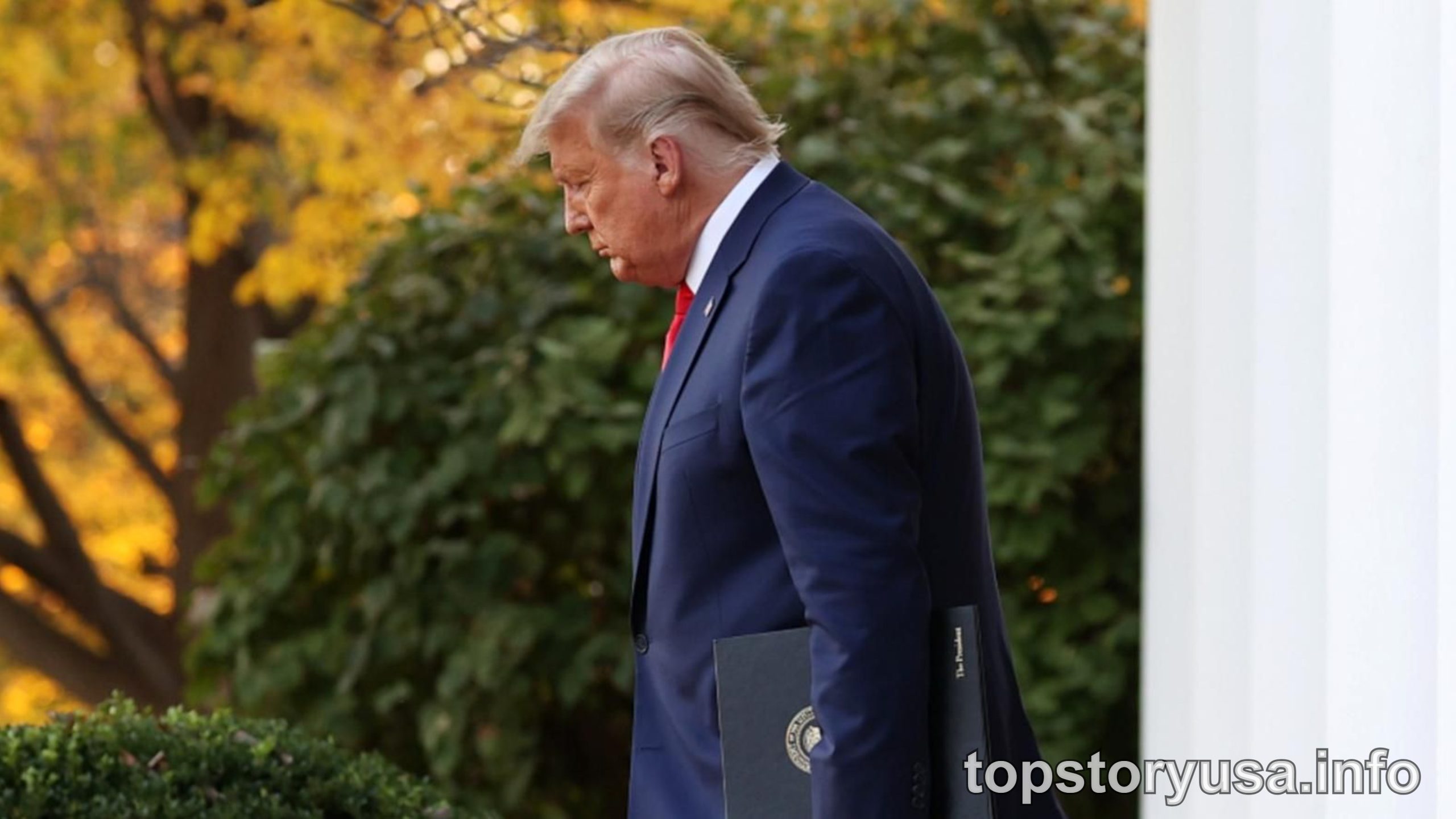
President Donald Trump signed an executive order Tuesday directing federal financial regulators to consider immigration status when assessing risks at U.S. banks.
The order, titled “Restoring Integrity to America’s Financial System,” requires the Treasury Secretary and banking regulators to issue guidance on identifying customers whose profiles or transactions may indicate risks including money laundering, terrorism financing, and labor trafficking. The directive operates under the framework of the 1970 Bank Secrecy Act.
What the Order Requires
The executive order instructs financial institutions to flag specific activities as potential red flags. These include repetitive cash withdrawals, use of shell companies to obscure account ownership, and use of certain platforms for unreported wage payments.
The order also targets use of individual taxpayer identification numbers (ITINs) in place of Social Security numbers during account openings or banking transactions. ITINs are available to all individuals regardless of immigration status and are used for tax filing and payment purposes.
“President Trump is taking action to restore integrity to America’s financial system, cracking down on illicit activity that threatens national security,” a White House fact sheet stated. The administration argues that regulatory gaps have allowed criminal networks to exploit U.S. financial institutions to move illicit funds.
Potential Impact on Non-Citizens
The order could complicate financial access for non-citizens, particularly undocumented immigrants seeking banking services. A study by the Urban Institute found lenders issued between 5,000 and 6,000 mortgages to ITIN holders, though banks generally show reluctance to serve this population.
The Treasury Department separately disclosed plans in November to reclassify certain refundable tax credits as “federal public benefits,” which could restrict eligibility for some non-citizen taxpayers.
Administration’s Reasoning
The White House fact sheet cited documented money laundering networks and claimed banks extended mortgages, credit cards, and loans to undocumented immigrants, arguing associated costs were passed to American consumers through higher fees and rates.
Economists generally attribute interest rate increases to Federal Reserve benchmark rates, bank funding costs, and individual credit factors rather than lending practices toward specific populations.
Broader Context
The order directs Treasury to consider regulatory changes enabling financial institutions to more readily collect customer data including immigration status and employment authorization. The directive reflects the administration’s broader immigration enforcement agenda.
Trump has previously accused banks of discriminating against conservatives and filed a $5 billion lawsuit against JPMorgan Chase over account closures following the January 6, 2021, Capitol riot. JPMorgan Chase stated in response that it closes accounts due to legal or regulatory risk, not political reasons.