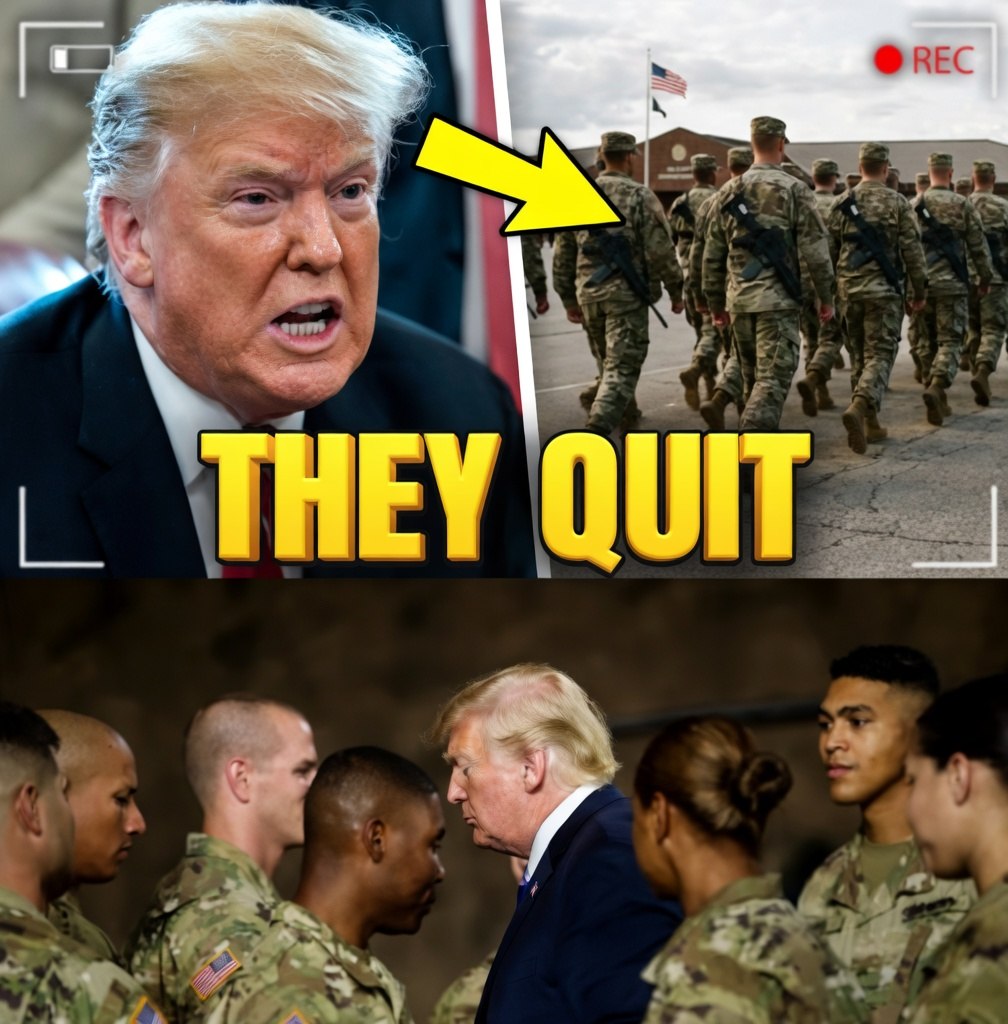
Reports emerging around 4:00 a.m. describe a possible “military walkout” within the United States armed forces, though no official confirmation has been issued. Even as a rumor, the situation signals potential internal strain at a time of already heightened tensions with Iran. The concern is unfolding alongside increasingly aggressive rhetoric, particularly from Donald Trump, regarding the possible targeting of Iranian civilian infrastructure such as power grids and bridges—actions widely seen as a major escalation.
Legal scholars and humanitarian organizations warn that such strikes could violate international law and established wartime conventions, especially if they disrupt essential civilian systems. Strategically, analysts argue that targeting infrastructure often backfires, strengthening nationalist sentiment and consolidating domestic support for the targeted government rather than weakening it. This could ultimately make diplomatic resolution more difficult, not less.
In Washington, political backlash has been swift. Lawmakers including Chris Van Hollen have criticized the posture as reckless and lacking a coherent long-term strategy. Concerns are also growing within Congress that rapid executive actions could sidestep legislative oversight, undermining the traditional balance of power in authorizing military engagement.
On the global stage, experts emphasize that pressure tactics rarely force Tehran to retreat. Instead, they tend to empower hardline elements within Iran’s leadership. Without a clear exit strategy, the risk of a prolonged and costly conflict increases significantly.
Amid these tensions, diplomats are prioritizing de-escalation, with reports of back-channel negotiations underway. Given how quickly perception can shape reality, even a single misstep could destabilize the broader global security landscape.