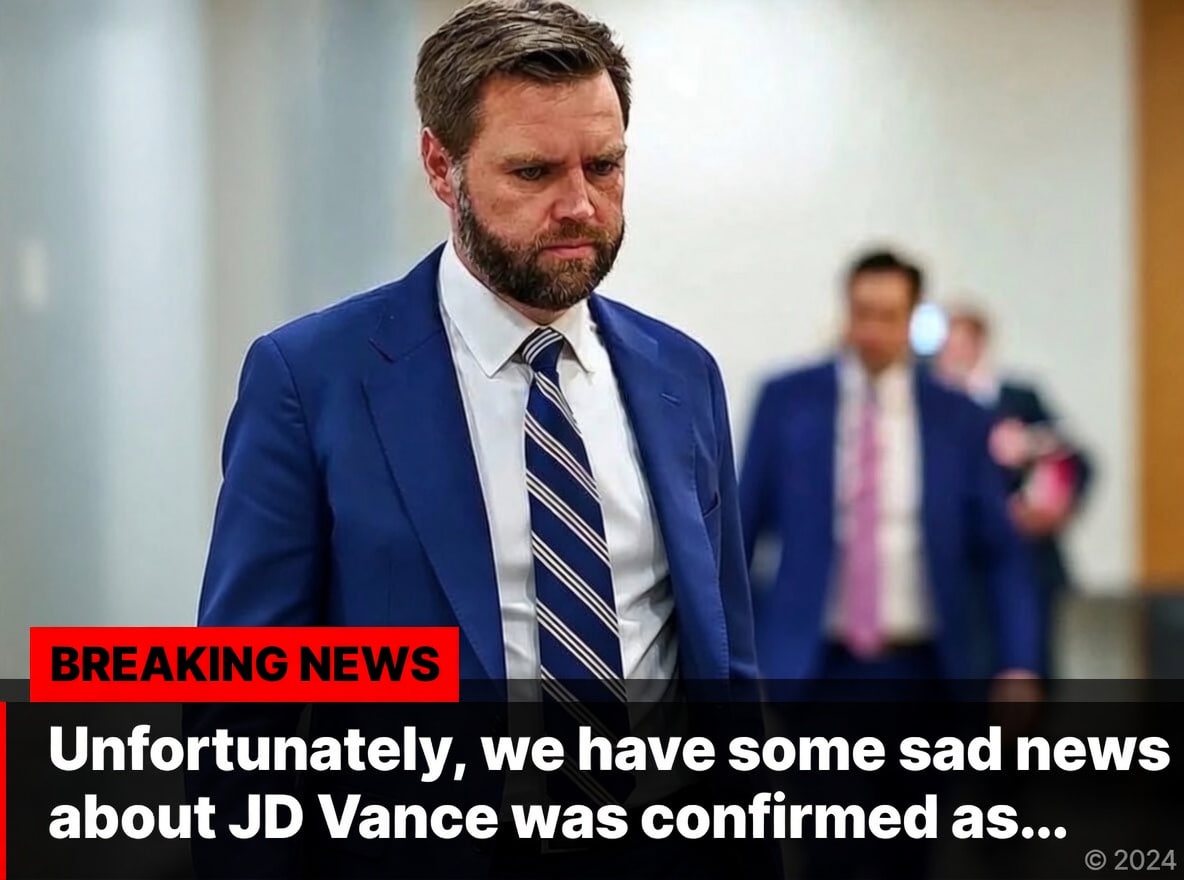
JD Vance Faces Backlash as UK Veterans Speak Out
Recent remarks by JD Vance have prompted a strong response across the United Kingdom, drawing reactions from political leaders, military figures, and members of the public. The discussion quickly broadened beyond the initial comments, focusing on their tone and the potential implications for long-standing relationships between allies.
Among those responding most directly were veterans and leaders within the defense community, including Johnny Mercer and Andy McNab. Both emphasized the long history of service and sacrifice by British forces, reflecting a wider sentiment that public statements should acknowledge the shared military experiences between the United Kingdom and the United States. Their responses underscored the importance many place on honoring that history with care and respect.
Senior voices such as Lord West and Patrick Sanders also weighed in, highlighting that strong international alliances are built not only on strategy and shared interests, but also on mutual understanding. Their comments pointed to the value of maintaining a diplomatic tone that reinforces trust between long-standing partners, particularly when discussing sensitive issues tied to national defense and military cooperation.
In the political sphere, James Cartlidge described the remarks as “deeply disappointing,” while James Cleverly and other Members of Parliament echoed calls for a more measured and constructive approach. Their responses reflected broader concerns about how public commentary can influence perceptions and relationships between allied nations.
Prime Minister Keir Starmer also addressed the situation, reaffirming the United Kingdom’s pride in its armed forces and stressing the importance of maintaining respectful, cooperative ties with allies, including the United States. His remarks aimed to reinforce stability and underscore the enduring strength of the transatlantic partnership.
The exchange has since sparked renewed discussion about the responsibilities that come with public leadership, particularly in matters involving diplomacy and military service. It serves as a reminder that even brief or isolated comments can carry significant weight, especially when they touch on areas shaped by history, trust, and shared values.