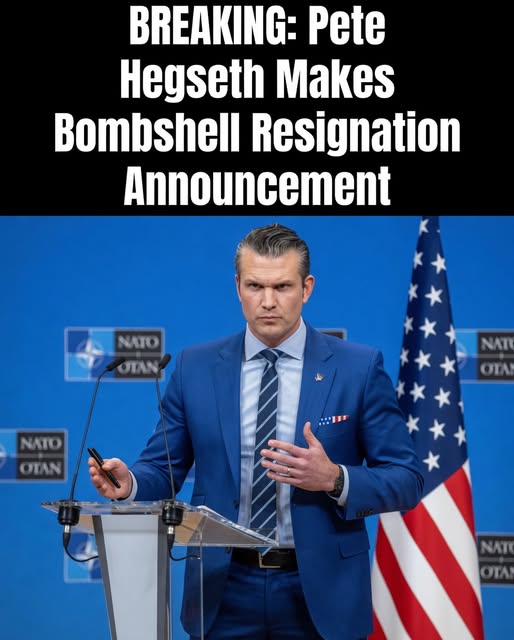
Pete Hegseth publicly criticized the media and what he described as “disgruntled former employees” amid ongoing controversy surrounding his alleged use of the Signal app to discuss sensitive military matters. Speaking during the White House Easter Egg Roll, Hegseth firmly denied reports claiming he shared intelligence about military operations in Yemen through a second Signal group chat. He emphasized that he remains aligned with Donald Trump and dismissed the accusations as politically motivated attacks based on anonymous sources.
Hegseth argued that media outlets, including The New York Times, were relying on unverified claims from former employees to damage his reputation. He framed the situation as part of a broader pattern of media behavior, accusing journalists of spreading “hit pieces” and attempting to undermine his efforts to reform the Department of Defense. According to Hegseth, such criticism would not deter his agenda of shifting control of the Pentagon back toward military personnel.
The controversy stems in part from a report that Jeffrey Goldberg, editor-in-chief of The Atlantic, was mistakenly included in a Signal chat involving senior officials discussing a military strike on Iran-backed Houthi forces in Yemen. Goldberg later published the messages, intensifying scrutiny over the administration’s handling of sensitive information. Additional reporting suggested Hegseth may have shared details of military operations in a separate chat involving family members, which he has denied.
Meanwhile, NPR reported that the White House was considering replacing Hegseth, citing an anonymous source. This claim was quickly rejected by White House Press Secretary Karoline Leavitt, who labeled the report “fake news” and reaffirmed Trump’s support for Hegseth.
Despite mounting criticism, Hegseth and the White House maintain that the allegations are unfounded and politically driven, insisting that leadership remains unified and focused on national defense priorities.