The Strait of Hormuz has once again become a focal point for global energy markets, as rising tensions in the Middle East place this narrow waterway under intense international scrutiny. Positioned between Iran and Oman, the strait links the Persian Gulf to the Gulf of Oman and the wider Arabian Sea. Despite its limited width, it remains one of the most strategically important shipping routes in the world.
Roughly one-fifth of the world’s daily oil supply typically moves through this corridor, making it essential to global energy stability. Any disruption can quickly influence fuel prices, supply chains, and broader economic conditions.
In early 2026, tensions escalated following a series of military developments involving the United States, Israel, and Iran. After reported strikes on Iranian targets, officials in Tehran, including forces linked to the Islamic Revolutionary Guard Corps, warned that ships passing through the strait could face serious risks.
These warnings led shipping companies and insurers to reassess operations. Many vessels avoided entering the area, causing tanker traffic to drop sharply—initially by around 70 percent, with further declines as uncertainty grew. The reduction in maritime movement quickly impacted global oil markets, as traders reacted to potential supply shortages.
Prices surged, with Brent crude oil climbing above $100 per barrel for the first time in years. The effects extended beyond trading floors, contributing to rising fuel costs for consumers in multiple countries, including the United States.
The crisis also affected liquefied natural gas shipments from Gulf producers, raising additional concerns about energy supply. Governments across Europe and Asia began closely monitoring the situation, given their reliance on energy flows through the strait.
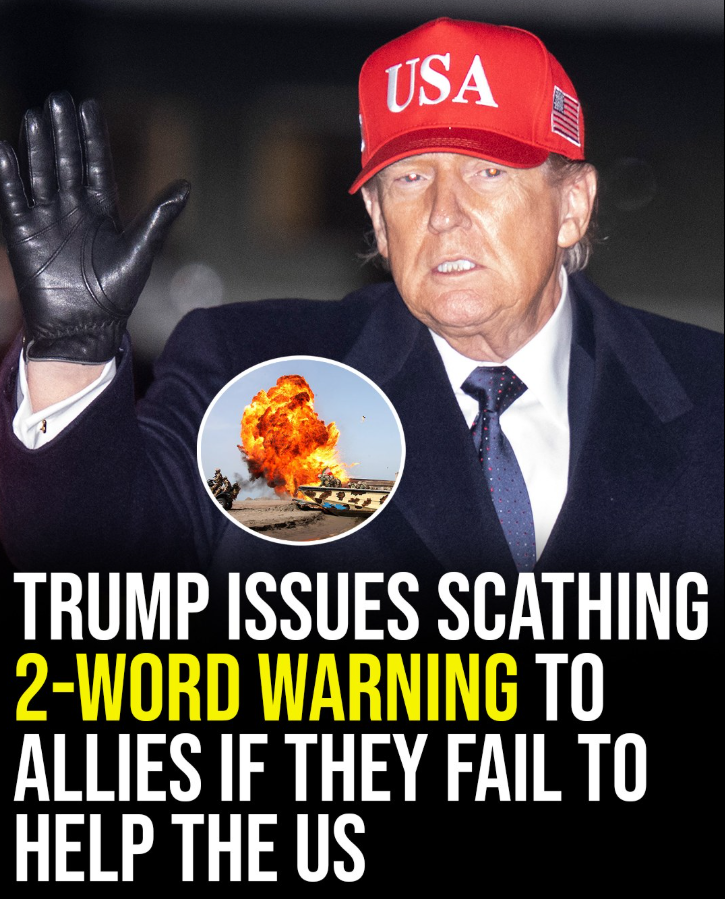
Amid rising uncertainty, Donald Trump called for stronger international cooperation to maintain safe passage. He argued that nations benefiting from the route—including European allies and major Asian economies—should share responsibility for protecting it. He also urged countries like China, a major oil importer, to take part in safeguarding maritime stability.
While some leaders supported coordinated security efforts, others warned that increased military involvement could heighten tensions. Meanwhile, oil exporters such as Saudi Arabia explored alternative routes, including pipelines to the Red Sea. However, these options remain limited and cannot fully replace the volume typically transported through the Strait of Hormuz.