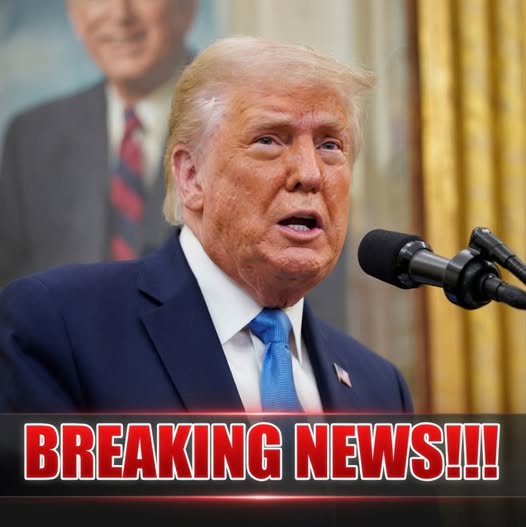
Donald Trump recently drew widespread attention after making striking comments about Cuba, suggesting the possibility of a “friendly takeover.” The remark, delivered during a media interaction in early March 2026, quickly spread across news platforms and social media, sparking intense debate. Supporters viewed his blunt language as a sign of authenticity and strength, while critics warned that such rhetoric could signal aggressive foreign policy intentions.
Trump’s statement—“It may be a friendly takeover. It may not be a friendly takeover”—came during a GOP event in Florida, where he also highlighted Cuba’s ongoing economic struggles. He pointed to shortages of money and resources on the island and hinted that the United States could play a decisive role in shaping its future. These comments echoed earlier remarks in which he predicted Cuba’s political system might soon collapse.
The context behind these statements is rooted in ongoing tensions. Cuba continues to face economic hardship, worsened by U.S. sanctions and reduced support from Venezuela. Widespread blackouts and rising food prices have intensified the crisis, leading analysts to consider whether increased U.S. pressure is part of a broader strategy to influence regime change.
Reactions have been sharply divided. Trump’s supporters praised his direct approach and firm stance against communist governments. Meanwhile, critics argued that the language was provocative and potentially destabilizing, raising concerns about military escalation and international backlash.
Ultimately, the comments highlight Trump’s characteristic communication style—unscripted, direct, and often polarizing. While such remarks energize his political base, they also contribute to uncertainty in global diplomacy. As tensions continue, the long-term implications for U.S.–Cuba relations and broader foreign policy remain unclear.