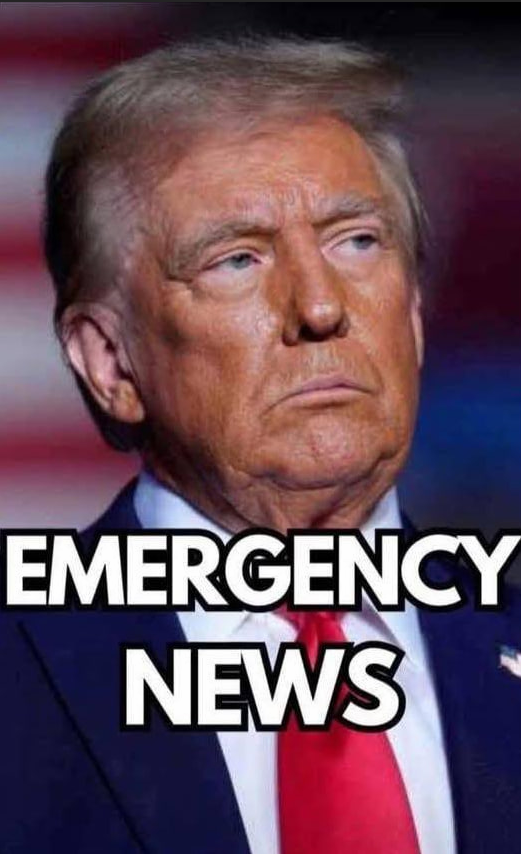
Debate spread across the United States after reports that the administration of Donald Trump signed an executive order targeting international students who take part in protests described by officials as anti-Israel. The measure, reportedly issued on March 8, 2026, would allow federal agencies to revoke visas and begin deportation proceedings against non-citizen students involved in demonstrations that authorities classify as hostile toward Israel. Supporters of the order argue that it is intended to address rising antisemitism on college campuses, while critics say the policy could undermine free speech and discourage open political debate in academic settings.
Under the framework of the order, immigration authorities would be permitted to cancel student visas if an individual is determined to have participated in activities labeled “anti-Israel.” Students affected by the decision could face expedited removal from the country, and in some cases they might receive long-term or even lifetime bans on re-entering the United States. The proposal has raised concern among civil liberties advocates, who warn that vague definitions of political expression could lead to uneven enforcement or punishment for peaceful protest.
The order also reportedly places pressure on universities. Institutions that fail to control or prevent demonstrations deemed hostile toward Israel could risk losing certain types of federal funding. Administration officials say the policy is designed to ensure campuses remain safe for Jewish students and to respond to reports of harassment connected to tensions surrounding the Middle East conflict. They argue that studying in the United States is a privilege, not a guaranteed right, and that international students must respect campus rules and federal law.
Opponents, however, contend that the policy may blur the line between combating antisemitism and restricting political speech. They warn that international students could face serious immigration consequences for participating in protests that would otherwise be protected forms of expression for U.S. citizens. As the debate continues, universities, advocacy groups, and policymakers are closely examining how the order might affect campus life, immigration policy, and the broader discussion about free speech in America.