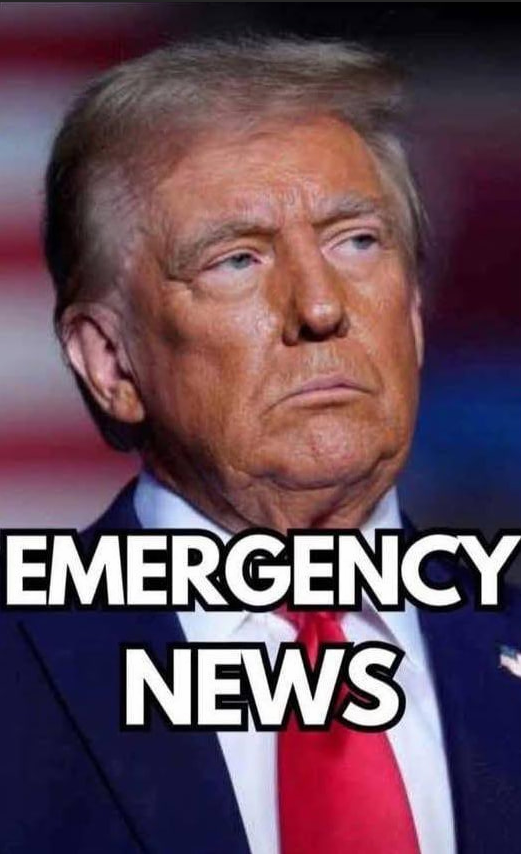
On March 8, 2026, U.S. President Donald Trump signed an executive order that has triggered intense debate across the country. The directive allows federal authorities to revoke visas and deport international students who participate in campus protests labeled as anti-Israel. Administration officials describe the measure as a strong response to rising concerns about anti-Semitism on American college campuses. Critics, however, argue that the policy threatens free expression and could silence legitimate political debate.
Under the order, federal agencies are instructed to use immigration laws to identify non-citizen students who engage in activities defined as anti-Israel. Once such involvement is determined, their student visas may be revoked, potentially leading to deportation and even a lifetime ban from reentering the United States. The policy also adopts a broad definition of anti-Semitism, which critics say may include certain forms of criticism directed at Israel. Universities that allow such protests could face federal investigations or risk losing government funding.
Supporters within the administration say the measure is intended to protect Jewish students and maintain a safe environment on campuses. Officials point to reports of harassment and tensions at universities since late 2023, arguing that stronger action is needed to prevent hostility and discrimination. From their perspective, studying in the United States is a privilege, and students who come from abroad are expected to respect the country’s standards of conduct.
Civil rights organizations strongly disagree with this approach. Groups such as the American Civil Liberties Union warn that the order could blur the line between hate speech and political criticism. They argue that threatening deportation for protest activity could create a chilling effect, discouraging international students from participating in discussions about complex global issues, including the Israeli-Palestinian conflict.
Universities now face difficult decisions. Some administrators fear losing federal funding if protests continue, while others are considering legal challenges against the order. International students, meanwhile, report feeling increasingly cautious about attending demonstrations or even discussing certain political topics on campus.
Legal battles over the policy are already beginning, and federal courts are expected to review the order in the coming months. The outcome could shape how free speech and immigration law interact on American campuses for years to come.