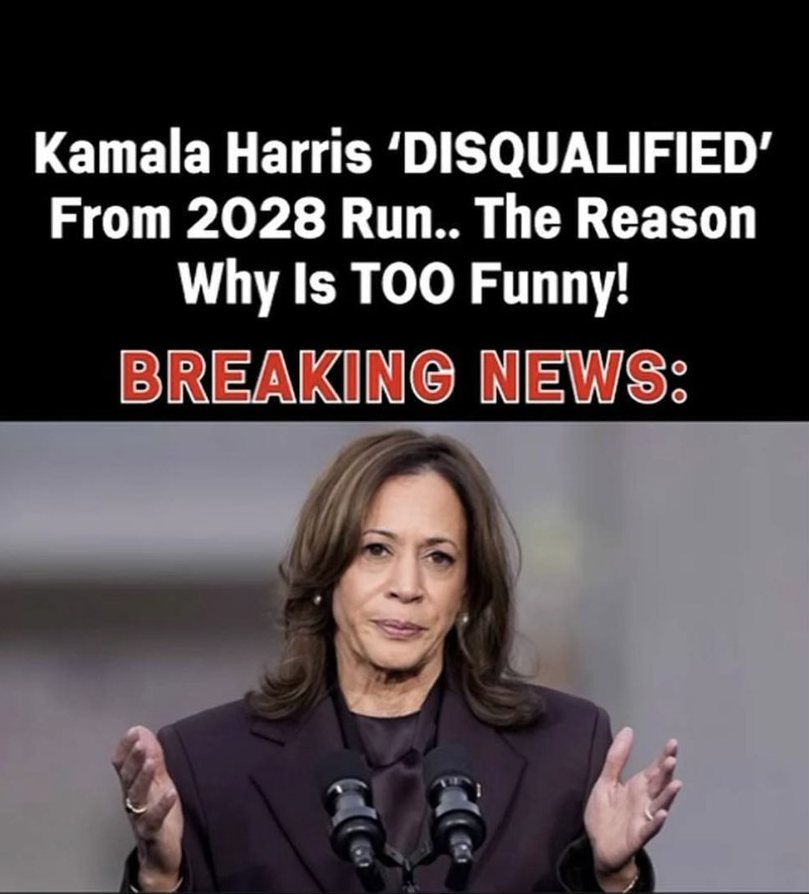
Debate is already beginning to take shape around the potential field for the 2028 Democratic presidential race, with several prominent voices urging the party to look toward a new generation of leadership.
Veteran Democratic strategist James Carville recently weighed in on the party’s future, suggesting that some familiar figures should reconsider presidential ambitions. Among those he referenced was Tim Walz, the current governor of Minnesota. Carville argued that the political landscape is shifting and that Democrats may benefit from elevating emerging leaders rather than relying on well-known names from previous election cycles. His comments reflect a broader conversation within the party about generational change and the direction Democrats should take heading into the next decade.
Media voices have echoed similar sentiments. Journalist and political commentator Al Hunt suggested that former president Joe Biden should step away from future presidential considerations and fully retire from electoral politics. The remark underscores growing calls from some party observers for a transition to fresh leadership as Democrats prepare for the next major national contest.
At the same time, several potential candidates have begun clarifying their positions. Wes Moore, who has often appeared in early speculation about future presidential contenders, recently confirmed that he has no plans to run for the White House in 2028. Moore emphasized that his priority remains governing Maryland and preparing for his reelection campaign next year. He also dismissed rumors that his travel around the country signals interest in a national ticket, explaining that those trips are primarily focused on promoting Maryland’s economic and policy interests.
Other prominent Democrats continue to attract attention as possible contenders. Gavin Newsom is frequently mentioned in early discussions about the party’s future leadership, while former Transportation Secretary Pete Buttigieg remains active in national political conversations. Buttigieg has appeared regularly in media interviews and public forums, discussing policy ideas and voter engagement efforts, though he has avoided making any formal declaration about a presidential campaign.
In an interview with the Washington Examiner, Buttigieg said his current focus is on sharing ideas and encouraging civic participation rather than planning a campaign. He noted that it is far too early to determine what his future political role might be.
Taken together, these developments suggest the Democratic Party may be entering a transitional period. As speculation builds around the 2028 election, attention is likely to center on emerging leaders, evolving party priorities, and the strategies Democrats adopt to energize voters and shape their next presidential primary.