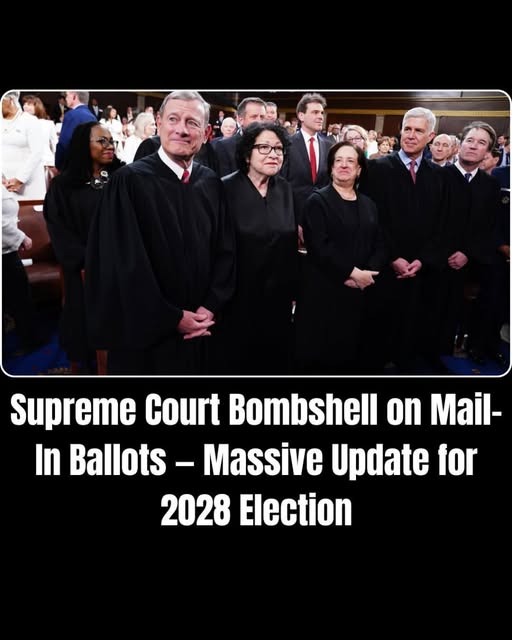
SCOTUS to Define Election Day: The Battle Over Post-Deadline Mail Ballots
The U.S. Supreme Court has agreed to hear the critical election law case, Watson v. Republican National Committee, which will determine whether states can legally count mail-in ballots received after Election Day. This ruling carries significant implications for federal elections, particularly heading into the 2026 midterms. The petition, led by Mississippi Secretary of State Michael Watson, challenges state practices by arguing that Congress explicitly defined a single, nationwide Election Day, and that states lack the authority to extend the counting period beyond that date. Currently, 18 states accept late-arriving ballots, provided they were postmarked by the official deadline.
The dispute centers on how far federal law preempts state election management authority. The U.S. Court of Appeals for the Fifth Circuit previously ruled that the federal statute overrides state provisions, effectively requiring ballots to be *received* by the deadline, not just mailed. Supporters of this view, including Judicial Watch President Tom Fitton, argue that counting late ballots violates federal law, encourages fraud, and undermines public confidence in the electoral process. Conversely, opponents argue that stricter deadlines disenfranchise military personnel, rural residents, and others reliant on the postal system.
This case reflects the ongoing partisan battle over mail-in voting expansion. Legal observers anticipate Watson v. RNC will be highly consequential, offering the Court’s conservative majority an opportunity to set clearer national standards. If the Supreme Court upholds the Fifth Circuit’s conclusion, many states will be forced to overhaul their systems and tighten deadlines before November 2026, defining precisely when Election Day ends.