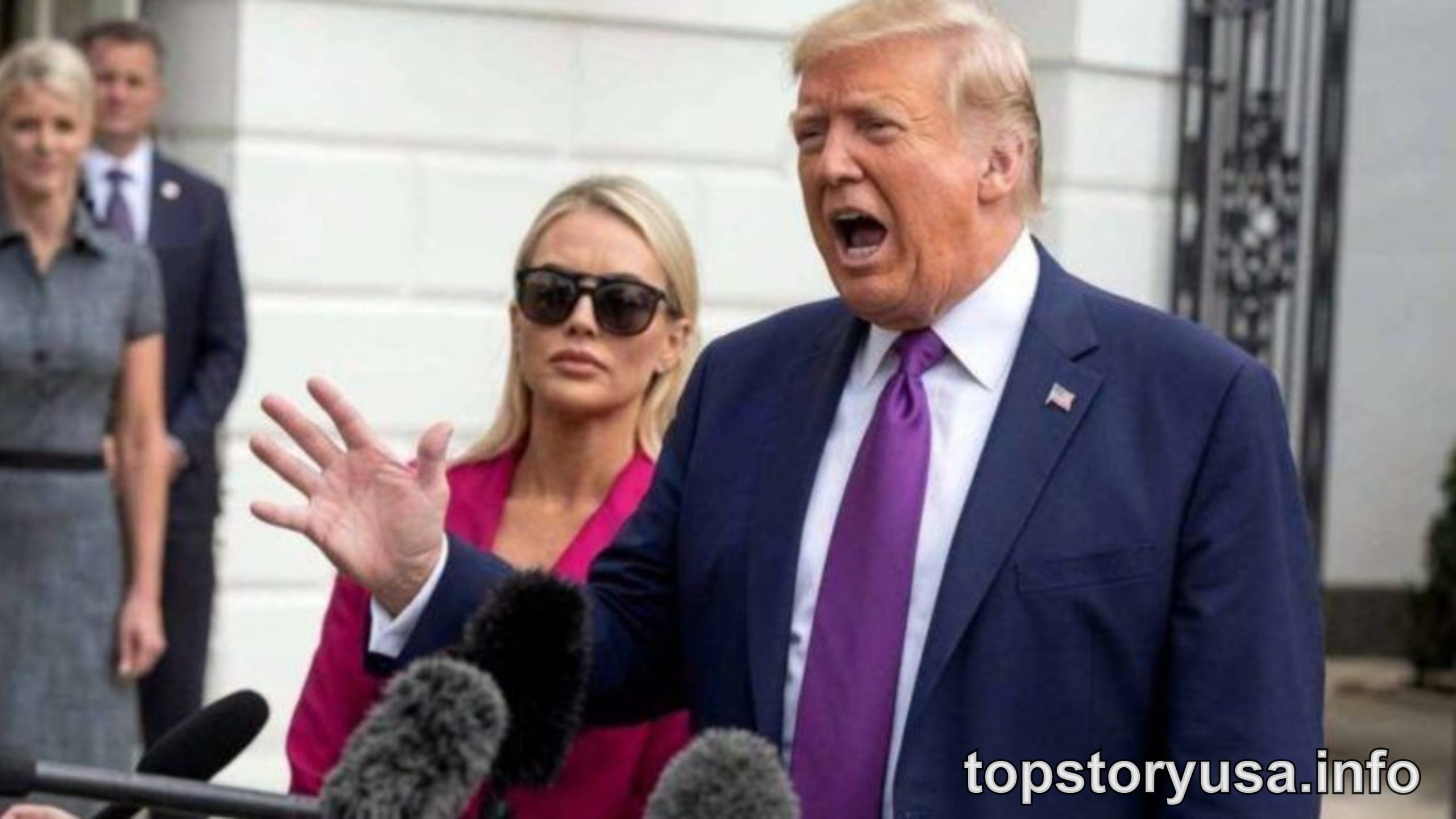
Federal prosecutors have charged former President Donald Trump with conspiracy to defraud the United States and obstruct the 2020 election certification, marking the first time a former president has faced criminal charges for post-presidency conduct.
The indictment alleges Trump engaged in a scheme to interfere with constitutional voting rights following his 2020 election loss. Prosecutors contend Trump conspired to overturn the election results during the period between the election and the transfer of power to President Joe Biden.
The Charges
The charges include conspiracy to defraud the United States and obstruction of the certification process in Congress. The indictment centers on Trump’s actions and statements during the transition period leading to Biden’s inauguration.
Legal experts say the case represents a defining moment in American legal and political history. The proceedings will likely shape discussions about presidential power and democratic accountability for years to come.
Divided Response
The prosecution has split Americans along partisan lines. Supporters of the charges argue they represent necessary accountability, asserting that no citizen-regardless of prior office-stands above the law.
Critics characterize the case as politically motivated and contend it unfairly targets a former president and sitting presidential candidate. They argue the prosecution sets a dangerous precedent for future administrations.
What Comes Next
The case will proceed through federal courts with focus on legal arguments, evidence, and witness testimony. The trial outcome may influence how future administrations approach contested elections and the scope of presidential authority.