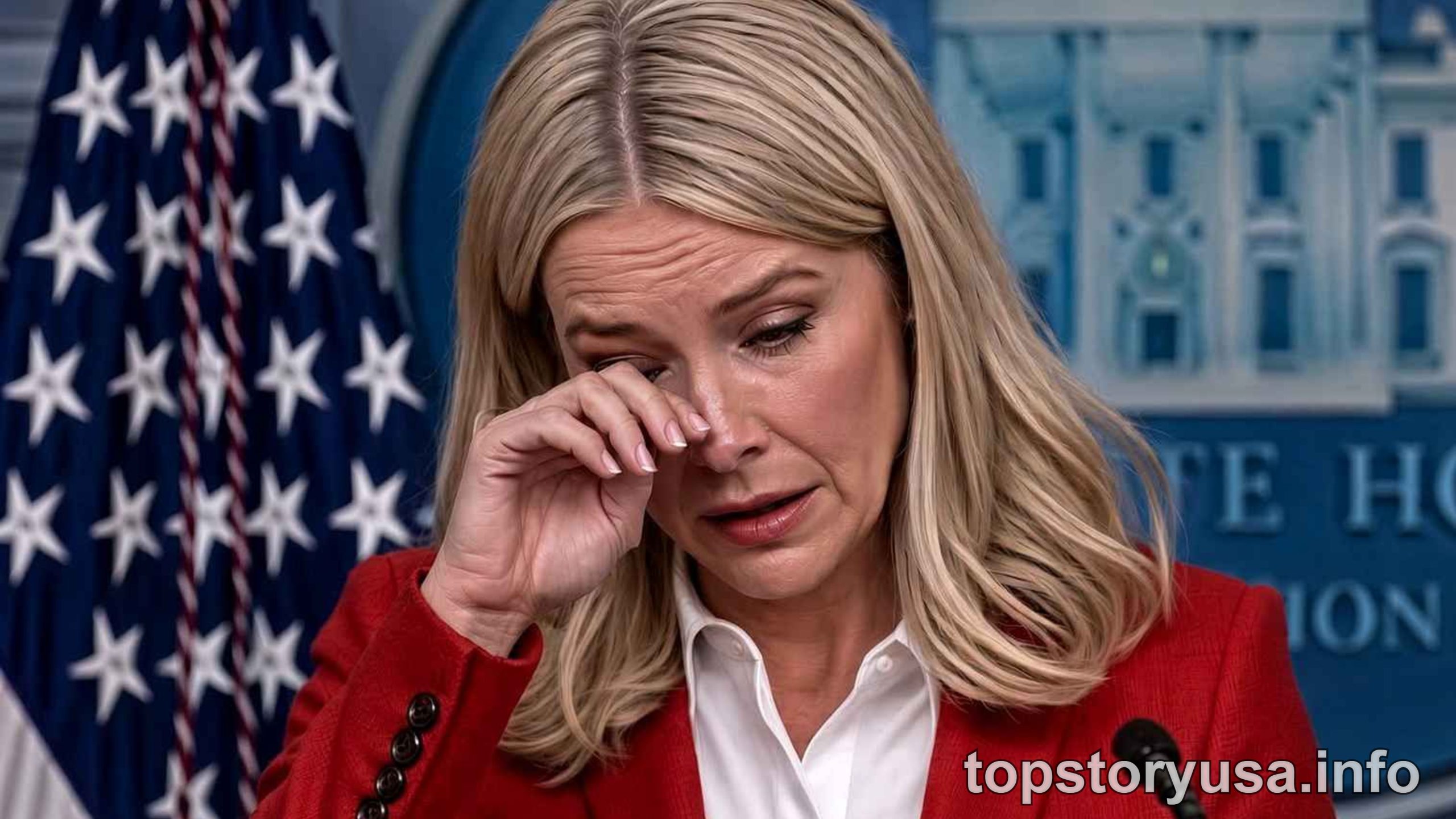
FEMA leadership underwent a significant change after the agency’s director publicly defended the federal government’s role in disaster response during congressional testimony.
The Trump administration removed the FEMA director following his testimony before Congress, where he emphasized the agency’s critical function in coordinating federal resources during major disasters. His statements appeared to conflict with the administration’s broader push to restructure federal emergency management and shift greater responsibility to individual states.
What Happened
During congressional testimony, the FEMA director highlighted the agency’s role in deploying resources when communities face hurricanes, floods, wildfires and tornadoes. He defended FEMA’s continued involvement in disaster coordination at a time when administration officials were proposing significant reductions in the federal government’s emergency-response footprint.
The leadership change underscores the administration’s commitment to pursuing major reforms at FEMA. Emergency-management professionals and former officials have warned that reducing federal involvement could create serious challenges during large-scale disasters.
The Administration’s Vision
Administration officials have argued that the federal government has become too deeply involved in disaster response and that states should assume greater responsibility for emergency preparedness. The administration contends that state governments are often better positioned to understand local risks and deploy resources efficiently.
Supporters of decentralizing disaster management say the approach could reduce federal spending and give states greater flexibility to design emergency-response systems tailored to their communities. FEMA has faced criticism in recent years over its spending, operations and broad responsibilities, including expenditures related to emergency housing and migrant programs.
The Counterargument
Critics warn that disasters frequently overwhelm state and local resources, particularly when multiple communities are affected simultaneously. Major hurricanes, catastrophic wildfires and widespread flooding require enormous amounts of equipment, personnel and funding that some states may struggle to provide independently.
Emergency-management experts have cautioned that a diminished federal role could create gaps in response capabilities, especially in less affluent or disaster-prone states. These officials argue that Washington provides essential coordination, funding and logistical capabilities that states cannot always replicate.
What This Means
The debate extends beyond personnel decisions or a single agency. At its core lies a fundamental question about how the United States should divide responsibility for protecting communities during disasters.
For millions of Americans living in areas vulnerable to natural disasters, the outcome could have significant consequences. The leadership change indicates the administration is prepared to challenge FEMA’s traditional role and potentially reshape the nation’s disaster-response system for years to come.