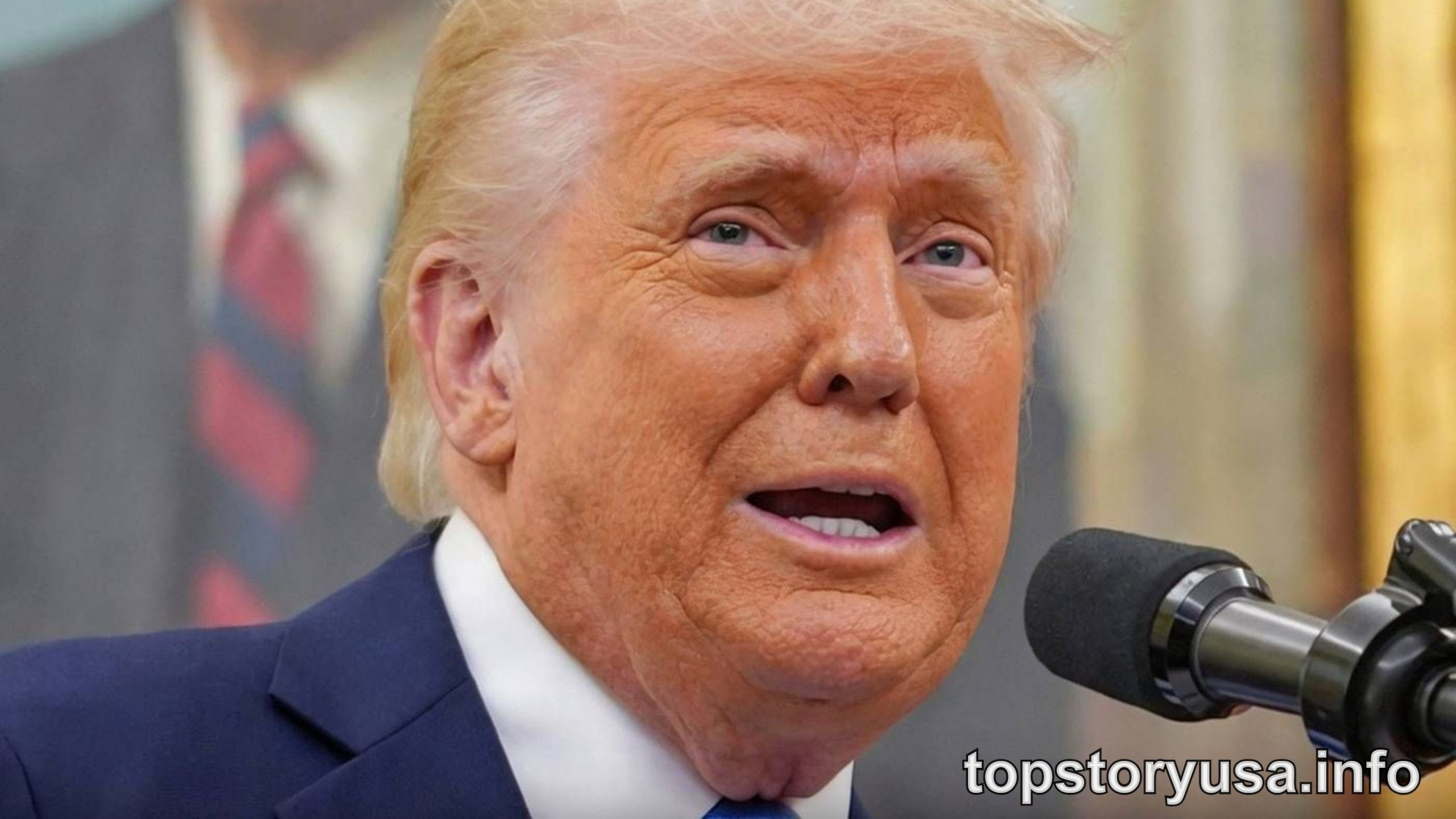
Former President Donald Trump made explicit on-camera remarks suggesting retaliation against news organizations, marking an unprecedented direct threat to press freedom captured live.
Trump’s comments emerged after he criticized media coverage of a failed Iran operation, describing the reporting as “out of control.” His remarks targeted journalists he claimed had treated him unfairly and hinted at “changes” and potential consequences for negative press coverage.
What Trump Said
The former president’s statements went beyond typical partisan criticism of news outlets. Instead, they suggested the use of presidential power to punish specific news organizations for their coverage decisions.
Trump’s remarks were deliberate and specific, captured on camera during public remarks. The comments represented a significant departure from how previous political leaders have historically addressed media criticism.
Response From Press Advocates
Press freedom organizations, including the Committee to Protect Journalists, quickly responded to the remarks. “When leaders frame the media as an enemy to be controlled rather than a watchdog to be tolerated, it chills reporting far beyond Washington,” advocates said in a statement.
Legal experts and First Amendment scholars raised concerns about the potential impact on investigative journalism. They warned that such rhetoric could discourage aggressive reporting on government actions without fear of retaliation.
What This Means
The long-term implications of Trump’s statements may extend beyond the immediate political moment. Repeated framing of press independence as a threat could gradually reduce institutional protections for news organizations conducting oversight of government activities.