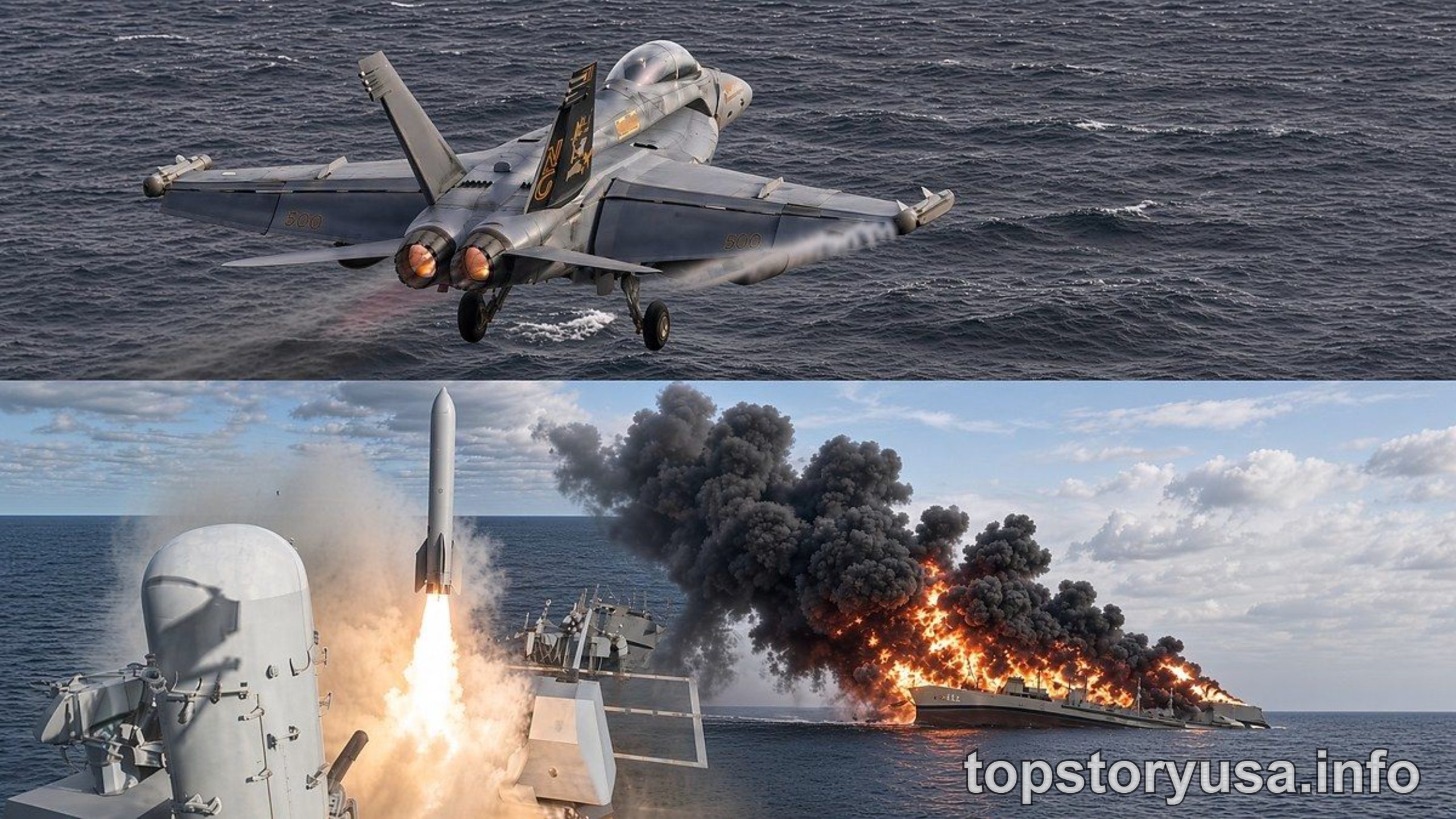
The United States and Iran face mounting tensions over the Strait of Hormuz, a critical shipping corridor that has become a flashpoint as military operations, economic sanctions and diplomatic stalemate collide.
The waterway serves as a major route for global energy shipments, and recent confrontations between U.S. and Iranian forces have severely disrupted commercial traffic. Reuters reported that average daily vessel traffic fell to its lowest level since May following attacks near the strait, as tensions over maritime control intensify between Washington and Tehran.
What Happened
Military clashes between U.S. and Iranian forces have escalated in recent days, with strikes targeting Iranian positions and retaliatory attacks in response. Incidents involving both commercial and military vessels near the Strait of Hormuz have raised safety concerns for international shipping operations.
Iran’s crude oil exports through the strait have been severely restricted, with Reuters reporting roughly seven weeks without meaningful shipments. The disruption reflects the broader economic and military pressure Washington has applied through sanctions and naval operations.
Diplomatic Efforts Stall
Diplomatic negotiations between the United States and Iran have produced limited progress despite ongoing contacts. U.S. Energy Secretary Chris Wright said Sunday that Washington might not reach a new nuclear agreement with Tehran under current circumstances, describing negotiations as stalled.
Previous discussions between Iran and Oman had explored arrangements to restore predictable maritime traffic through the strait. However, broader disputes over Iran’s nuclear program, sanctions relief and shipping security remain unresolved.
Economic Pressure Intensifies
The Trump administration has escalated its economic campaign against Iran through expanded sanctions and naval blockade measures. Iranian officials have acknowledged growing economic difficulties, including foreign currency shortages, declining imports and rising prices.
Uncertainty over shipping through the Strait of Hormuz has contributed to volatility in global energy markets, extending the economic impact beyond Iran. The disruption affects energy prices and supply chains worldwide as regional tensions persist.
What This Means
The confrontation remains unresolved, with no confirmed comprehensive agreement between Washington and Tehran in sight. Military and economic pressure continues alongside diplomatic contacts, though a durable settlement requires difficult negotiations on security, nuclear restrictions, sanctions and freedom of navigation.
The path forward remains uncertain as tensions continue to shape the region and influence global energy markets.