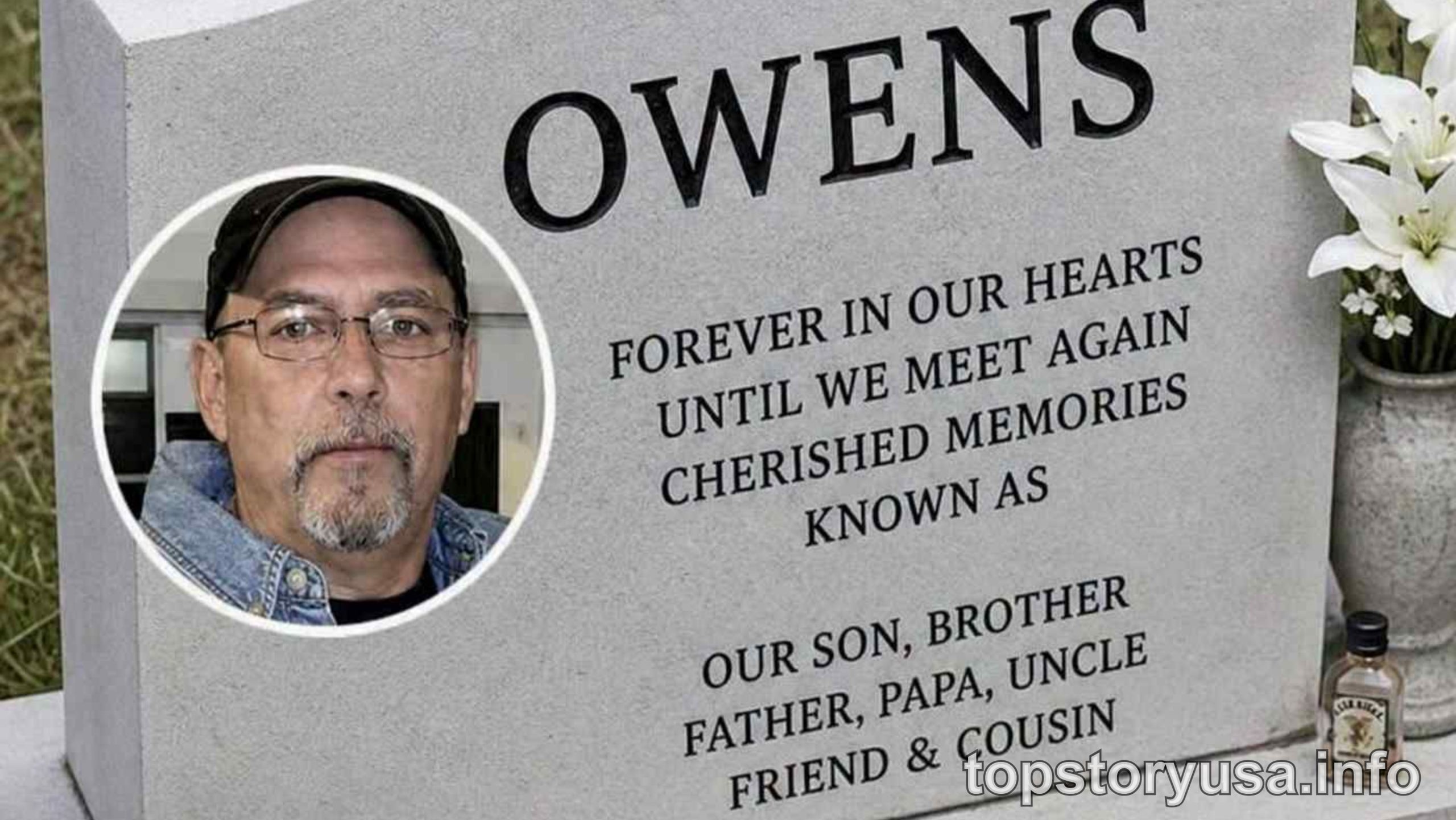
A hidden profanity carved into a father’s gravestone has divided a cemetery community over questions of grief, legacy, and who controls how the dead are remembered.
The acrostic message, discovered on the monument, was intended as a private tribute from the man’s children. Cemetery officials now threaten removal, citing concerns about maintaining the grounds’ solemnity and setting precedent for future burials.
The Family’s Defense
To the deceased’s relatives, the carved message represents an authentic piece of who their father was-a mischievous spark preserved in stone after his death. “Erasing the joke would erase a piece of him,” the family has argued, viewing the inscription as an act of love rather than desecration.
The family has refused requests to remove or alter the gravestone, standing firm that they alone should control how their loved one is memorialized. Their position reflects a broader tension between personal authenticity and public expectation in how people choose to honor the dead.
Cemetery Leadership’s Concerns
Cemetery trustees worry the inscription sets a troubling precedent for future monuments. Officials fear that allowing one profanity could lead to gradual erosion of the grounds’ respectful atmosphere and shared community standards.
The dispute has drawn legal attention, with lawyers now involved in negotiations between the family and cemetery administration. Neither side has indicated willingness to compromise on the core issue.
What This Means
The standoff raises fundamental questions about who ultimately controls a person’s legacy and memory. It pits the grieving family’s right to personalize memorials against institutional concerns about maintaining public spaces that serve diverse mourners.