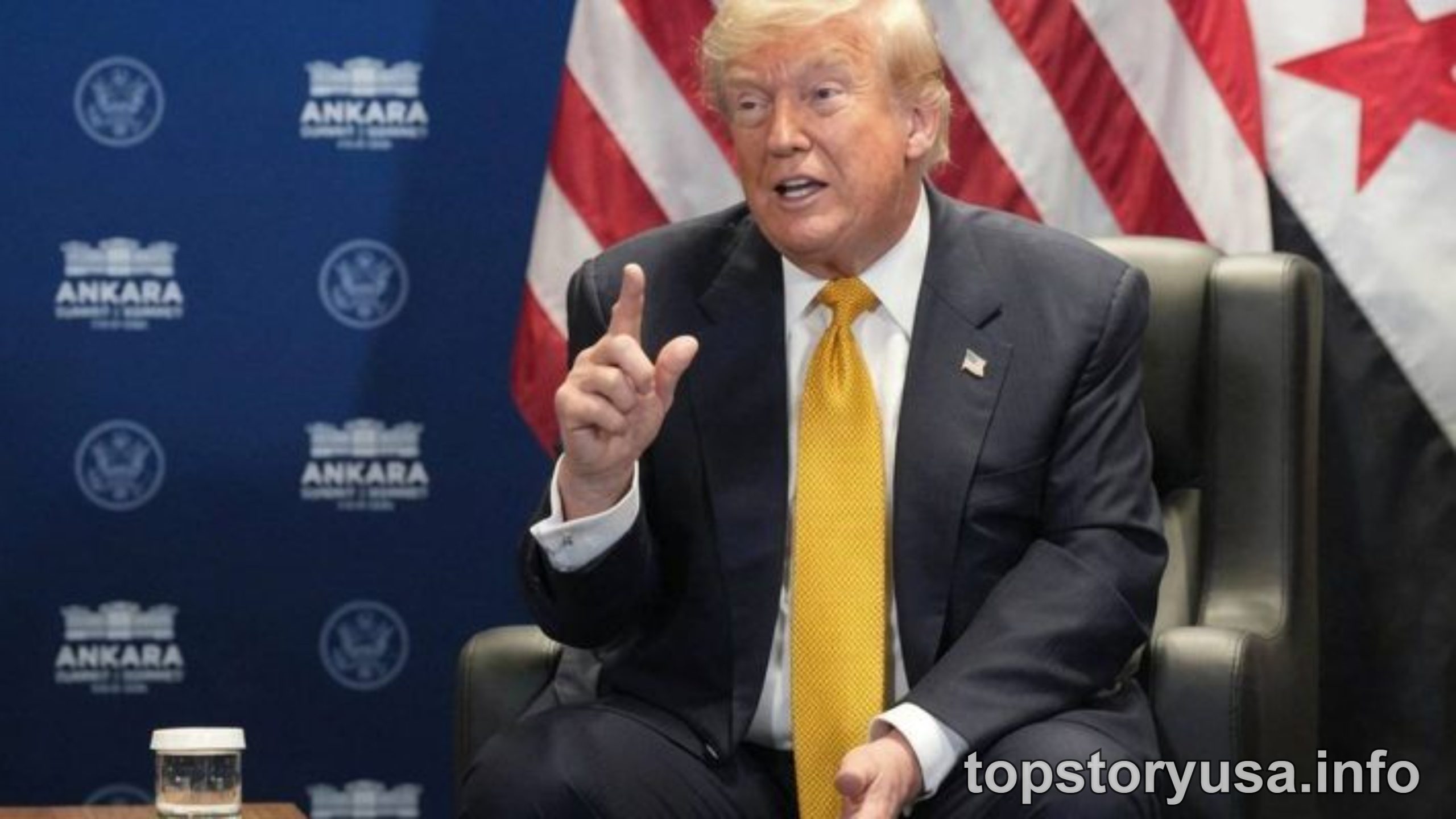
Former President Donald Trump warned Iran of severe military consequences if the country attempts to assassinate him, stating he has left instructions for a devastating response.
Trump made the statement after U.S. intelligence officials confirmed Iran had renewed threats against his life. The warning represents a direct deterrence message delivered without diplomatic intermediaries.
The Threat Assessment
“Bomb them at levels they’ve never seen before,” Trump said, referencing potential military action against Iranian targets. Trump has survived three assassination attempts during his political career.
U.S. intelligence agencies have tracked Iranian operatives attempting to enter the country through the southern border. Trump recently changed aircraft at a NATO event, a decision observers attribute to credible threat intelligence.
The Deterrence Strategy
Deterrence theory relies on making the consequences of hostile action so clear that decision-makers choose restraint. Trump’s statement eliminates ambiguity about potential U.S. response protocols.
Iran has previously experienced significant military damage, including destruction of nuclear facilities and air defense systems. Any escalation by the Trump administration would exceed previous strikes in scale and scope, according to the former president’s statement.
The Succession Question
If Trump were killed, Vice President JD Vance would inherit authority to execute any pre-written instructions regarding military response. Vance has consistently taken a hardline stance on Iran policy.
Pre-written directives carry weight, but the sitting Commander-in-Chief retains final decision-making authority. Officials familiar with Vance’s position suggest he would not pursue a more restrained approach than Trump.
Iran’s Divided Approach
Iran has simultaneously pursued diplomatic negotiations while maintaining public calls for Trump’s assassination. The contradiction reflects Tehran’s divided approach to U.S. relations.