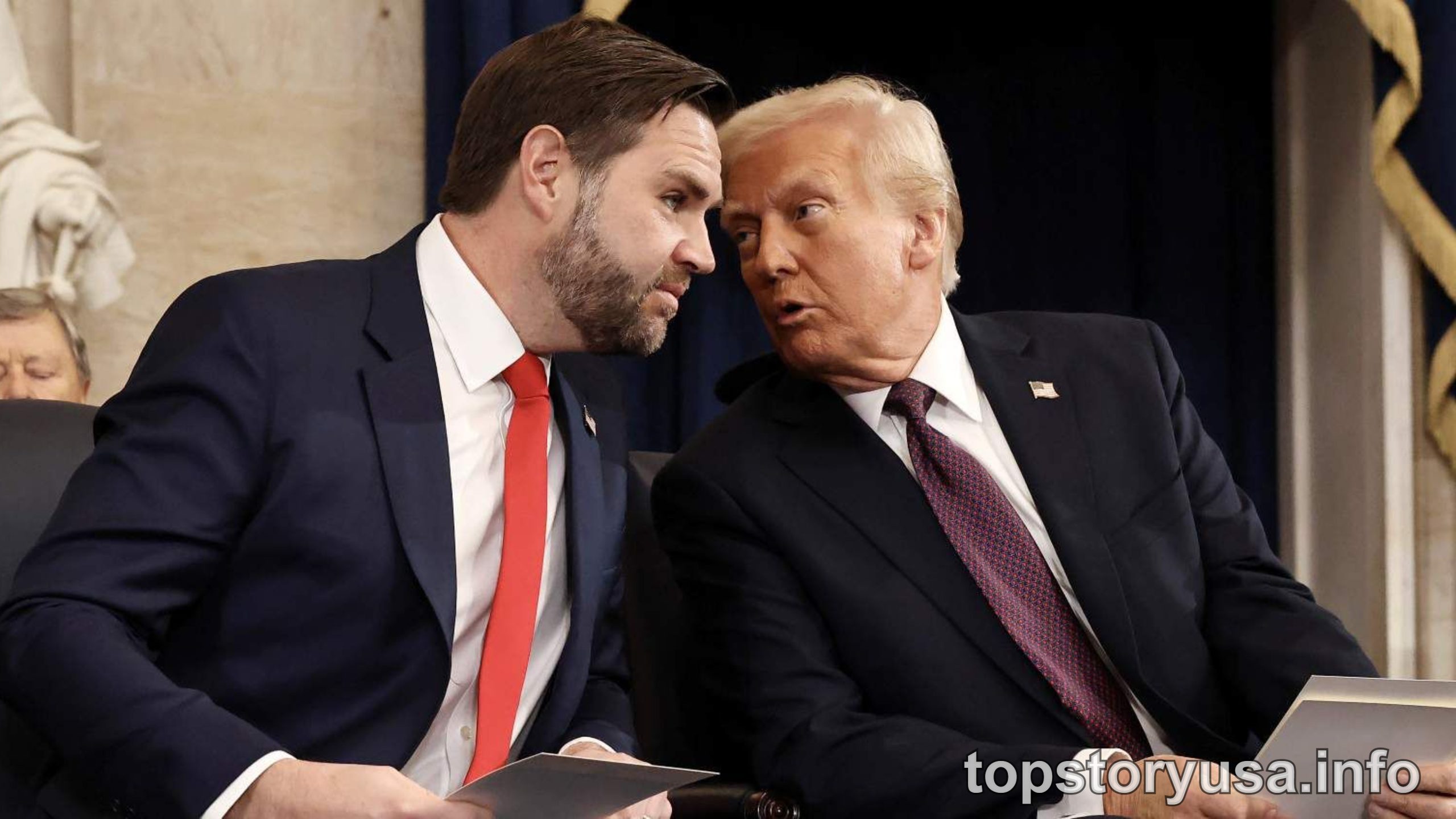
President Donald Trump met with Iraq’s newly elected Prime Minister Ali al-Zaidi at the White House on Tuesday to discuss economic cooperation, oil investments, and counter-Iranian operations in the region.
The two leaders focused on strengthening bilateral ties through expanded oil sector partnerships and addressing the influence of Iranian-backed militias. Trump expressed optimism about increased American corporate involvement in Iraq’s energy sector.
What Trump Said
Trump stated that major oil companies are moving into Iraq with new partnerships and that the relationship would strengthen significantly. “We will have a strong partnership with Iraq in the field of oil and we will announce it soon. Oil companies will enter Iraq at unprecedented levels,” Trump said.
Regarding military presence, Trump indicated a reduced need for large-scale U.S. troop deployments. “I don’t think we need to be militarily present in Iraq. We’re there to protect them if need be, but we don’t think that’s going to be necessary,” he declared.
Trump characterized Iran’s regional role as harmful to Iraq and other Middle Eastern nations. “Iran was a big burden on Iraq… but they’re not going to have that problem anymore. Iran is a burden on Iraq because it is a bully to Middle Eastern countries,” Trump said.
Who Is Al-Zaidi
Al-Zaidi brings a business background to the Iraqi leadership position, with no prior political experience. Victoria Taylor, director of the Atlantic Council’s Iraq Initiative, said al-Zaidi has been called the “Trump of the Middle East” due to his outsider status and billionaire wealth.
However, Taylor cautioned that the reality of governing Iraq proves far more complex than his business credentials suggest. “The reality is much more complicated,” Taylor said, noting that al-Zaidi was selected by Iraq’s existing political establishment and remains accountable to that system.
She emphasized the significant challenges ahead for the new prime minister, particularly in dismantling entrenched political corruption and confronting Iranian-backed military factions.
The Energy Agreement
A major energy infrastructure deal is expected to be finalized Friday involving Iraq, American firms Chevron and TI Capital, and Qatar’s UCC. The agreement will establish an oil pipeline connecting southern Iraq’s Basra region through western Iraq’s Haditha to Turkey’s Ceyhan port and Syria’s Baniyas port.
The proposed pipeline would transport approximately 2 million barrels of oil daily, according to two Iraqi officials who requested anonymity due to lack of authorization to discuss the project publicly.