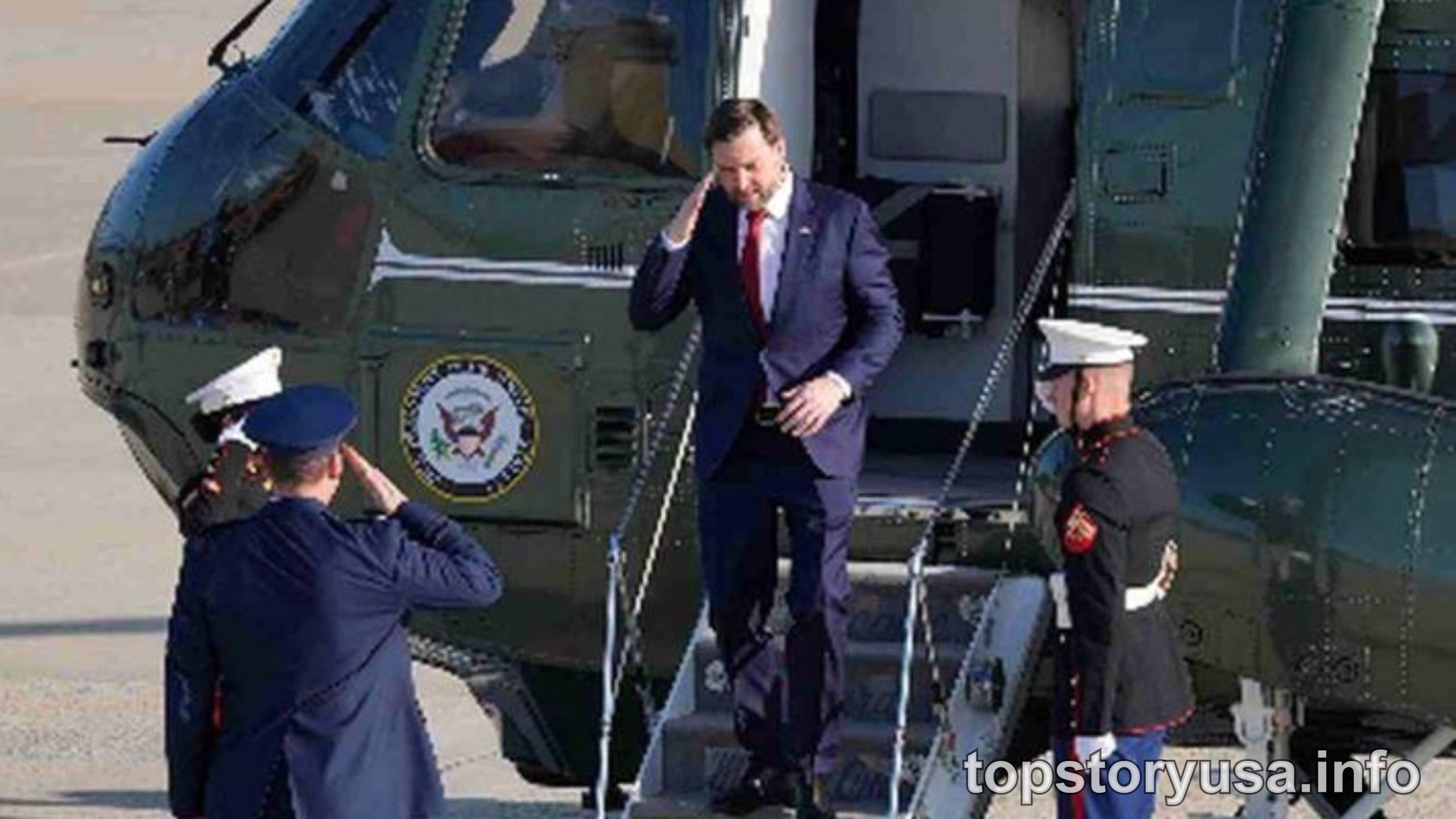
Vice President JD Vance was recalled to the White House on Tuesday, delaying his planned trip to lead U.S. negotiations with Iran in Islamabad amid uncertainty over Iranian participation.
Vance was expected to depart for Pakistan’s capital to head a negotiating team, but received an unexpected summons back to Washington. CNN’s reporting indicates the trip’s status remains unclear, with officials unable to confirm whether it will proceed at all.
What Happened
Vance will attend policy meetings at the White House on Tuesday instead of boarding the scheduled flight to Islamabad, according to sources familiar with the decision. “We don’t know if this trip is definitely off,” CNN correspondent Alayna Treene reported. “All we do know is that it is definitely delayed.”
The vice president previously stated that Iranian officials refused to commit to abandoning nuclear weapons development, the central demand from the U.S. negotiating position. “The bad news is that we have not reached an agreement,” Vance said, “and I think that’s bad news for Iran, much more than it’s bad news for the United States of America.”
Iran’s Position
Pakistan’s mediators remain in contact with Iranian officials, though no formal confirmation of Iran’s participation has been received as of Tuesday. Pakistani Foreign Office Spokesperson Mumtaz Zahra Baloch said a “formal response from the Iranian side about confirmation of delegation to attend Islamabad Peace Talks is still awaited.”
Iranian President Masoud Pezeshkian criticized negotiations on social media, writing that the U.S. understanding of Iran’s position was lower than expected. His public skepticism suggests potential obstacles to reaching a diplomatic settlement.
Military Escalation
The U.S. military has expanded its maritime operations, with U.S. Central Command directing 28 ships to turn around or return to port near Iranian waters. A U.S. official indicated that any vessels entering Iranian ports would face difficulty departing due to the ongoing blockade in the Gulf of Oman.
A two-week ceasefire between the U.S., Israel, and Iran is set to expire Wednesday, with no indication President Trump intends to extend it. Trump told CNBC he prefers pursuing a permanent agreement rather than continuing temporary arrangements.
Diplomatic Efforts
U.S. Chargé d’Affaires Natalie Baker met with Pakistani Deputy Prime Minister Ishaq Dar on Tuesday to discuss continued diplomatic efforts. Pakistan’s Foreign Ministry stated that Dar “underscored Pakistan’s consistent emphasis on dialogue and diplomacy as the only viable means to address challenges and achieve lasting regional peace.”
Dar urged both the U.S. and Iran to extend the ceasefire and commit to continued negotiations. Trump has signaled resistance to such an extension, instead pushing for what he describes as a comprehensive resolution.