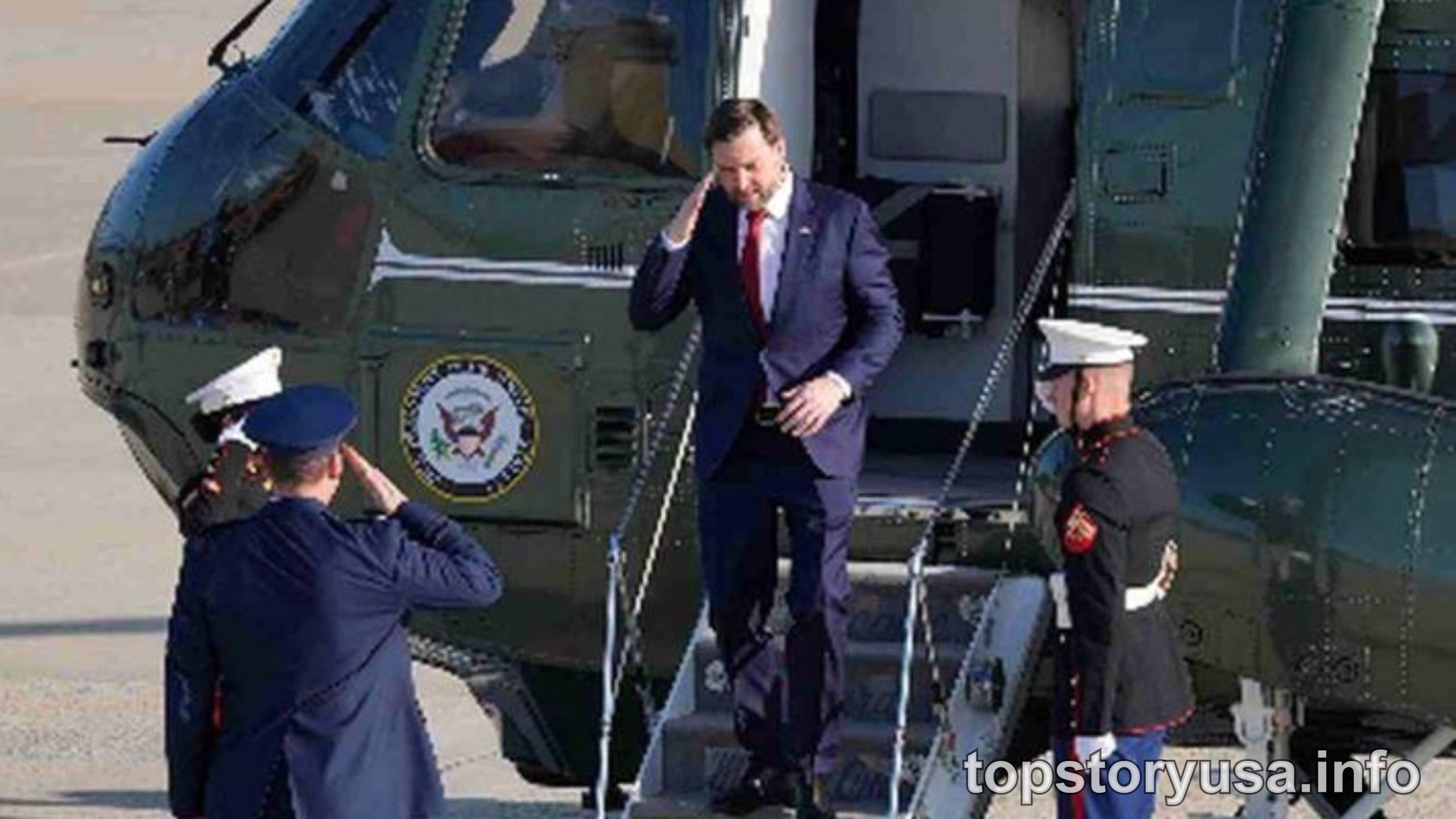
Vice President JD Vance was recalled to the White House on Tuesday, delaying his planned departure to lead nuclear negotiations with Iran in Islamabad amid uncertainty over Tehran’s participation in the talks.
Vance was expected to board a flight to Pakistan’s capital to head a U.S. negotiating team, but was unexpectedly summoned back to address questions about Iran’s willingness to engage in discussions. The shift underscores mounting tensions as a two-week ceasefire between the United States, Israel, and Iran approaches its Wednesday expiration.
What Happened
CNN’s Alayna Treene reported that Vance will attend policy meetings at the White House instead of traveling to Islamabad as previously scheduled. “We don’t know if this trip is definitely off,” Treene said. “All we do know is that it is definitely delayed and that we should expect to see now the vice president at the White House for meetings today, not leaving this morning on that plane.”
The delay came after Iran rejected a key American demand during preliminary discussions. Vance stated that Iranian officials refused to provide an “affirmative commitment” that the country would not pursue nuclear weapons development. “The bad news is that we have not reached an agreement,” Vance said. “And I think that’s bad news for Iran, much more than it’s bad news for the United States of America.”
Iran’s Stance Unclear
Pakistan, which has led mediation efforts for weeks, said it was still awaiting formal confirmation from Iran about sending a delegation to the Islamabad talks. Pakistani Foreign Ministry spokesperson Mumtaz Zahra Baloch said officials remained in “constant touch” with Iranian counterparts and stressed the talks were “critical.”
Iranian President Masoud Pezeshkian criticized the negotiations on social media, writing, “The level of understanding and comprehension of the requesters from Iran regarding their presence in Islamabad is even lower than Trump’s level of understanding and comprehension.” The statement suggested deepening skepticism from Tehran about the negotiation process.
Diplomatic Pressure Mounting
U.S. Chargé d’Affaires Natalie Baker, who leads the American embassy in Islamabad, met with Pakistani Deputy Prime Minister Ishaq Dar on Tuesday to discuss the stalled diplomatic efforts. Dar emphasized Pakistan’s commitment to dialogue and urged both sides to consider extending the ceasefire beyond Wednesday.
The U.S. military has escalated pressure through a naval blockade, with U.S. Central Command reporting that American forces ordered 28 ships to turn around or return to port near Iranian waters. A U.S. official indicated that any vessels entering Iranian ports would face difficulty departing through the Gulf of Oman amid the blockade.
Trump’s Position
President Trump has signaled reluctance to extend the ceasefire, preferring instead to pursue a permanent agreement. “We don’t have that much time,” Trump told CNBC regarding the two-week pause. “Iran can get themselves on a very good footing if they make a deal. They can make themselves into a strong nation again, a wonderful nation again.”