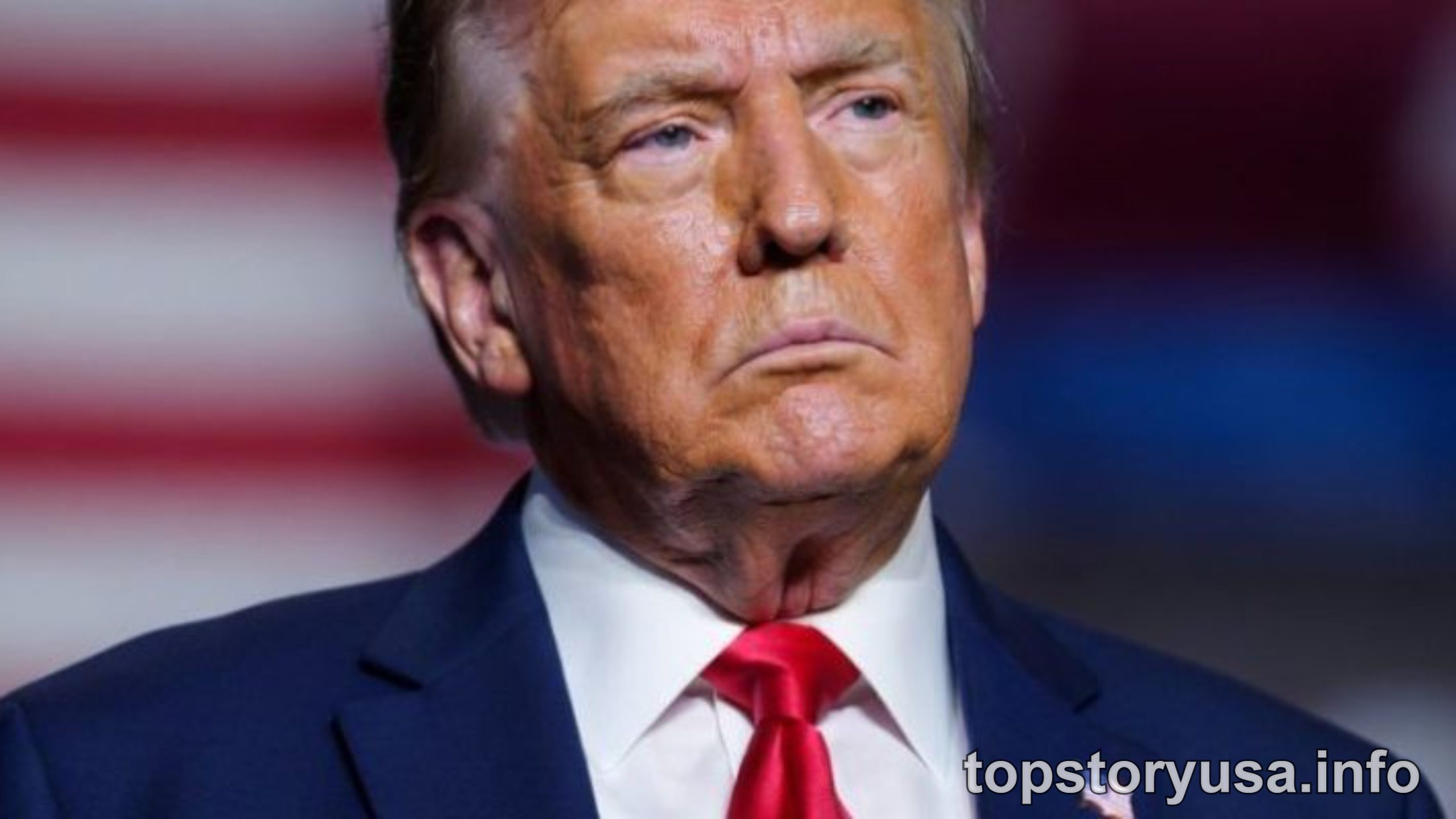
President Donald Trump signed an executive order on March 8, 2026, directing federal authorities to revoke visas and deport non-citizen students who participate in protests deemed anti-Israel.
The sweeping measure targets international students based on their campus activism while preserving First Amendment protections for U.S. citizens. The order directs federal agencies to use immigration law as enforcement, creating what critics describe as a two-tiered system on American college campuses.
What the Order Does
The directive authorizes visa revocation following determinations of “anti-Israel” activity and allows for expedited deportation, often with lifetime re-entry bans. Universities that permit such protests risk losing federal funding under the policy’s terms.
The order employs a broad definition of anti-Semitism that encompasses certain forms of Israel criticism, according to documents reviewed by CNN. International students now face a different legal standard than their American counterparts when engaging in campus demonstrations.
The Administration’s Rationale
The White House frames the policy as a protective measure for Jewish students, citing documented incidents of campus anti-Semitism since late 2023. Officials argue that some pro-Palestinian demonstrations have crossed into hate speech targeting Jewish communities.
Administration supporters contend that studying in the United States represents a privilege rather than a right, and that international students must adhere to civility standards. They view the order as addressing what they characterize as a hostile environment for a minority population.
The Opposition
Civil liberties organizations including the ACLU and Human Rights Watch have characterized the order as a significant free speech threat. Critics argue the policy conflates legitimate criticism of Israeli government policies with anti-Semitism.
Legal scholars warn the measure sets a problematic precedent for using immigration law to police political speech. They note that due process protections in immigration cases remain limited, and that political officials may wield subjective authority in determining what qualifies as “anti-Israel” activity.
Campus Impacts
University administrators face immediate pressure to adopt stricter protest policies to preserve federal funding. Some institutions have announced plans to challenge the order in federal court.
International students report increased anxiety about campus participation, with applications from certain regions declining noticeably. The chilling effect on open debate contradicts what many international applicants identify as a core appeal of American higher education.
Legal and Global Reactions
Federal courts have already received legal challenges to the order. Constitutional scholars expect cases to reach appellate levels within months, potentially establishing precedent for free speech protections on campuses.
Foreign governments and international human rights groups have condemned the policy, warning their nationals about studying in the United States. Some observers contend the order damages America’s global reputation as a leader on free expression.