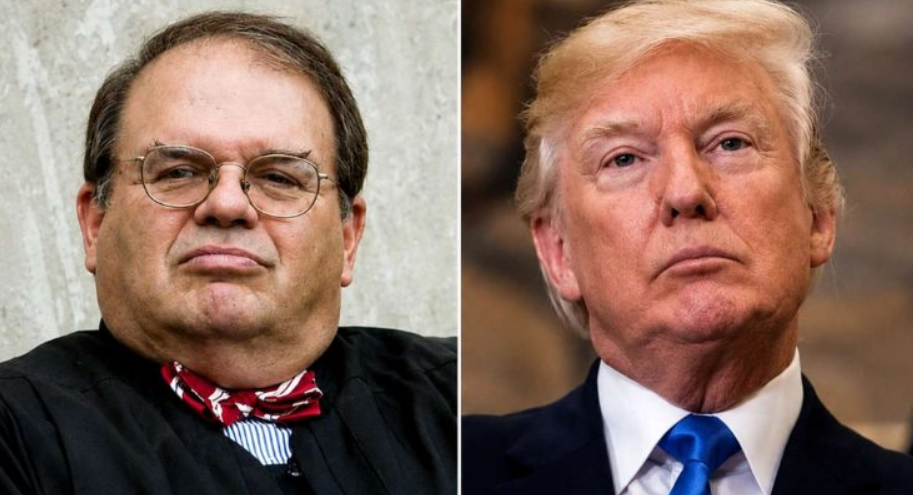
Federal Appeals Court Blocks Portions of Trump Administration’s Transgender Military Policy
A federal appeals court has ruled against key portions of a Trump administration policy that restricts military service by transgender individuals, marking another significant development in the ongoing legal debate surrounding military eligibility standards and transgender rights.
In a 2-1 decision issued Monday, the appeals court found that parts of the policy were unconstitutional and lacked sufficient justification. The ruling specifically challenged provisions affecting current service members and applicants, while allowing certain restrictions on new enlistments to remain in effect pending further legal review.
The court concluded that several aspects of the policy appeared to be directed at transgender individuals based on their gender identity rather than on military readiness or medical considerations. According to the majority opinion, the policy “appears to be driven by the bare desire to harm a politically unpopular group” and contains provisions that are “arbitrary and based on animus.”
Judges reviewing the case argued that the policy extended beyond addressing concerns related to gender dysphoria, a medical condition sometimes cited in military service regulations. The court noted that some of the restrictions applied broadly to transgender individuals regardless of their medical status or ability to meet military standards.
“The record shows that the purpose of the policy is to target applicants and service members who express what the administration believes is a ‘false gender identity,’” the majority opinion stated. The court further concluded that several disqualifications included in the policy lacked a clear explanation or reasonable justification.
The ruling represents a setback for the administration’s efforts to implement stricter rules governing transgender military service. Supporters of the policy have argued that military leadership must maintain the authority to establish standards designed to promote readiness, cohesion, and operational effectiveness. They contend that military service is not an automatic right and that the armed forces have long enforced medical, physical, and psychological requirements for enlistment and continued service.
Critics of the court’s decision argue that judges should defer more heavily to military leaders when evaluating personnel policies. They maintain that the military routinely excludes individuals based on various medical conditions or physical limitations and that decisions regarding service eligibility should remain within the discretion of defense officials.
Opponents of the policy, however, view the ruling as an important affirmation of constitutional protections and equal treatment under the law. They argue that transgender Americans who meet military requirements should not face blanket restrictions based solely on gender identity. Advocacy groups have consistently challenged such policies, claiming they unfairly target a specific group of qualified individuals.
While the court struck down portions of the policy, not all restrictions were immediately affected. The appeals panel left in place the administration’s limits on new transgender enlistments while the broader legal dispute continues through the court system.
The case is likely to remain a focal point in the national conversation over military standards, civil rights, and executive authority. With strong opinions on both sides of the debate, further appeals and additional court proceedings are widely expected.
For now, the ruling represents a significant legal challenge to the administration’s approach while leaving some elements of the policy temporarily intact as the judicial process moves forward.