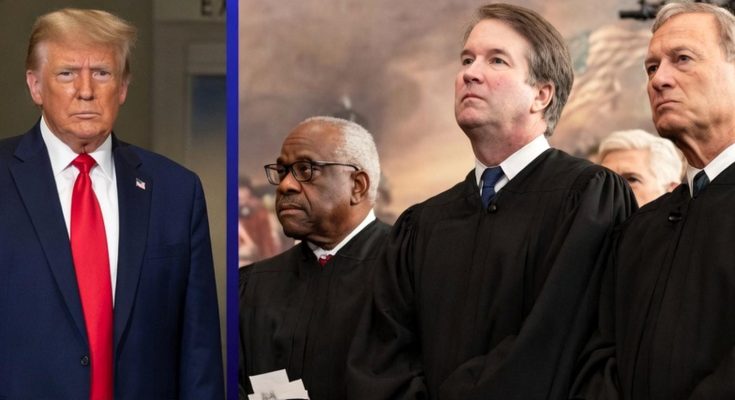
A recent ruling by the Supreme Court of the United States has allowed energy producers to move forward with a lawsuit challenging federal approval of California’s electric vehicle (EV) mandates. In a 7–2 decision, the Court determined that the companies have legal standing to sue the Environmental Protection Agency (EPA), which had previously approved California’s regulations aimed at reducing greenhouse gas emissions.
The case centers on California’s long-term climate policy, supported by Governor Gavin Newsom, which includes a plan to significantly increase the share of electric vehicles by 2035. Writing for the majority, Justice Brett Kavanaugh emphasized that businesses affected by potentially unlawful regulations must be allowed access to the courts. He noted that the EPA’s shifting legal interpretations regarding the Clean Air Act weakened its position, reinforcing the decision to let the lawsuit proceed.
Importantly, the ruling does not decide whether California’s EV mandates are legal. Instead, it focuses on whether fuel producers have the right to challenge those rules in court. The outcome keeps the broader legal battle alive and signals that federal approval of state-level environmental policies may face increased scrutiny.
The decision comes amid wider political efforts to roll back environmental regulations. Donald Trump has recently supported measures aimed at dismantling parts of California’s climate agenda. Meanwhile, EPA Administrator Lee Zeldin has indicated potential plans to reconsider the agency’s 2009 “Endangerment Finding,” which classified greenhouse gases as harmful to public health and enabled federal regulation under the Clean Air Act.
Overall, the ruling marks a significant procedural victory for energy producers and could have broader implications for environmental policy nationwide. It highlights ongoing tensions between state-led climate initiatives and federal regulatory authority, setting the stage for further legal and political battles over how the United States addresses climate change.