Donald Trump said Tuesday that Iran has offered the United States what he described as a “very significant” concession tied to global energy markets, hinting at a possible breakthrough in ongoing negotiations amid heightened regional tensions.
Speaking from the Oval Office, Trump portrayed the development as a major step forward, though he did not disclose specific details. He emphasized that the concession was not related to nuclear issues but instead involved oil and gas matters.
“They gave us a present, and it arrived today,” Trump said. “It was a very big present, worth a tremendous amount of money.” He added that the gesture was “a very nice thing they did,” suggesting it could pave the way for further progress in talks.
The president linked the move to discussions surrounding Iran’s role in global energy markets and activity near the Strait of Hormuz—a vital shipping route through which roughly 20% of the world’s traded oil passes. Recent disruptions in the area, attributed to Iranian actions, have reduced tanker traffic and contributed to volatility in global oil prices.
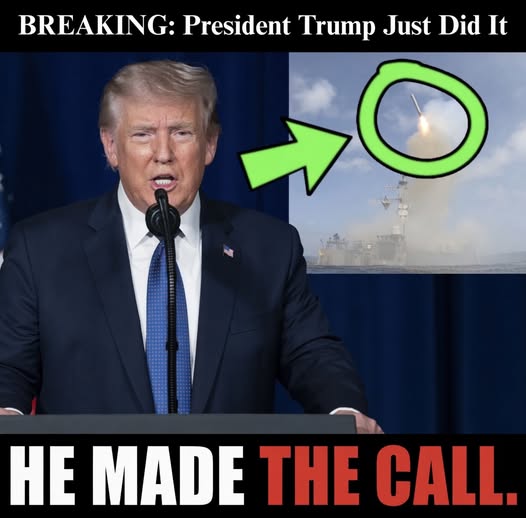
U.S. officials have reported incidents involving mines and attacks on commercial vessels, leading to a sharp decline in shipments through the corridor. In response, the administration previously issued a 48-hour ultimatum demanding that Iran restore normal shipping operations or face potential military action, including strikes on energy infrastructure.
However, Trump announced earlier this week that he would delay any military response for five days, citing “productive conversations” with Iranian representatives. The extension appears to have opened the door for renewed diplomatic efforts, with countries such as Pakistan and Egypt expressing willingness to act as intermediaries.
Despite signs of progress, Trump reiterated that any agreement would depend on one key condition: preventing Iran from obtaining nuclear weapons. He stressed that denuclearization remains the administration’s top priority.
At the same time, the U.S. has increased its military presence in the region, deploying additional naval and Marine forces in what officials describe as the largest buildup since the Iraq War. The move is intended to deter escalation while preserving leverage during negotiations.
While Trump suggested the situation may be moving toward resolution, he stopped short of confirming any formal agreement. For now, global markets and U.S. allies continue to watch closely, as developments in the Strait of Hormuz could have immediate consequences for energy prices and regional stability.