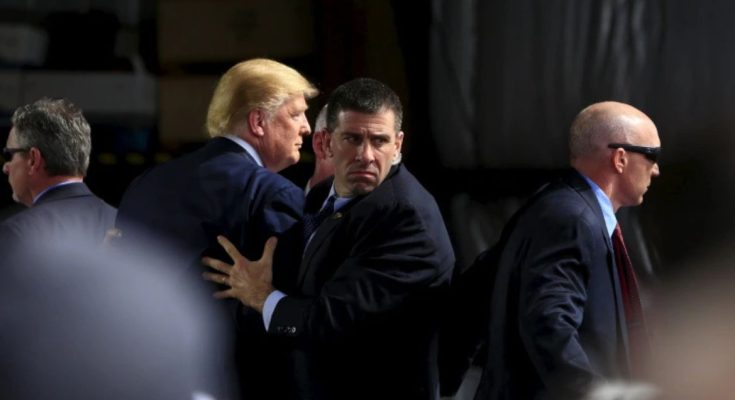
A man from Great Barrington, Massachusetts has been arrested and charged after allegedly making a series of online threats against former President Donald Trump. The case highlights the serious legal consequences of issuing violent threats, particularly toward public officials.
According to federal authorities, Andrew D. Emerald, 45, was indicted by a grand jury on eight counts of interstate transmission of threatening communications. Prosecutors allege that between May and July 2025, Emerald made multiple posts on Facebook in which he expressed intentions to harm Trump. These posts reportedly included explicit and graphic statements describing violence and threats against the former president.
Federal law treats such threats with utmost seriousness. Under statutes such as 18 U.S.C. § 875(c), transmitting threats across state lines is a felony offense. Each count can carry significant penalties, including up to five years in prison. Emerald was taken into custody and scheduled to appear in federal court in Springfield, Massachusetts.
The case serves as a reminder that statements made online—even on social media platforms—can have real-world legal consequences. Authorities monitor credible threats closely, especially when they involve current or former national leaders. Public safety agencies, including federal law enforcement, are tasked with investigating and responding to such incidents to prevent potential harm.
Beyond the legal aspects, the situation also reflects broader concerns about political discourse in the United States. In recent years, tensions have risen across the political spectrum, with increasingly heated rhetoric becoming more common in public conversations. While strong opinions and criticism are a normal part of democratic society, threats of violence cross a clear legal and ethical boundary.
Historically, the United States has emphasized peaceful political engagement, including debate, voting, and lawful protest, as the proper means of resolving disagreements. Incidents involving threats or acts of violence challenge these norms and raise concerns about the tone of national dialogue.
Ultimately, this case underscores two key points: first, that threatening public officials is a serious crime with significant consequences, and second, that maintaining civil and lawful political expression remains essential to the functioning of a democratic society.