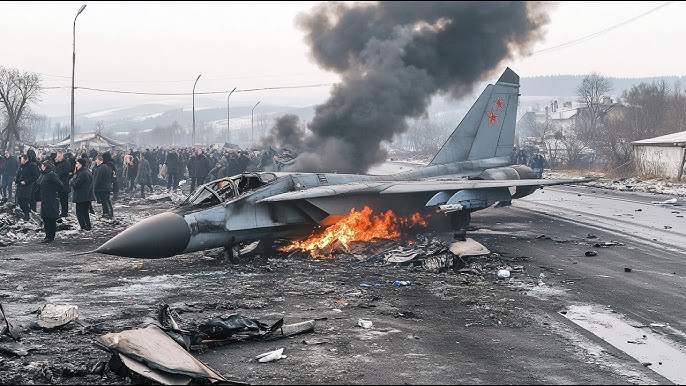
Captain Alex Mercer stood at the edge of the airbase, the cold wind cutting through his uniform. This was no ordinary mission—it marked the beginning of a new chapter in aerial warfare. Across the world, eyes were fixed on what would unfold in the skies.
Far away, Sergeant Ivan Petrov of the Russian Air Force sat in the cockpit of his MiG-29. Years of training had led him here, yet an unfamiliar sense of dread settled in. This was more than a mission; it was a moment that could alter lives far beyond the battlefield.
As engines roared, Mercer climbed into his F-16, adrenaline surging. Orders were clear: engage and dominate. Still, a quiet question lingered—what would that victory truly cost?
Both aircraft launched into the twilight, slicing through clouds toward an inevitable encounter. Petrov felt pride mixed with fear. He flew not just for duty, but for the people waiting for him back home. Mercer, focused and precise, locked onto his target as the radar signaled contact.
When they finally faced each other, time seemed to slow. The sky erupted into motion—sharp turns, evasive maneuvers, and bursts of fire. It became a deadly dance, each pilot testing the limits of skill and instinct.
Amid the chaos, something shifted. Mercer began to question the purpose of the fight. Was this about honor—or an endless cycle of destruction? At the same time, Petrov felt the same realization. The enemy before him was not just a target, but another human being carrying the same fears and hopes.
In a critical moment, Mercer hesitated. His target was locked, but his resolve wavered. Pulling the trigger suddenly felt meaningless. Petrov noticed the hesitation and made a bold decision—he broke formation, signaling disengagement instead of retaliation.
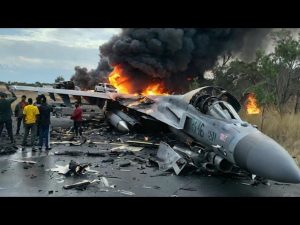
After a brief pause, Mercer followed. The battle dissolved as both aircraft veered away, leaving behind only smoke trails in the sky.
In that silent decision, they chose humanity over conflict.
Their story spread quickly, not as a tale of destruction, but of restraint and understanding. Two pilots, once enemies, became symbols of something rare—hope.
As the sun rose the next day, both men knew the world had not changed overnight. But they had taken a step, proving that even in war, the choice to stop can be the most powerful act of all.