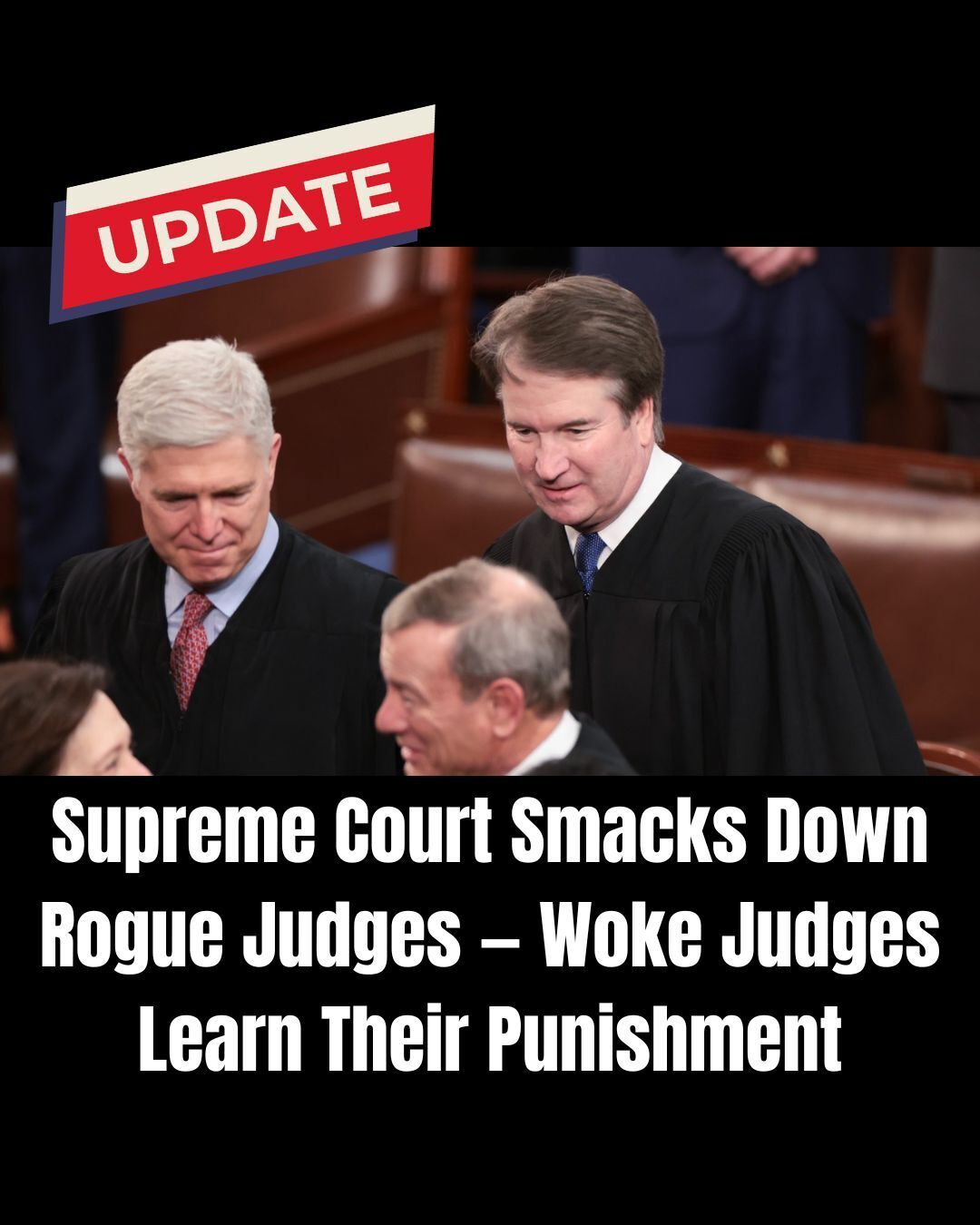
Neil Gorsuch and Brett Kavanaugh recently warned lower court judges against ignoring Supreme Court precedents, emphasizing that disagreement does not justify defiance. Their remarks came in a case involving actions taken by Donald Trump’s administration, specifically the cancellation of nearly $800 million in federal research grants.
Writing for the court, Gorsuch stressed that Supreme Court rulings must be respected, noting repeated instances where lower courts failed to follow established precedent. Kavanaugh joined the opinion, which overturned a ruling by a federal district judge who had blocked the administration’s decision.
The debate over judicial authority continued beyond the ruling. At a public event, Ketanji Brown Jackson criticized the court’s growing reliance on emergency decisions, often referred to as the “shadow docket.” She argued that resolving major disputes without full hearings or detailed opinions undermines the judicial process and may negatively affect public trust.
Jackson suggested that frequent Supreme Court intervention could influence lower courts to issue broader rulings, anticipating eventual review. She described the trend as problematic and warned it may distort how cases are handled at earlier stages.
Kavanaugh pushed back, defending the court’s role in addressing urgent legal disputes. He argued that the justices cannot ignore emergency requests, especially when lower court rulings have nationwide consequences. According to him, failing to act could allow a single judge to effectively determine federal policy.
He also noted that the increase in emergency cases reflects a broader political reality, where presidents increasingly rely on executive actions due to legislative gridlock. These actions often face immediate legal challenges, placing courts at the center of policy battles.
Kavanaugh credited John Roberts with maintaining institutional stability, while Roberts himself has rejected calls to impeach judges over disagreements, reinforcing judicial independence.