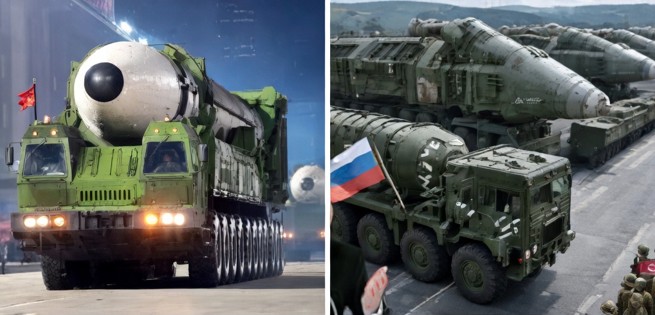
The debate over Europe’s defence readiness has intensified following the Russian invasion of Ukraine, an event that reshaped security thinking across the continent. For decades, many European nations relied heavily on diplomacy, economic cooperation, and international institutions to maintain stability. At the same time, strong transatlantic security guarantees—particularly through NATO and close cooperation with the United States—formed the backbone of Europe’s defence structure.
However, the ongoing war in Ukraine has shaken confidence in that system. The conflict has exposed vulnerabilities in Europe’s military preparedness and forced leaders to reconsider whether current defence capabilities are sufficient to deter future threats. As a result, the European Union has begun re-evaluating its long-term security strategy and military readiness.
Pressure from Washington has also played a role in this shift. American officials have repeatedly urged European allies to take greater responsibility for their own defence and invest more heavily in military capabilities. In response, EU leaders meeting in Brussels have started outlining new plans aimed at strengthening Europe’s deterrence and strategic independence.
One major step came last December when EU leaders approved a €90 billion loan package to support Ukraine as it continues to defend itself against Russian forces. The funding signals Europe’s commitment to sustaining Ukraine’s resistance while also reinforcing broader regional security.
At the same time, Ursula von der Leyen introduced a series of new defence initiatives designed to strengthen Europe’s deterrence capacity by 2030. These proposals focus on expanding defence spending, improving military coordination among EU members, and strengthening the continent’s industrial defence base.
Warnings from military and political leaders have added urgency to these efforts. Russian President Vladimir Putin recently stated that Russia is prepared to continue fighting if necessary, raising concerns about prolonged instability in the region. Meanwhile, Mark Rutte warned that Russia could potentially pose a threat to NATO territory within the next five years.
European defence leaders have echoed these concerns. German Defence Minister Boris Pistorius cautioned that Europe may have already experienced its “last summer of peace,” highlighting growing fears about future conflict. As a result, strengthening Europe’s defence readiness has become a central priority for policymakers seeking to safeguard the continent’s long-term security.