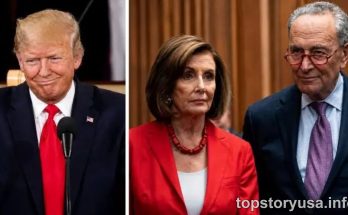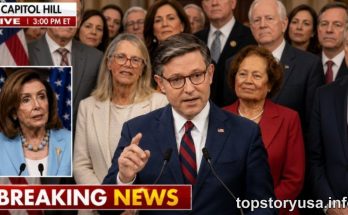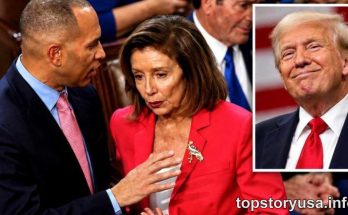
On February 24, 2026, President Donald Trump delivered what became the longest State of the Union address in U.S. history, spanning an unprecedented 108 minutes. This address marked his first in a second term and fourth overall, given before a joint session of the 119th United States Congress at the U.S. Capitol. Surpassing even President Bill Clinton’s 2000 record, the marathon speech covered a vast array of topics, from claims of America’s economic comeback and achievements in trade and tariffs to immigration enforcement and foreign policy. However, its extreme length and President Trump’s combative tone, which often targeted political opponents, drew mixed reactions, with critics labeling segments as rambling and divisive.
The speech served as a platform for Trump to frame his administration’s policy priorities and claimed successes, emphasizing domestic energy production and national security. While supporters praised the comprehensive review of his agenda, critics argued that many assertions lacked clear evidence and intensified partisan divides. Polling immediately following the event, including a CNN/SSRS poll, revealed highly polarized public opinion; although 64% of viewers rated the speech somewhat positively, only 38% held a very positive view, making it one of Trump’s least popular State of the Union addresses in modern history. Viewership also saw a significant decline, with only 27.8 million viewers tuning in, a 12% drop from the previous year.
A unique moment of the address was a light-hearted interlude focusing on First Lady Melania Trump. President Trump praised her work, particularly her involvement in the Melania Trump Foster Youth to Independence Initiative, which secured $30 million in federal funding. He playfully remarked on her ability to garner bipartisan support, stating, “She gets much better bipartisan support than I do.” Despite this claim, broader polling, such as a YouGov survey, indicated Melania Trump’s national approval rating was modest at -16, lower than Jill Biden’s and significantly behind historical First Ladies like Nancy Reagan and Michelle Obama, reflecting the deeply polarized political landscape. The 2026 State of the Union underscored persistent divisions in American politics, ensuring its place as a significant and highly debated event.