The Supreme Court ruled 8-1 Tuesday that the Federal Communications Commission can impose financial penalties on telecommunications companies without violating constitutional jury trial rights.
AT&T and Verizon challenged the FCC’s administrative enforcement process, arguing it bypassed their Seventh Amendment protections in civil cases. The ruling rejected the carriers’ claim that the agency’s framework deprived them of their right to a jury trial before facing substantial financial penalties.
The Core Dispute
The case centered on $104 million in FCC fines imposed in 2024 over allegations that AT&T and Verizon improperly handled customers’ real-time location data. The telecommunications giants contended that companies should have the right to a jury trial before penalties are imposed, rather than paying fines first and then challenging them in federal appeals courts.
The location data violations traced back to 2018, when unauthorized individuals including bounty hunters accessed the carriers’ real-time customer location information. Both companies later challenged the FCC’s enforcement process after paying the penalties.
The Court’s Decision
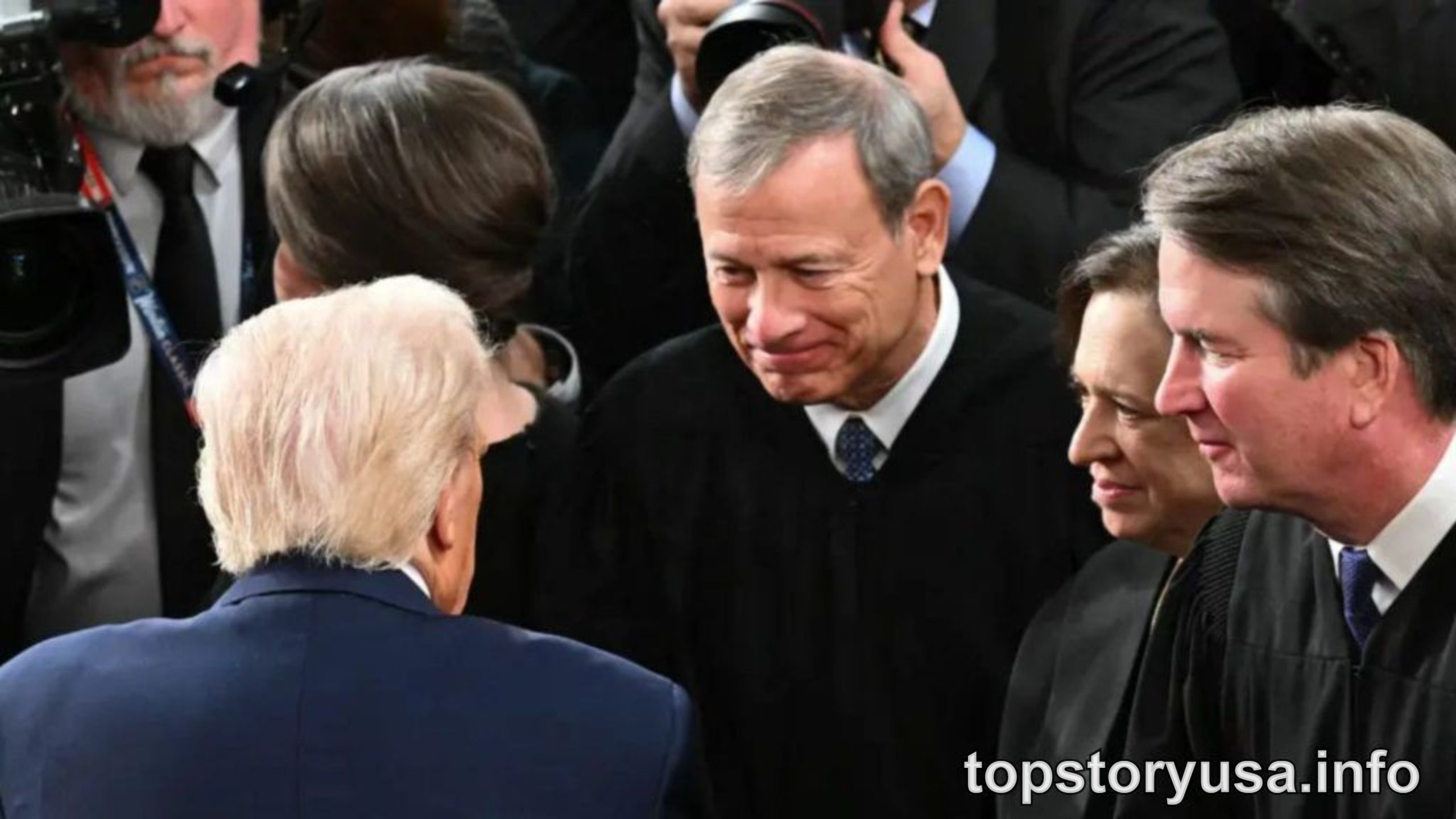
Writing for the majority, Chief Justice John Roberts concluded that companies retained access to jury trials through an alternative legal pathway. “The FCC’s penalty orders do not become legally binding until enforced in court,” the Chief Justice explained, meaning carriers could still contest the fines before a jury at that stage.
The 8-1 decision affirmed the FCC’s authority to enforce its regulations against major telecommunications providers without first obtaining jury approval for financial penalties.
What This Means
The ruling strengthens the FCC’s enforcement capabilities against telecommunications companies for privacy violations and other regulatory breaches. The decision allows the agency to proceed with administrative penalties without lengthy legal challenges based on jury trial requirements.