The Supreme Court rejected AT&T and Verizon’s challenge to Federal Communications Commission fines totaling $104 million over the improper sale of customers’ real-time location data.
The 8-1 decision Tuesday upheld the FCC’s administrative enforcement process, dismissing arguments that the penalties violated the companies’ Seventh Amendment right to a jury trial. The carriers had challenged the regulatory framework after paying the fines in 2024.
What the Justices Found
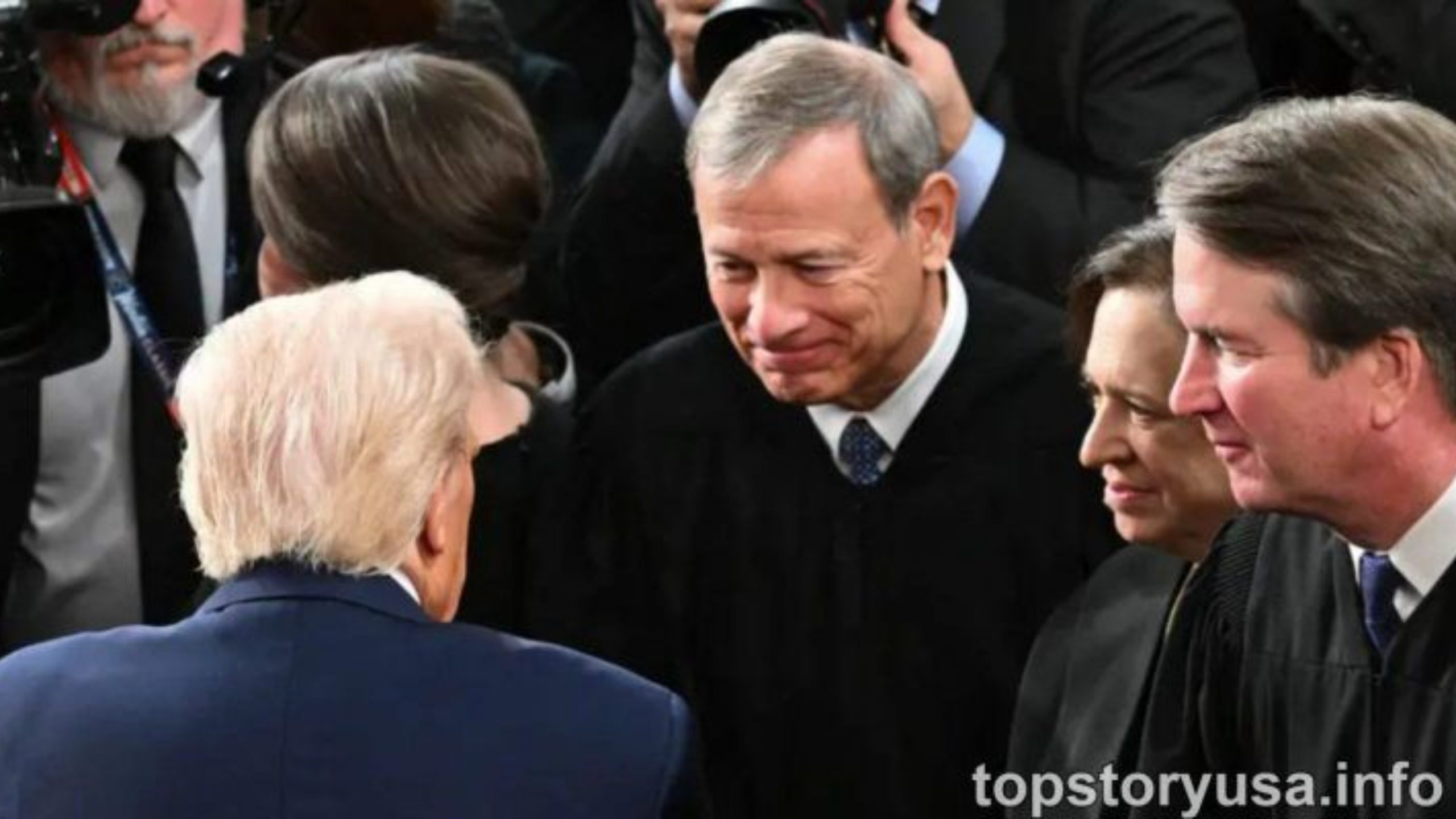
Chief Justice John Roberts wrote in the majority opinion that “companies retained access to jury trials through an alternative path,” explaining that FCC penalty orders do not become legally binding until enforced in court. The carriers could challenge the penalties in federal appeals courts before any enforcement action took place.
AT&T and Verizon contended the process deprived them of constitutional protections guaranteed in civil cases involving substantial financial penalties. The court disagreed, finding the administrative approach did not violate the Constitution.
Background on the Case
The dispute originated from privacy breaches discovered in 2018, when unauthorized parties including bounty hunters accessed the carriers’ real-time location information without customer authorization. The FCC subsequently investigated and issued penalties against both companies.
The carriers argued the FCC’s framework allowed them to pay fines and then challenge penalties in appeals courts rather than having cases decided by a jury initially.
Implications Going Forward
The Supreme Court decision preserves the FCC’s enforcement powers over telecommunications companies regarding consumer protection violations. The ruling clarifies that administrative penalties imposed by federal agencies do not automatically trigger jury trial requirements under the Constitution.
The decision affirmed the agency’s ability to protect consumers through its penalty framework without requiring jury trials at the initial enforcement stage.